









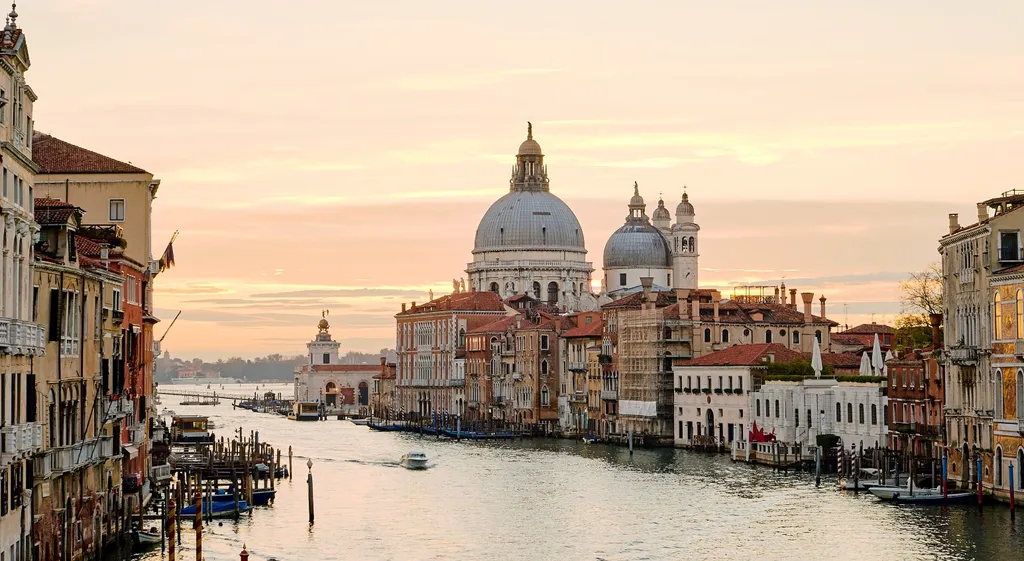
From the Colosseum to Michaelangelo's David, Italy's romantic charm captures the eyes of millions of people every year. While most people head to Italy to spend a weekend in the Cinque Terre or the fashion capital of Milan, the country offers career prospects for English teachers.
English is widely spoken in Italy, but demand for qualified teachers remains strong, particularly in business, tourism and education. Read on for The TEFL Org's guide to teaching English in Italy, from the visa requirements, salary expectations, top locations, and more.
Key Takeaways
- Italy has a high demand for English teachers, from young learners to professionals.
- Teachers generally need a TEFL certificate and a degree to teach in Italy.
- The average salary for English teachers ranges from €1,000–€2,000 ($1,160–$2,320 / £865–£1,730), while international school teachers can earn €2,000–€4,000 ($2,320–$4,640 / £1,730–£3,465).
- Teaching jobs can be found in public schools, language schools, international schools, universities, and summer camps.
- Some of the top TEFL locations in Italy include Rome, Florence, Naples, and more.
- EU citizens don't need a visa; non-EU teachers need either a National D-Visa (work visa) or a student visa to teach in Italy.
Requirements for Teaching English in Italy
Teaching jobs are available in public schools, language schools, summer camps and international schools. The qualifications you'll need depend on where you apply – here's what you can expect when it comes to the teaching requirements.
Do I need a TEFL certification to teach English in Italy?
Yes, you'll need a TEFL certificate to stand out in Italy's competitive market. Most employers expect a TEFL qualification, and while a 120-hour TEFL course is enough for most jobs, some might expect a Level 5 TEFL course which helps you develop an even broader skillset.
Here's how an accredited course will benefit your teaching career abroad:
- Develop teaching skills & confidence: A TEFL course isn't just a formality to qualify for teaching jobs around the world – you'll learn about classroom management, lesson planning, and the nuance of teaching in a non-English speaking classroom.
- Receive expert feedback: You gain access to expert feedback with a TEFL certification from an accredited provider. The TEFL Org tutors have decades of experience teaching English all over the world, and you'll become a classroom pro with their insight.
- Increase employability: A recognised TEFL qualification is something most employers look for when reviewing applications, and they'll see that you've trained with an accredited provider and learned from experienced teachers.
Can I teach English in Italy without a degree?
It's possible to teach English without a degree in Italy, but non-graduates will need to spend more time searching for jobs – especially if they're from a non-EU country.
Most employers and schools require a bachelor's degree, and while EU teachers can work and teach in Italy without a degree, non-EU teachers may struggle to find a school to sponsor their work permit if they don't meet basic requirements.
Can I teach English in Italy without experience?
Yes, you can teach English in Italy without experience. Most entry-level teachers work as a language assistant at public schools, private language schools, or summer camps in Italy. But higher paying jobs at reputable international schools require a few years of teaching experience.
Visa requirements for teaching English in Italy
As a member of the European Union, teachers with EU citizenship don't need to apply for a work visa to teach in Italy. It's as easy as becoming TEFL certified, finding a job, and booking your flights!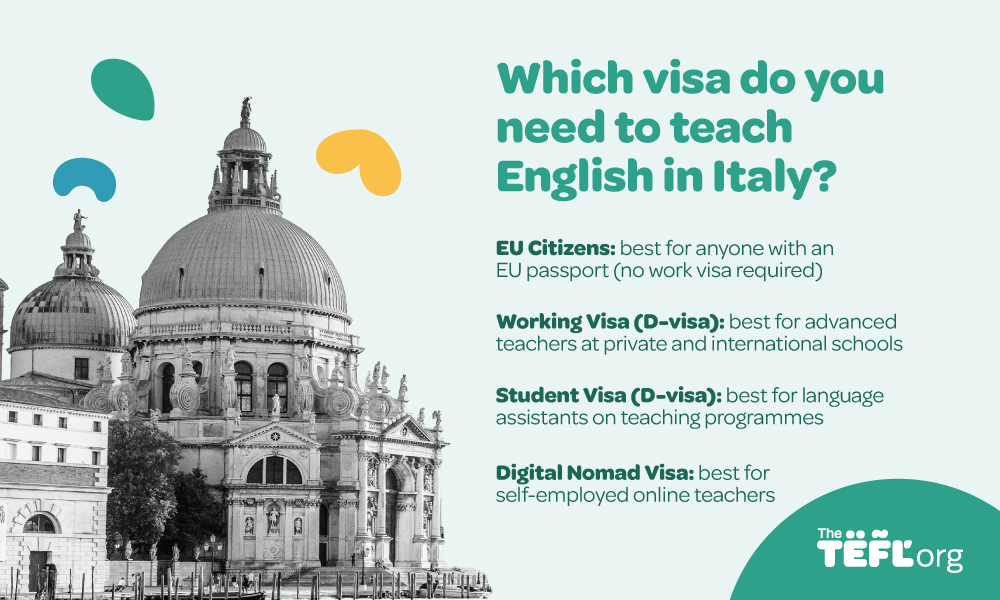
But non-EU teachers need one of the following visas to teach in Italy:
- Work visa (National D-Visa)
- Student visa (National D-Visa)
- Digital nomad visa
Work visa (D-Visa)
Teachers can get a long-stay visa – known as the National D-Visa – to teach in Italy. However, you'll need to find a private or international school that offers visa sponsorship. Here are the steps you'll need to take:
- Secure a teaching job with an Italian employer
- Apply for a Nulla Osta or entry clearance on the Italian Ministry of the Interior e-portal
- Schedule an appointment to apply for the visa
- Get a residence permit in-country within 8 days of arrival
Non-EU teachers may find it difficult to secure a work visa and work permit, as many schools are reluctant to go through the paperwork and fees to hire non-EU teachers when EU teachers are readily available. Processing time can take up to 90 days, so be sure to apply early. Teachers need the following documents:
- Completed Visa D application form
- Proof of employment with Italian employer
- Clear criminal background check
- One-way travel ticket reservation
Student visa (D-Visa)
If you're from outside the EU, one option is to teach English in Italy on a student visa. By enrolling in a part-time course at an Italian college or university, you can work up to 20 hours a week alongside your studies. Many teachers use this route to gain experience as a language assistant in public schools or private language schools.
While you can arrange this independently, many teachers choose to join a teaching programme that helps with both university enrolment and finding a teaching placement. To apply for a student visa, you'll typically need:
- Completed Visa D application form
- Clear criminal background check
- Proof of programme acceptance
- Accommodation rental agreement or at least 15/30 days of hotel reservation
- Travel/Health insurance covering €30,000 of emergency hospital and repatriation
- Proof of adequate funds – at least €500 per month
Digital nomad visa
Self-employed teachers who teach online can apply for Italy's digital nomad visa. Teachers can stay in Italy for either 90 days on a Schengen visa or 90+ days with the National D application. To qualify, you must have:
- Either a bachelor's degree, or recognised post-secondary professional qualification, or 5 years of professional experience
- Clear criminal background check
- Minimum annual income that triples the national minimum wage of €8,500 ($9,880 / £7,380)
Salary and Cost of Living
Teaching salaries in Italy vary depending on where you work, but the country's cost of living means it's possible to live comfortably in many areas. Here's what you can expect to earn and how far your salary is likely to go.
How much can you earn teaching English in Italy?
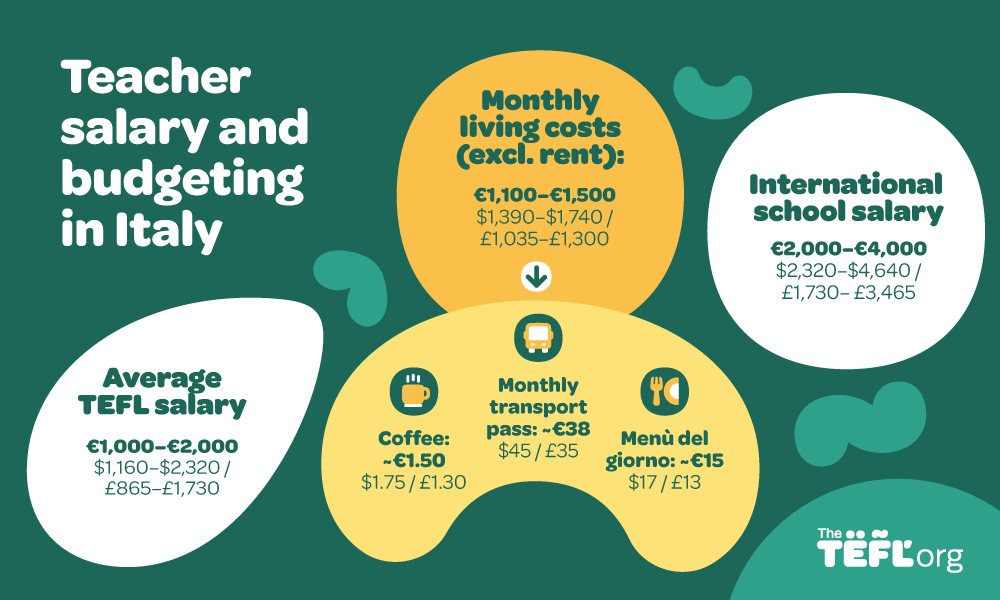
The average salary for English teachers in Italy ranges from €1,000–€2,000 ($1,160–$2,320 / £865–£1,730) per month, but this depends on your experience, qualifications, and teaching job.
Most full-time teachers at private language schools earn between €1,000–€2,000 per month, while language assistants on student visas usually earn less because they work part-time.
International school teachers earn the highest salaries at around €2,000–€4,000 ($2,320–$4,640 / £1,730–£3,465) but require advanced qualifications such as a master's, teaching licence, and years of teaching experience.
How much does it cost to live in Italy?
Italy is an affordable country, but only if you're mindful of where you're living and what you spend your money on. The cost of living varies, but the national average ranges between €700–€900 ($810–$1,045 / £605–£780) per month excluding rent. Rent for a 1-bed apartment averages at €570–€730 ($660–$845 / £490–£980), but is higher in cities like Milan, Florence, and Verona, for example.
If you're mindful about savings, read our budgeting tips for English teachers in Italy:
- Consider smaller cities: Don't rule out smaller cities! While rent for a 1-bed apartment in the fashion capital, Milan, ranges between €1,000–€1,500 ($1,160–$1,740 / £865–£1,300), it sits at around €600–€950 in cities like Naples, Bologna, or Turin.
- Live outside the centre: Living outside the city centre will also save you plenty of money in the long run, up to €300 ($350 / £260) per month.
- Use public transport: You can travel around Italy easily with its high-speed trains, extensive bus networks, and subway systems, and monthly transport passes cost around €38 ($45 / £35).
- Share housing with others: By living with other teachers and expats, you can cut costs and meet people. Instead of paying an average of €650 ($755 / £565) by yourself, a 3-bed apartment costs around €365 ($425 / £315) per person per month.
- Drink your coffee at the bar: If you order an espresso, it's cheaper to stand and sip rather than sitting at the table, al banco style. Not only is it an Italian tradition, but you'll save up to 50%, spending around €1.50 for your invigorating coffee.
- Choose menù del giorno: Lunchtime meals are cheaper than evening meals; when eating out, look out for eateries that offer menù del giorno – the lunch of the day that offers a main pasta dish, second course, water and wine for €15 ($17 / £13).
| Restaurants | EUR | USD | GBP |
|---|---|---|---|
| Inexpensive restaurant meal | |||
| Domestic beer (0.5 litre) | |||
| Regular cappuccino | |||
| Water (0.33 litre) | |||
| Markets | EUR | USD | GBP |
| Regular milk (1 litre) | |||
| Loaf of white bread | |||
| Regular eggs (1 dozen) | |||
| Apples (1 kg) | |||
| Transportation | EUR | USD | GBP |
| One-way ticket (local transport) | |||
| Monthly pass (regular price) | |||
| Taxi start (normal tariff) | |||
| Gasoline (1 litre) | |||
| Utilities | EUR | USD | GBP |
| Electricity, heating, cooling, water, and garbage (for a regular apartment) | |||
| Regular prepaid monthly mobile tariff with 10GB+ data | |||
| Internet (60 Mbps, unlimited data, cable/ADSL) | |||
| Clothing and shoes | EUR | USD | GBP |
| Pair of jeans (Levis 501 or something similar) | |||
| Summer dress in a chain store | |||
| Nike running shoes (mid-range) | |||
| Men's leather business shoes |
English Teaching Jobs in Italy
With a high demand for English speakers, teaching positions come in different Italian schools. From long-term contracts at private and international schools to summer stints, the perfect English teaching job in Italy depends on your experience, ambition, and teaching style.
Public schools
Most public school teaching jobs in Italy go to qualified EU citizens who speak Italian, making them less accessible for TEFL teachers. However, some language assistant programmes place teachers in primary and secondary schools provided that they have a B1-level Italian.
What to expect at public schools in Italy:
- Language assistant roles, supporting an Italian teacher
- 10–20 working hours, lower salaries
- Entry-level friendly through English teaching programmes
Private language schools
Working at a private language school is the most common route for English teachers in Italy. Most of these students are studying English for specific purposes, whether that be studying abroad or working at international companies. As a result, English subjects range from IELTS exam preparation to teenagers, business English to adult professionals, and more.
What to expect at private language schools in Italy:
- Evening and weekend work
- Teaching young learners, teenagers, and adults
- Varied subjects, from general English, exam preparation, and business English
- Year-round hiring, entry-level friendly, competitive salaries based on experience and qualifications
International schools
Most international schools can be found in major cities like Rome, Naples, and Milan. These schools offer British, American, or IB curricula, for both Italian students and international students from expat families. While classroom facilities, salaries, and benefits are excellent, the requirements and responsibilities are also high. Schools may also hire teachers for teaching English in special subjects such as science, maths, art, or P.E.
What to expect at international schools in Italy:
- Monday to Friday schedule
- Teaching local and international students from an international curriculum
- Excellent salary, benefits, and classroom facilities
- High requirements; master's degree, TEFL or teaching licence, and years of experience
Summer camps
English summer camps run across Italy, including Rome, Sicily, and Sardinia, offering short-term teaching contracts during the summer break. As a teacher at a summer camp, you'll lead and support informal and active-based learning activities, team-building, arts and craft, and more. TEFL certificates are often accepted in place of a degree, making camps a good entry point for new teachers.
What to expect at summer camps in Italy:
- Leading team-building and adventure activities rather than traditional lessons
- Short-term contracts teaching young learners and teenagers
- Stipend of around €250 per week and benefits such as accommodation (shared or with an Italian host family), meals, and transport
Private tutoring
Private tutoring is a common way for English teachers to supplement their income beyond their teaching schedule. Teachers can charge €25 ($29 / £22) per hour – or more – depending on their experience, qualifications, and students. Demand comes from professionals, university students, and workers in tourism and hospitality, making it a popular income booster.
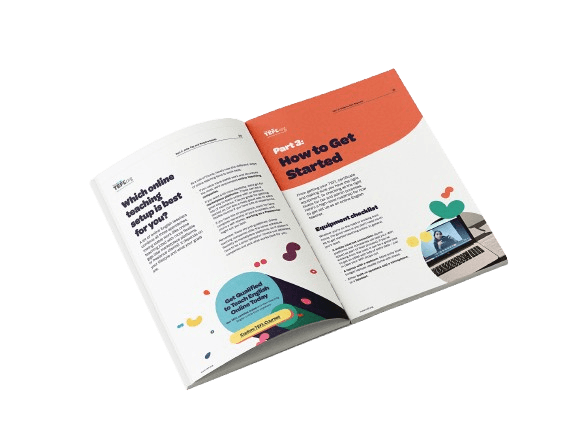
Download our guide to teaching English in Europe
Find out how teaching English in Italy compares to other European countries.
Teaching English in Major Cities
Italy is famed for its historic cities, scenic wine country, and sapphire-esque coastline. Here are some of the best places to teach English in Italy.
Teach English in Rome

From the Roman Colosseum, Trevi Fountain, to the Vatican City, Rome is a world-renowned city that attracts millions of people every year. Almost 3,000 years old, you'll be engulfed in history, art, and character wherever you are in The Eternal City.
While people flock to Rome to surround themselves with Catholic history, ancient architecture, and world-class food, Rome also offers a busy teaching market. It may be competitive due to the fact that so many want to live here, but teachers can find plenty of jobs in summer camps, private language schools, and international schools.
Outside the classroom, you'll never be bored in Rome. After you've ticked off the go-to attractions from your list, navigate quieter neighbourhoods like Testaccio, stroll through Villa Borghese or grab a riverside coffee to start your weekend.
Read more: Teach English in Rome
Teach English in Florence

Home to Michaelangelo's David and the birth of the Renaissance movement, Florence is packed with historical relics, art and culture. While it tops many people's travel itineraries, it's also an intellectual hub that promises professional development.
With plenty of language schools, international schools, research institutions, and universities, teachers can find a thriving TEFL market in the Tuscan capital.
When you're not teaching, relish in the city's countless art and sculptures, stroll through the Piazza della Signoria or sip wine alongside the river Arno. If you want a day-trip, consider a vineyard tour or take the train to Italy's food capital, Bologna.
Teach English in Naples

While Napoli doesn't attract as many visitors as Rome, Florence, or Venice, it's still steeped in tradition and awe-inspiring landscapes. From the top of Mount Vesuvius and the lively streets of Spaccanapoli to the birthplace of pizza, Napoli promises a clear glimpse into Italian heritage for TEFL teachers.
Much like other Italian cities, there's a busy TEFL market in Naples. Teaching job opportunities come in the form of language assistant teaching at public and private schools, or higher-responsibility roles at language academies and international schools.
When your schedule allows it, you can choose between heart-pumping activities like hiking up Mount Vesuvius to leisurely evenings indulging in woodfired Neapolitan pizzas. If you want to gain insight into the region's history, visit the National Archaeological Museum or the sobering site of Pompeii.
Still not sure? Check out TEFL teacher Claudia's guide to the top cities in Italy!
TEFL Org Teacher Story
Want on the ground insight? Read about Kathleen's summer camp experience in Rome.
Kathleen in Rome, Italy
A typical day at camp runs from 9am to 4.30pm. You're expected to arrive early, around 8.30am, to greet parents and children and to set up for the day ahead. There's time in the evening to plan your upcoming lessons which will involve collaborating with the other tutors at your camp.Although I didn't receive the typical arrangements (as I was living with nuns!). I was completely immersed in Italian culture. I was located about 30 minutes away from Rome's city centre, and managed to visit all the major sites at the weekend, such as Vatican City, The Colosseum and Roman Forum. I thoroughly enjoyed learning and working in a multicultural environment and making new friends with people from all over the world.
Ready to Teach English as a Foreign Language?
Don't forget your TEFL certificate! While you may think that the TEFL course is a 'necessary evil' to secure a job teaching English, it's an essential step to your development as a teacher.
It's true that this teaching qualification will open doors to TEFL jobs in Italy and across the world, but it does so much more than that. In the process of becoming TEFL certified, you're improving your knowledge and confidence when it comes to managing large classrooms, preparing lessons, and teaching the English language to foreign students.
Become TEFL certified today to feel confident and proficient in the classroom wherever you go.
Frequently Asked Questions
Q. How much do English teachers make in Italy?
English teachers make an average of €1,000–€2,000 ($1,160–$2,320 / £865–£1,730) per month. While this is the typical salary for assistant language teachers and private language centre teachers, those who work at international schools can earn around €2,000–€4,000 ($2,320–$4,640 / £1,730–£3,465).
Q. What qualifications do you need to teach English in Italy?
Generally, teachers need a TEFL certificate and a bachelor's degree to teach English in Italy. Requirements vary from one position to another, and it's possible to teach without a degree or native English proficiency, but this is tricky without EU citizenship.
Q. Can I teach English in Italy without knowing Italian?
Yes, you can teach English in Italy without speaking the Italian language. However, learning basic Italian phrases will increase your cultural immersion outside the classroom.
Q. Are English teachers in demand in Italy?
Yes, English teachers are in demand in Italy. With a huge tourist sector and a top European economy, the country needs an English speaking workforce to drive its success on the international stage.
Q. Can I teach English in Italy as a non-native speaker?
Yes, you can teach English in Italy as a non-native speaker with a TEFL, EU citizenship, and proof of English fluency (such as an IELTS or CEFR certificate, or education at an English-speaking university).