




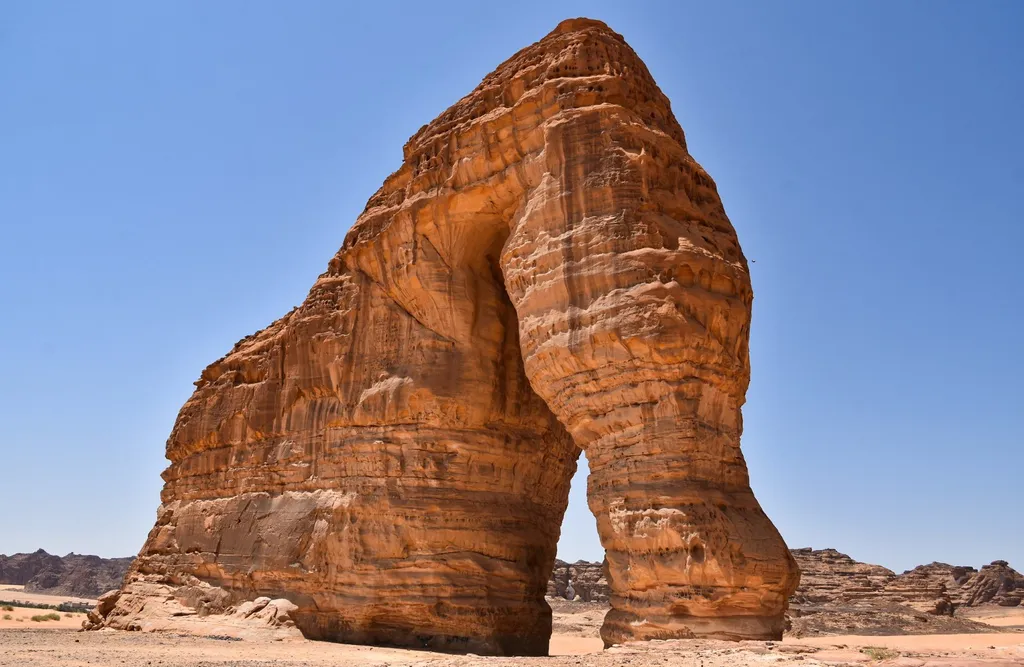
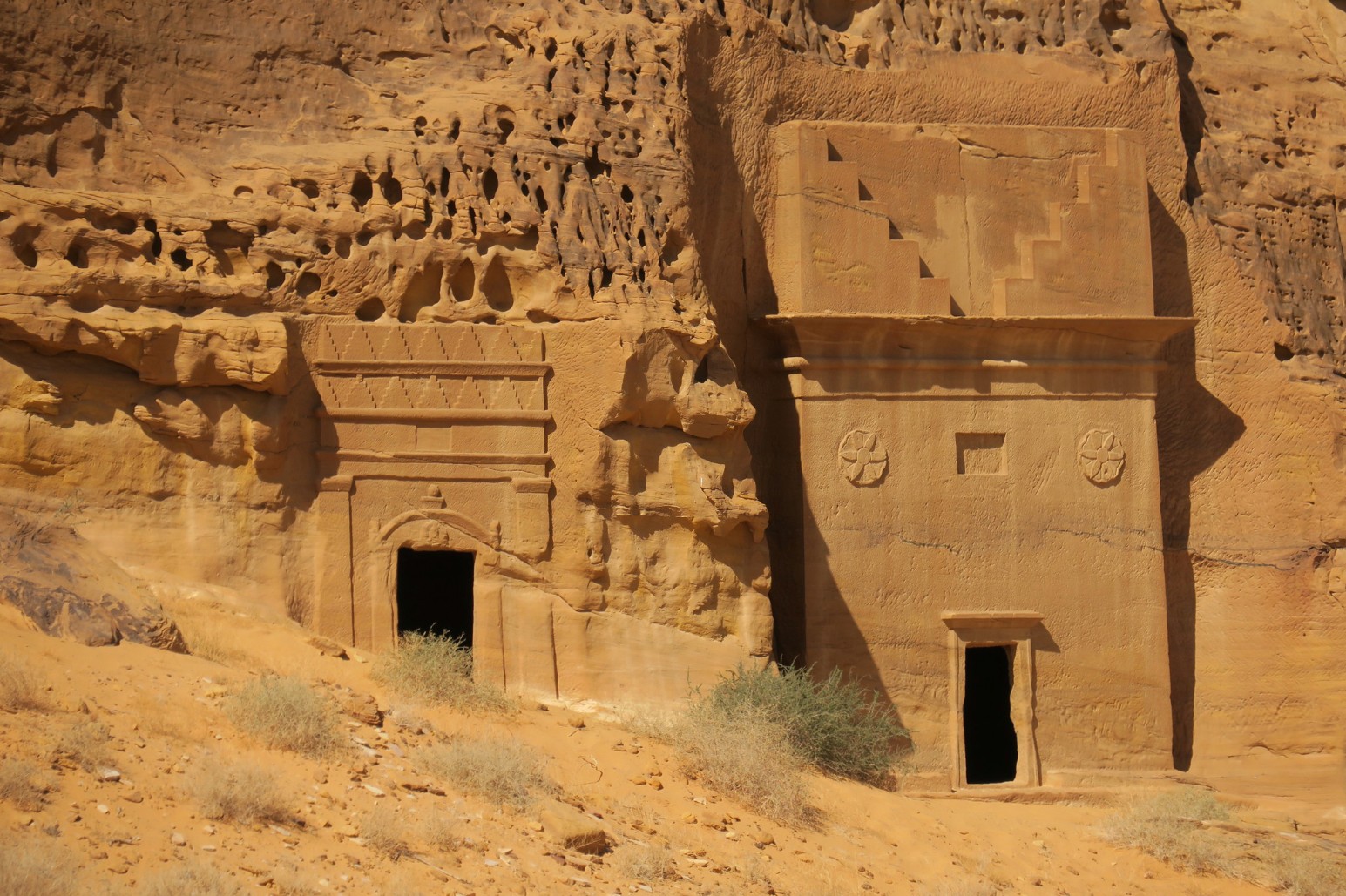
From the birthplace of Islam, Nabatean tombs to cliffsides that resemble the Edge of the World, Saudi Arabia gives plenty of reasons to visit. And with an enormous oil industry boosting international businesses and a growing expat community, English teachers are in high demand in the Middle East.
It’s also a conservative country that might not suit everyone’s taste, but if you overcome the initial culture shock, Saudi Arabia offers a lucrative opportunity for TEFL teachers. Read on for The TEFL Org’s guide to teaching English in Saudi Arabia, from the requirements, salary expectations, visa process, and more.
Key Takeaways
- Saudi Arabia has a high demand for English teachers due to an enormous business and growing tourist sector.
- Requirements are higher than in most TEFL destinations. Teachers need a university degree, Level 5 TEFL certificate or teaching licence, and teaching experience is highly preferred.
- Saudi Arabia has a very conservative culture; bear in mind the rules around dress, alcohol, public behaviour and relationships before moving.
- Saudi Arabia is one of the highest paying TEFL locations in the world; English teachers can earn between SAR 8,000–18,000 ($2,130–$4,780 / £1,560–£3,505) per month.
- Riyadh and Jeddah offer the biggest choice of teaching jobs.
- Teachers need an employer-sponsored visa to work in Saudi Arabia, so they need to find a job before arriving.
Requirements for Teaching English in Saudi Arabia
With initiatives like Vision 2030, English education is a huge priority in Saudi Arabia. Updates to the national curriculum mean that students now learn English from the earliest primary school grade.
This can mean two things when it comes to teaching requirements: Saudi Arabia has a huge demand for English teachers, but it also takes its education seriously.
So while there’s a high demand, the teaching requirements are high.
Do I need a TEFL certificate to teach English in Saudi Arabia?
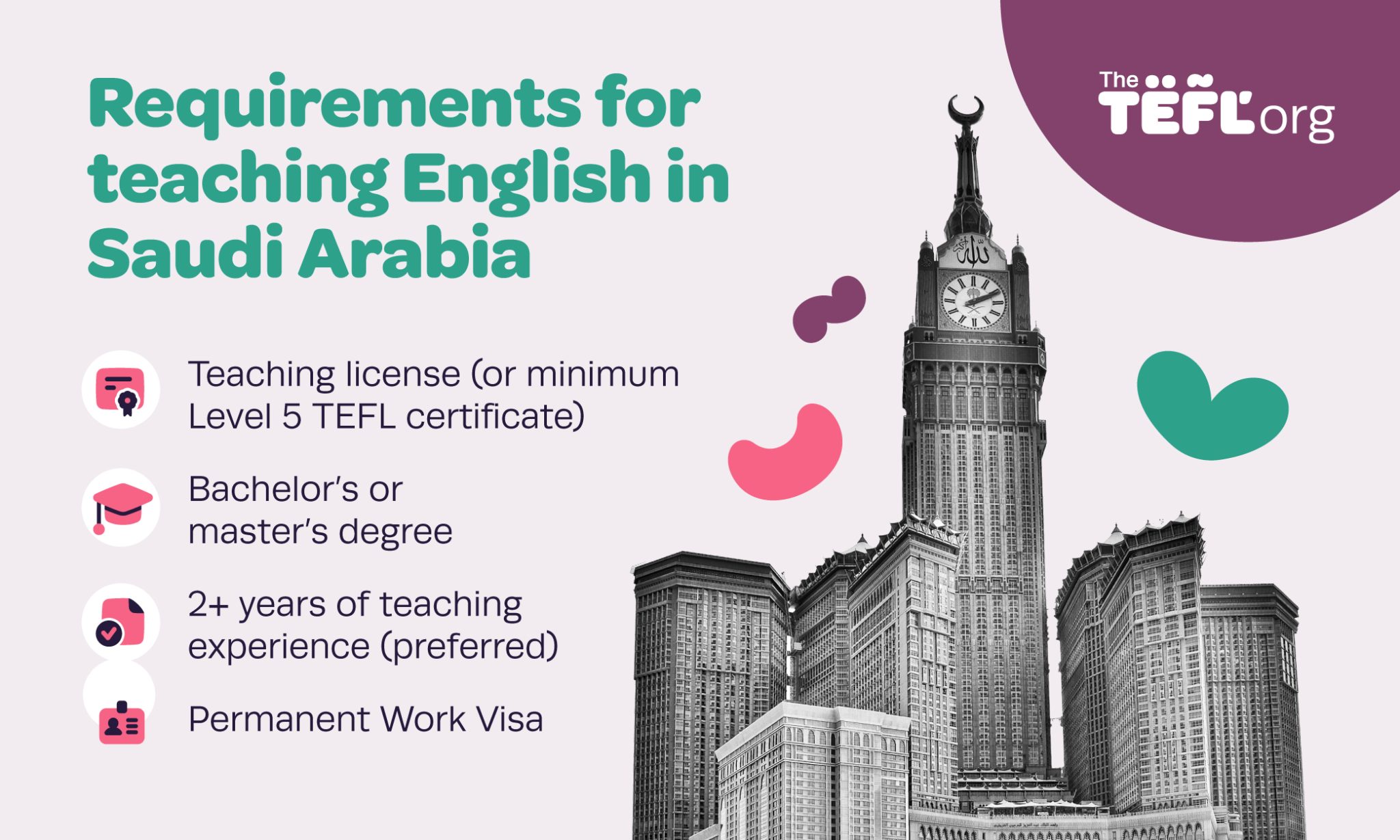
Yes, you need a TEFL certificate or another form of training to teach English in Saudi Arabia. While a 120-hour TEFL certificate is enough for entry-level roles in most countries, Saudi employers look for higher qualifications.
Some jobs specifically ask for a teaching licence or a postgraduate teaching qualification, while others accept an ESL or TEFL certificate equivalent. In some cases, a Level 5 TEFL course is accepted for teaching jobs in Saudi Arabia. Other employers might require a TEFL course that was done in-person, not online.
Tip: Many Saudi companies are investing in Business English courses for their employees. Specialising in this subject can increase your career prospects and salary in the Gulf.
Can I teach English without a degree in Saudi Arabia?
It’s a legal requirement for teachers to have a bachelor’s degree (regardless of the school type), so there’s no way around it. But don’t worry, you can still teach English abroad without a degree and earn a salary in other countries across the world.
Do I need teaching experience to teach in Saudi Arabia?
It’s not impossible to teach English without experience in Saudi Arabia as long as you have the right qualifications, but Saudi Arabia isn’t an entry-level friendly market.
Most schools prefer teachers who have 2–3+ years of experience, especially at public schools, universities, or international schools. You might be able to find a teaching job at a private language school, but salaries will be lower.
Can I teach in Saudi Arabia as a non-native speaker?
Not having a passport from an English-speaking country won’t always hold you back from teaching in Saudi Arabia, but many employers prefer native English speakers from countries like the USA, UK, Canada, Ireland, Australia, New Zealand and South Africa.
But as long as you’ve got proof of your near-native English proficiency (through an English-taught degree or a language certificate like IELTS, TOEFL, or CEFR), experience, and the right teaching qualifications, it’s possible to teach English as a non-native speaker in Saudi Arabia.
Important: It’s important to understand the cultural etiquette before you decide to teach in Saudi Arabia:
- Women need to cover their knees and shoulders or wear an abaya (a cloak covering the whole body) in public.
- Public displays of affection and homosexuality are illegal.
- Alcohol and pork products are forbidden.
- Some public areas forbid people from taking videos or pictures.
Visa requirements for teaching English in Saudi Arabia
You’ll need the right visa to be a legal resident in Saudi Arabia. But you can’t get the Permanent Work Visa until you find a teaching job.
After you’ve found a job and signed the contract, your Saudi employer will sponsor your work visa and work permit for you. Your employer will start the process by applying for you, but you’ll also need to submit the following through the KSA Visa portal or Saudi embassy or consulate:- Proof of visa approval number issued by the Saudi Ministry of Foreign Affairs (MOFA)
- Signed job contract with Saudi employer
- Clear criminal background check
- Proof of academic and professional qualifications
- Health check and insurance
Tip: Your passport will be held by your employer while you get your muqeem (identity card), and if you want to leave the country, you’ll have to apply for an exit visa (which might not necessarily be granted).
Download our guide to teaching English in the Middle East & Africa
Everything you need to know about teaching English in the Middle East and Africa
Salary and Cost of Living
Saudi Arabia is one of the highest paying TEFL locations in the world, but it doesn’t mean much if you don’t know what the cost of living is like. Here’s everything you need to know about how much you’ll earn, spend, and save as a teacher in the Gulf.
How much can you earn teaching English in Saudi Arabia?
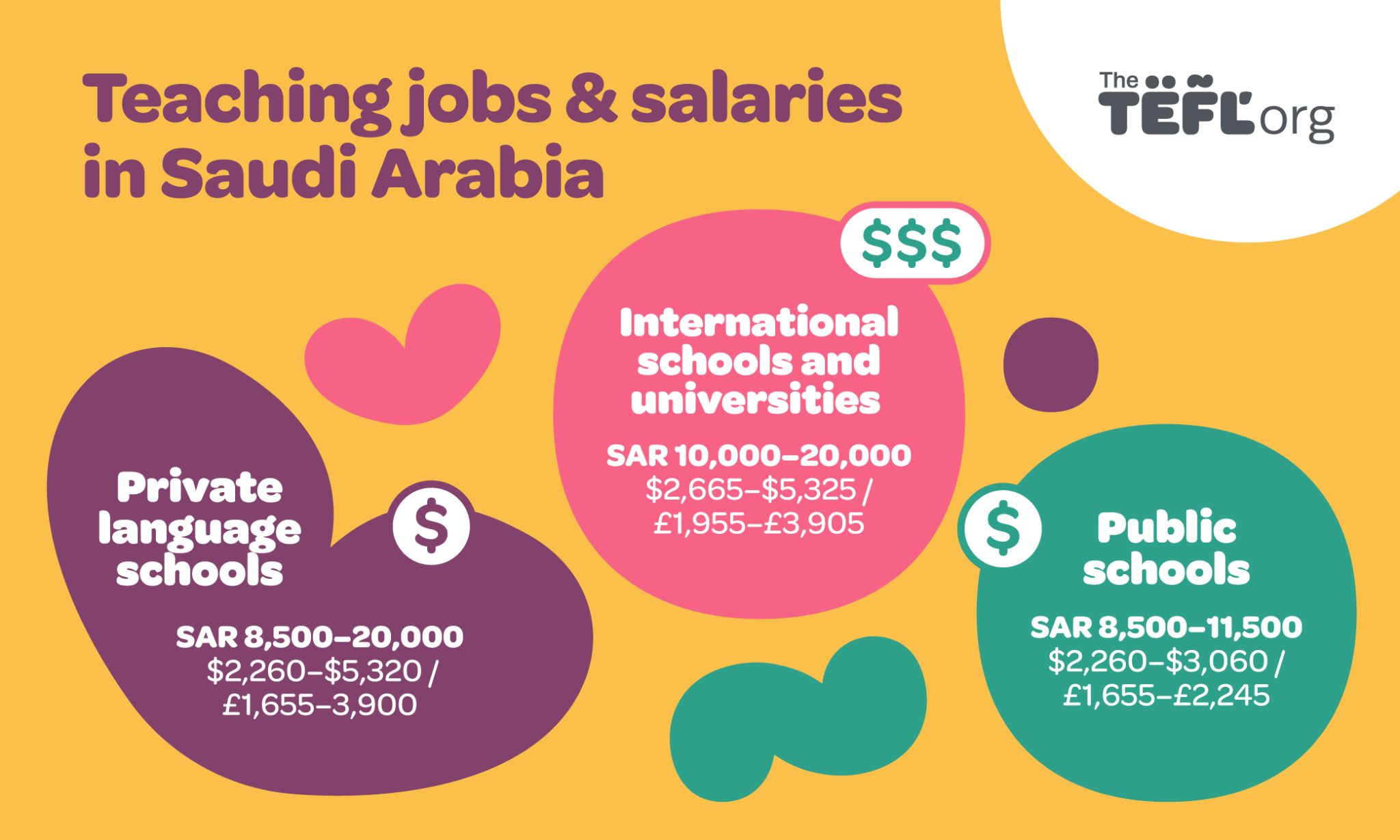
Saudi Arabia offers one of the most lucrative teaching opportunities alongside other Gulf countries like the UAE and Qatar. The average salary for EFL teachers in Saudi Arabia ranges from SAR 8,000–18,000 ($2,130–$4,780 / £1,560–£3,505) per month. Beyond that, some jobs also offer benefits like a housing allowance or free accommodation, which can cut your living costs.
But your experience and teaching job will play a massive part in your salary.
- Public schools: The average salary for public school teachers in Saudi Arabia hovers at around SAR 8,500–11,500 ($2,260–$3,060 / £1,655–£2,245) per month.
- Private language schools: Private language schools might vary in their salary packages depending on the course. Entry-level roles offer around SAR 8,500 ($2,260 / £1,655), while corporate English teachers working at large companies can earn up to SAR 20,000 ($5,320 / £3,900) per month.
- International schools: International schools typically offer excellent salaries and benefits, with teachers earning around SAR 10,000–20,000 ($2,665–$5,325 / £1,955–£3,905) per month.
- Universities: University professors earn excellent salaries, starting at around SAR 10,000–20,000 ($2,665–$5,325 / £1,955–£3,905) and increasing significantly for senior university professors.
How much does it cost to live in Saudi Arabia?
Living costs in Saudi Arabia are around 30–40% lower than western countries like the US or UK, even despite its high salary.
A single person spends around SAR 5,165 ($1,375 / £1,010) per month living in Saudi Arabia, including food, rent, entertainment, and other expenses. But if you’re living in a popular spot like Riyadh, this can increase to around SAR 7,630 ($2,030 / £1,490) per month.| Restaurants | SAR | USD | GBP |
|---|---|---|---|
| Inexpensive restaurant meal | |||
| Domestic beer (0.5 litre) | |||
| Regular cappuccino | |||
| Water (0.33 litre) | |||
| Markets | SAR | USD | GBP |
| Regular milk (1 litre) | |||
| Loaf of white bread | |||
| Regular eggs (1 dozen) | |||
| Apples (1 kg) | |||
| Transportation | SAR | USD | GBP |
| One-way ticket (local transport) | |||
| Monthly pass (regular price) | |||
| Taxi start (normal tariff) | |||
| Gasoline (1 litre) | |||
| Utilities | SAR | USD | GBP |
| Electricity, heating, cooling, water, and garbage (for a regular apartment) | |||
| Regular prepaid monthly mobile tariff with 10GB+ data | |||
| Internet (60 Mbps, unlimited data, cable/ADSL) | |||
| Clothing and shoes | SAR | USD | GBP |
| Pair of jeans (Levis 501 or something similar) | |||
| Summer dress in a chain store | |||
| Nike running shoes (mid-range) | |||
| Men's leather business shoes |
So while the teaching salaries are high, you’ll need to be mindful of your budgeting (especially if you don’t receive benefits like free accommodation).
- Look beyond Riyadh: Teaching positions in Riyadh might offer some of the highest salaries, but that doesn’t mean you’ll save more. Other locations like Jeddah, Mecca, Medina, and more offer teaching positions and lower costs of living.
- Live outside the centre: A 1-bed apartment in the city centre of Riyadh, for example, is around SAR 1,200 ($320 / £235) more expensive than living outside the centre.
- Look at job benefits: Don’t blindly accept the first job just because it has a high salary — consider jobs that also offer benefits like free accommodation that could be worth more in the long run.
- Use public transport: A monthly transport pass in Saudi Arabia costs around SAR 140–200 ($37–$53 / £27–£39), with the Riyadh metro, Jeddah metro, and the Sacred Sites Metro Line in Mecca being particularly useful to get around.
English Teaching Jobs in Saudi Arabia
Teachers can find jobs in public and private schools in Saudi Arabia, but teachers will find most luck with private school teaching jobs, either at international schools, language schools, or specific universities.
Your working week will usually be between 20–30 hours of teaching, and the weekend is Friday to Saturday, so you can expect to work these hours if you follow a typical school curriculum. And despite the warm climate, you’ll be living and working in air-conditioned surroundings.
You can find most jobs by browsing job boards like The TEFL Org Jobs Centre or other platforms.
Public schools
As a teacher at a public school in Saudi Arabia, you’ll follow the national curriculum which treats English as a core subject. Many schools are gender-segregated, so you’re likely to teach students of the same sex. The school year typically goes from late August to late June, and the education system recently moved away from a three-semester year to two semesters.What to expect at public schools in Saudi Arabia:
- Working from Sunday to Thursday
- Teaching at gender-segregated schools
- Following the national curriculum
Private language schools
Private language schools (or language centres) vary in their courses, salaries, and teaching environments. Depending on the school, you might be teaching young learners academic English after school. Other courses include teaching English to workers in the Saudi oil industry and military (like the air force). Generally, these schools are catered to students learning English for a specific purpose, rather than just general English.
What to expect at private language schools in Saudi Arabia:
- ESP (English for Specific Purposes) subjects
- Wide range of student ages
- Evening or weekend classes
International schools
International schools are catered to students learning English as the main language from an American, British, or IB curriculum. It’s not always the case, but most students at these schools are international students. As a private school with high tuition fees, these schools offer excellent classroom facilities and teacher benefits, but requirements and expectations are very high.
What to expect at international schools in Saudi Arabia:
- Mainly teaching international students
- Following an American, British, or IB curriculum
- Excellent teacher salaries and benefits, but high expectations
- Teachers generally need a master’s degree, teaching licence, and years of experience
Universities
With many English-taught university programmes in Saudi Arabia, there are plenty of university jobs for qualified teachers. Many students undergo a preparatory course or year programme (also known as a foundation course) in English before they start university or postgraduate degrees.
What to expect at universities in Saudi Arabia:
- Academic research, career guidance, mentorship
- More time spent on planning and research
- Teaching specific fields in English (e.g. STEM, medicine, business)
Teaching English in Major Cities
From the Persian Gulf to the Red Sea, there are plenty of cities for English teachers to consider in Saudi Arabia. Whether you’re after the best salaries in busy cities or a more laid-back atmosphere, here are the top locations to consider.
Coastal cities such as Jeddah still have high temperatures in the middle of winter, though central locations like Riyadh have more variation.
Teach English in Riyadh
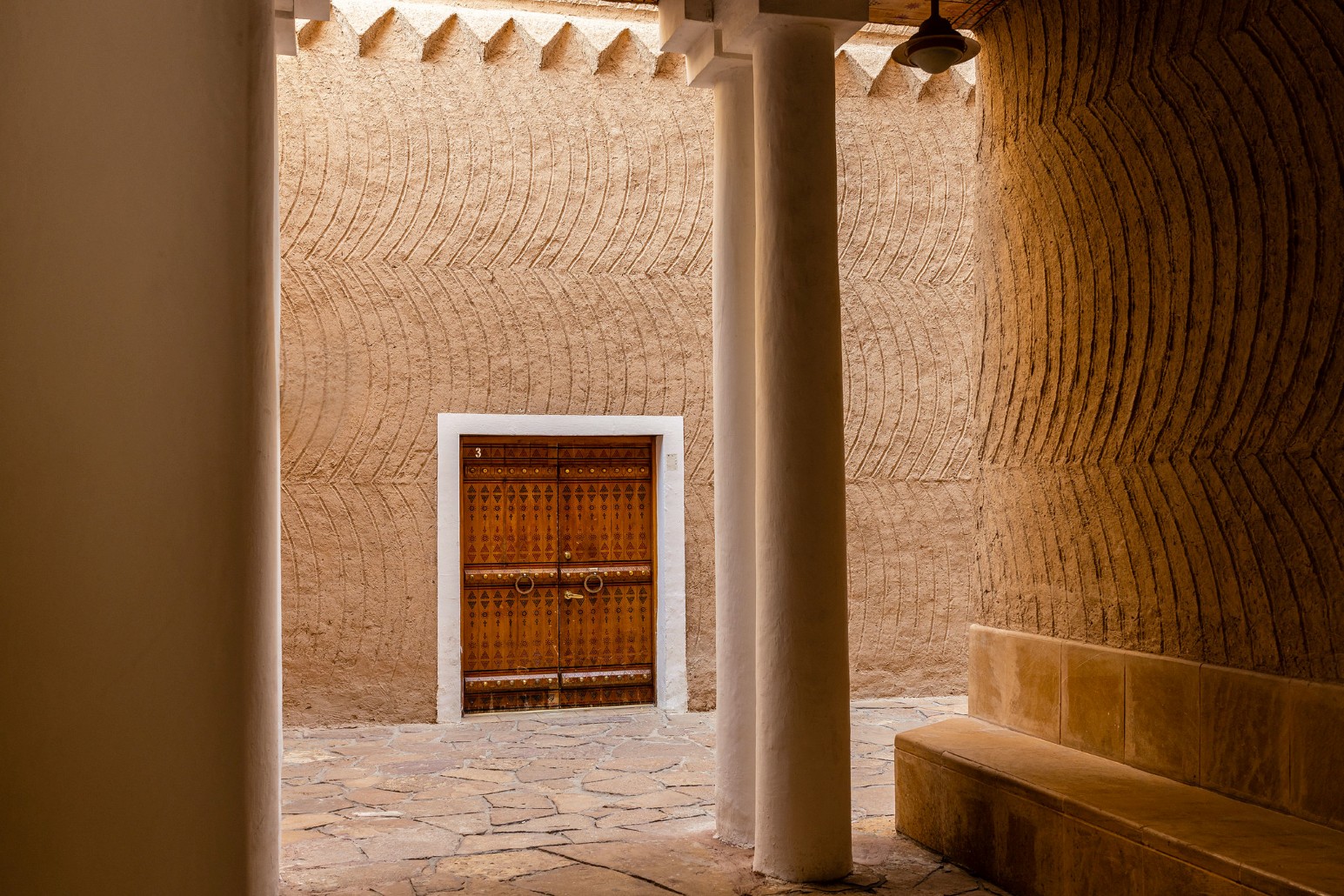
Riyadh is Saudi Arabia’s government centre, but there’s more to the city than administrative powers. From massive festivals and entertainment seasons like Riyadh Season to desert camel rides and dune bashing, there’s plenty to do in this sprawling capital.
From young learners and university students to hospitality workers and businesspeople learning English to improve language skills in the workplace, there are plenty of teaching opportunities.
Riyadh has a dry desert climate with very high daytime temperatures, so it’s just as well you’d be spending your daytime hours in the classroom. But in your free time, you can embrace not just a high salary and living standards but an established expat community, skyscraper dining, desert trips, and more. If you want to perfect your scuba skills, you can train at diving sites in Riyadh before doing it for real on the coast.
Teach English in Jeddah
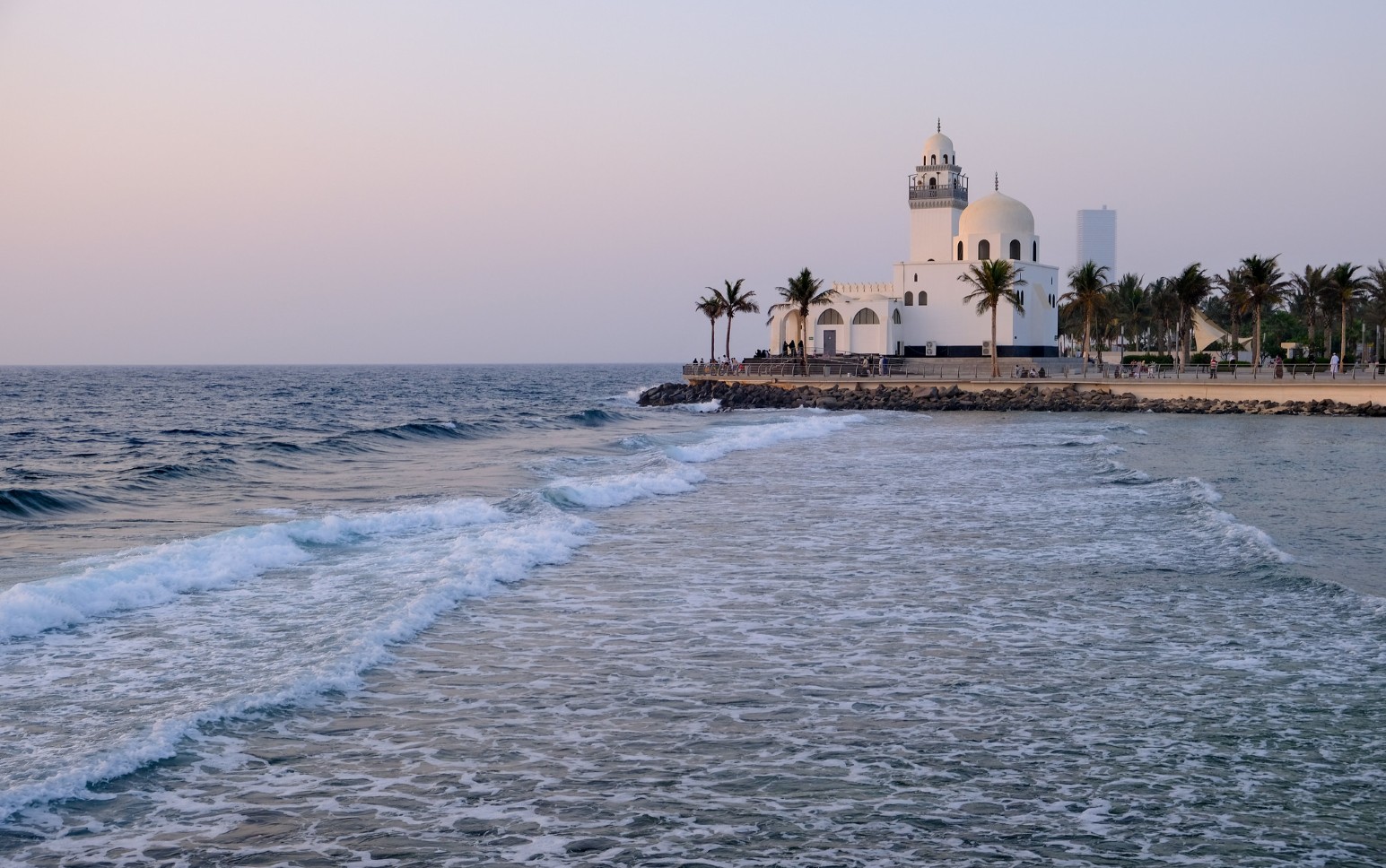
Jeddah is the more liberal, relaxing, and laid-back counterpart to Riyadh’s busy scene. Located on the Red Sea coast, this is probably the spot for you if you’re a beach lover. From coral reefs and shipwreck dives to quiet sunset walks on one of Jeddah’s many beaches, this city can appeal to both the adventurous and the mindful teacher.
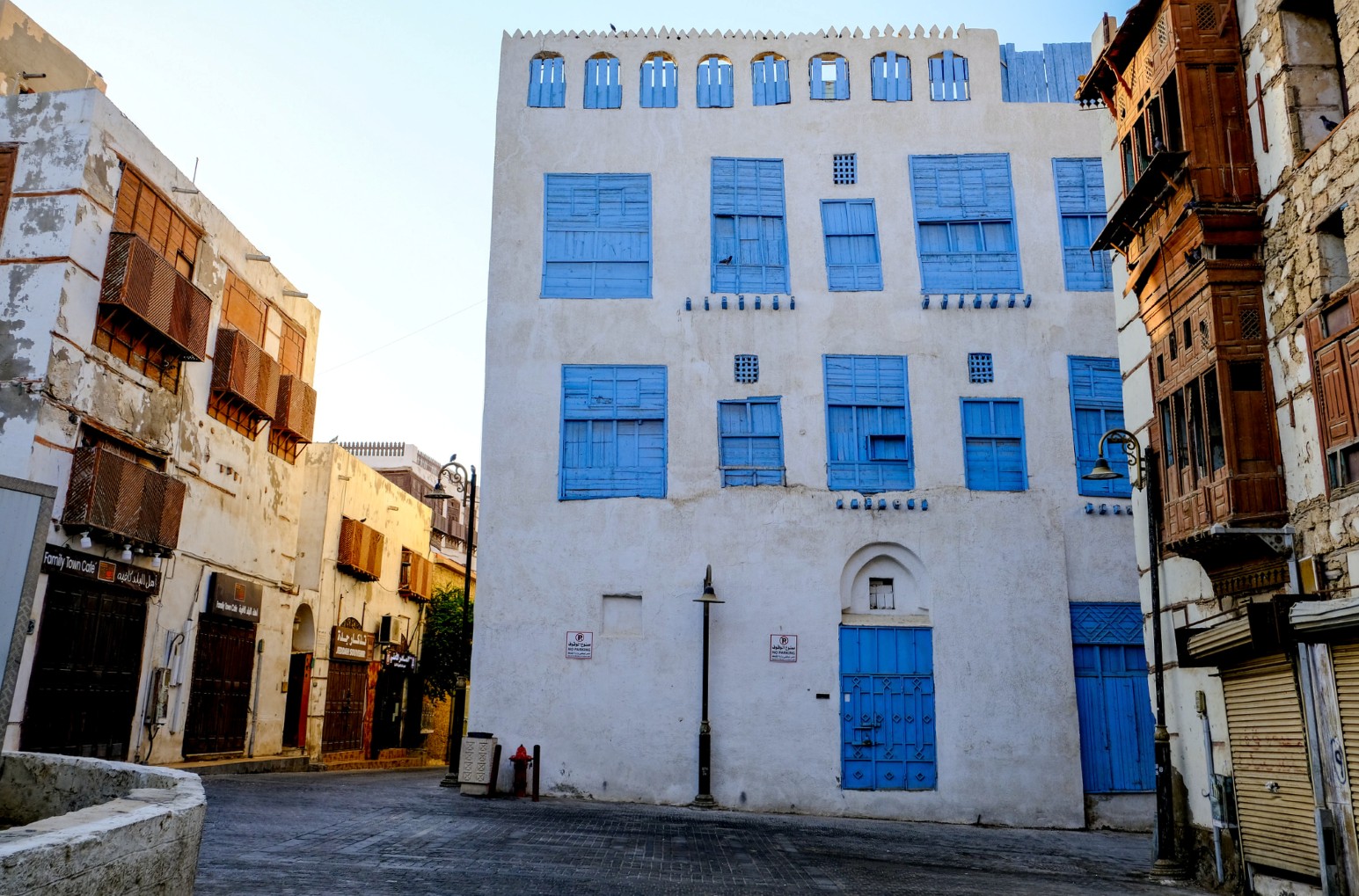
But there’s much more to this coastal city than its sandy beaches. With a charming UNESCO-listed old town, Al-Balad, desert wilderness to the north, and the floating mosque (Al Rahma), there’s no shortage of options. If you want to go further afield, head to Mecca, the birthplace of Islam (it only takes 30 minutes by train!).
Ready to Teach English Abroad? Don’t Forget Your TEFL Certificate
Before you get started teaching English abroad, you’ll need to grab your TEFL qualification. From accessing jobs around the world to feeling more confident when teaching, studying a TEFL course is essential to your teaching career abroad. Employers won’t just recognise your skills from afar, but you’ll learn how to navigate complex grammar questions, classroom management, lesson planning, and more in the English as a foreign language classroom.
Get started today with our 120-hour TEFL course.
Frequently Asked Questions
Q. How much do English teachers make in Saudi Arabia?
English teachers make around SAR 8,000–18,000 ($2,130–$4,780 / £1,560–£3,505) per month depending on their job type, with international schools and universities typically paying more.
Q. Are English teachers in demand in Saudi Arabia?
Yes, English teachers are in demand in Saudi Arabia. Young learners at school and adult professionals need English teachers to help improve their academic and career prospects in public and private education.
Q. Can a British citizen work in Saudi Arabia?
Yes, British teachers can work in Saudi Arabia, and there are many schools that follow a British curriculum and prefer teachers from the UK.
Q. Can an LGBTQ+ teacher visit Saudi Arabia?
It’s a safe country to live and work, but same-sex sexual activity is illegal in Saudi Arabia, so it’s important to consider whether you’d feel comfortable living in a society that’s not compatible with your lifestyle.
Q. Do I need to speak Arabic to teach English in Saudi Arabia?
No, most schools prefer students to embrace total English immersion, so foreign teachers don’t need to speak Arabic.