










Shaped by Nordic, German, and Soviet influences, this small Baltic nation combines medieval old towns, vibrant cities, and national parks to form a delightful (but secluded) location for travellers and teachers.
While Russian is still the second most spoken language in Latvia, the country's pivot away towards international markets can explain its high level of English proficiency, creating a demand TEFL teachers. Read on for The TEFL Org's guide on teaching English in Latvia, from the requirements, jobs, salary, visas, and more.
Key Takeaways
- Latvian is the official language, and while Russian is the second most spoken language, the demand for English is increasing.
- Teachers generally need a university degree and a TEFL certificate to teach in Latvia.
- Salaries for TEFL teachers range from €800–€2,000 ($930–$2,320 / £695–£1,490) per month.
- Teaching jobs are commonly found in the private sector for TEFL teachers, as public school jobs require Latvian speakers.
- Latvia is a member of the European Union; teachers from the EU don't need a visa, but non-EU teachers need a D-Type Visa.
Requirements for Teaching English in Latvia
English is widely spoken in Latvia especially among younger people in cities like Riga, Liepāja, Jūrmala, and Jelgava. So while students already have a good foundation, employers tend to look for well-qualified teachers which means you need to come prepared.
Here's everything you need to know about the requirements for teaching abroad.
Do I need a TEFL certificate to teach English in Latvia?
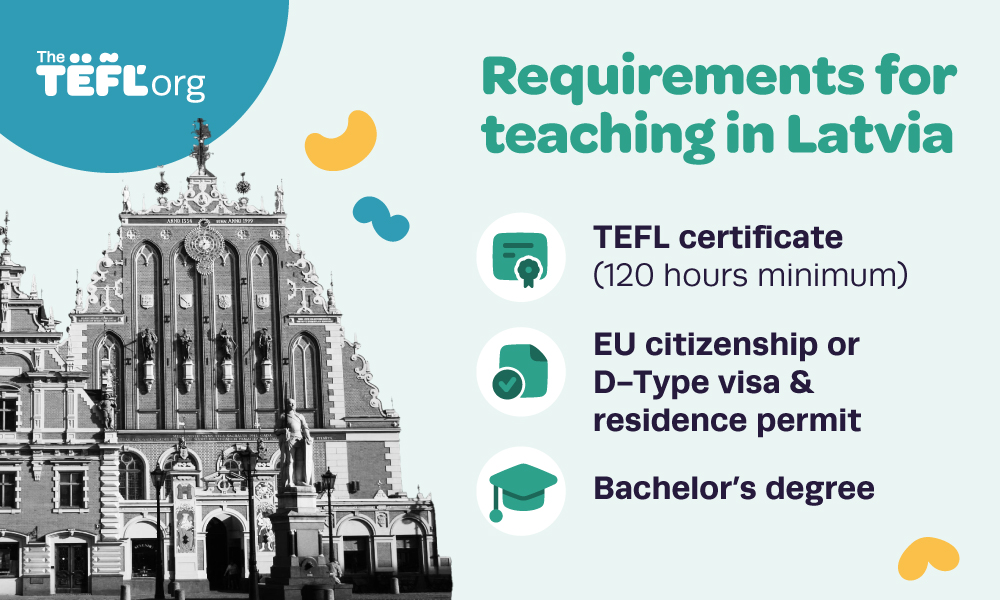
Yes, you need a TEFL certificate to teach English in Latvia, especially if you want to live comfortably on a decent salary. A 120-hour TEFL course is enough for most jobs, but some employers prefer teachers with a Level 5 TEFL course which offers more in-depth training.
A TEFL certificate isn't just a technical requirement but a practical one too. It lets employers know that you're classroom ready even if you lack experience.Tip: Healthcare and tourism are huge industries in Latvia; consider taking an advanced course like teaching Business English to boost your earning potential and job prospects.
Can I teach English in Latvia without a degree?
Most employers ask for a bachelor's degree. It's possible to teach English without a degree in Latvia if you have an EU passport, but jobs and salaries are limited to private language schools or freelance tutoring.
Do I need experience to teach in Latvia?
You can teach English without experience in Latvia, especially if you have a TEFL certificate and a bachelor's degree. But many employers prefer experienced teachers, and higher salary jobs at international schools require at least 2-3 years of prior teaching experience.
Tip: From homestay work exchanges to summer camps, there are plenty of ways to volunteer as a teacher in Latvia if you're looking to gain experience.
Visa requirements for teaching English in Latvia
Latvia is a member of the European Union, so EU teachers don't need a visa and this gives them an advantage over non-EU teachers who need the D-Type visa and residence permit.
Non-EU teachers need to find a teaching job before they can apply for the visa, but this can be tricky. Employers can only hire non-EU teachers if a job is unfilled after 30 days under EU law.
Once hired, your employer can apply for your visa invitation from the Office of Citizenship and Migration Affairs. After getting the D-Type visa, you can then apply for a residence permit (or Uzturēšanās atļauja) in-country.
Here's everything you need for D-Type visa:
- Signed employment contract with Latvian employer
- Completed application form
- Proof of academic qualifications and experience
- Clear criminal background check
- Proof of earnings
Download our Teaching English in Europe Guide
Everything you need to know about teaching English abroad in Europe
Salary and Cost of Living
Latvia is an affordable country compared to western countries like the UK or US, but that doesn't mean much if you don't have the right teaching salary. Here's everything you need to know about the teaching salary and cost of living in Latvia.
How much can you earn teaching English in Latvia?
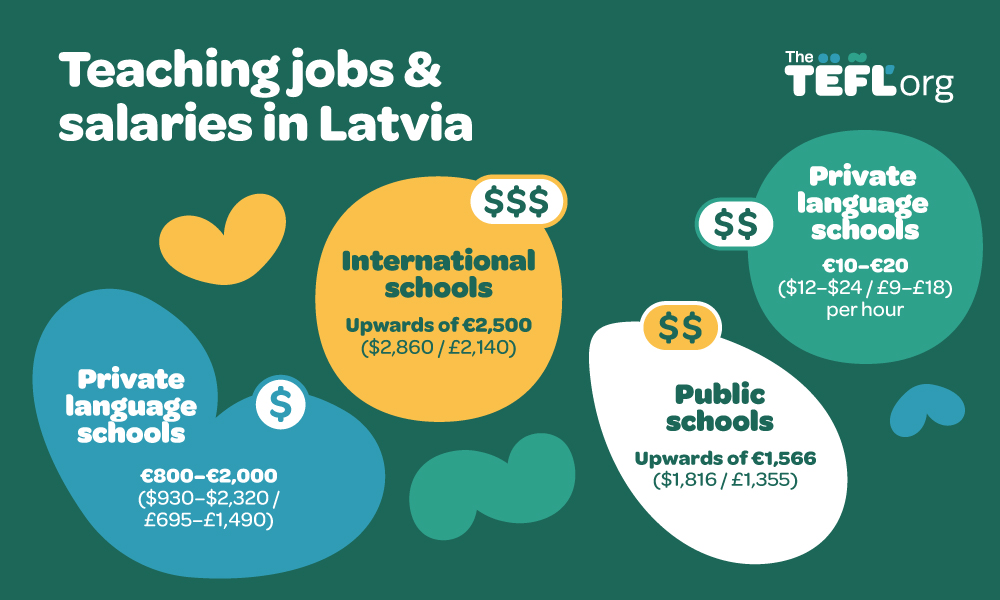
The monthly salary for TEFL teachers ranges from €800–€2,000 ($930–$2,320 / £695–£1,490), but it also depends on the type of school you're working in.
Take a closer look at how they vary from one school to another:
- Public schools: Public school jobs are generally reserved for local teachers who are fluent in Latvian, and monthly salaries start at €1,566 ($1,816 / £1,355).
- Private language schools: Entry-level teachers often work at private language schools where salaries vary significantly from €800–€2,000 ($930–$2,320 / £695–£1,490).
- International schools: International schools offer the highest salaries for teachers, exceeding the average range significantly at elite institutions, starting at ~€2,500 ($2,860 / £2,140).
- Private tutoring: Many English teachers boost their income by private tutoring after regular working hours, charging around €10–€20 ($12–$24 / £9–£18) per hour – or more if they have specialist skills like IELTS exam preparation or teaching business English.
How much does it cost to live in Latvia?
Latvia is affordable compared to western countries, but a single person spends €700–€800 ($810–$915 / £600–£690) per month excluding rent, and rent for a 1-bedroom apartment ranges from €275–€385 ($320–$445 / £240–£330) per month. To put this into perspective, rent in the capital city, Riga, is around 65–80% cheaper than in London or Paris.
You can live comfortably in Latvia on a modest salary, and here's how you can make the most of your budget:
- Live outside the city centre: Living outside the city centre isn't just a great way to live in a more "authentic" and less touristy community but it can also save you up to €200 ($230 / £170) per month in the capital city, Riga. The rest can go towards your gym membership, bus pass, weekend trips, or even savings.
- Eat like a local: Local food is always cheaper than imported food, and eateries like LIDO offer affordable meals at ~€6 ($7 / £5.20). Some even offer lunch specials (dienas piedāvājums) for €5 ($5.80 / £4.30). If you want to cook at home, you can visit local markets and discount supermarkets like MAXIMA to save money.
- Use public transport: Public transport in Latvia is cheap and efficient, especially in Riga. You can use mobile apps to find bus networks to navigate through the city, and a one-way ticket costs €1.50 or €30 ($35 / £26) for a monthly pass.
- Enjoy free activities: From walking tours to national parks and UNESCO-listed old towns, there's plenty to do in Latvia that doesn't involve your taking out your wallet.
| Restaurants | EUR | USD | GBP |
|---|---|---|---|
| Inexpensive restaurant meal | |||
| Domestic beer (0.5 litre) | |||
| Regular cappuccino | |||
| Water (0.33 litre) | |||
| Markets | EUR | USD | GBP |
| Regular milk (1 litre) | |||
| Loaf of white bread | |||
| Regular eggs (1 dozen) | |||
| Apples (1 kg) | |||
| Transportation | EUR | USD | GBP |
| One-way ticket (local transport) | |||
| Monthly pass (regular price) | |||
| Taxi start (normal tariff) | |||
| Gasoline (1 litre) | |||
| Utilities | EUR | USD | GBP |
| Electricity, heating, cooling, water, and garbage (for a regular apartment) | |||
| Regular prepaid monthly mobile tariff with 10GB+ data | |||
| Internet (60 Mbps, unlimited data, cable/ADSL) | |||
| Clothing and shoes | EUR | USD | GBP |
| Pair of jeans (Levis 501 or something similar) | |||
| Summer dress in a chain store | |||
| Nike running shoes (mid-range) | |||
| Men's leather business shoes |
English Teaching Jobs in Latvia
Public school jobs usually require Latvian fluency, so most teachers work at private schools like language centres or international schools. You can find teaching jobs on job listings like The TEFL Org Job Centre, Serious Teachers, or Tes.
If you have an EU passport, you can apply for jobs in-country – but bring savings with you to cover upfront deposits and in case the search takes longer than you thought.
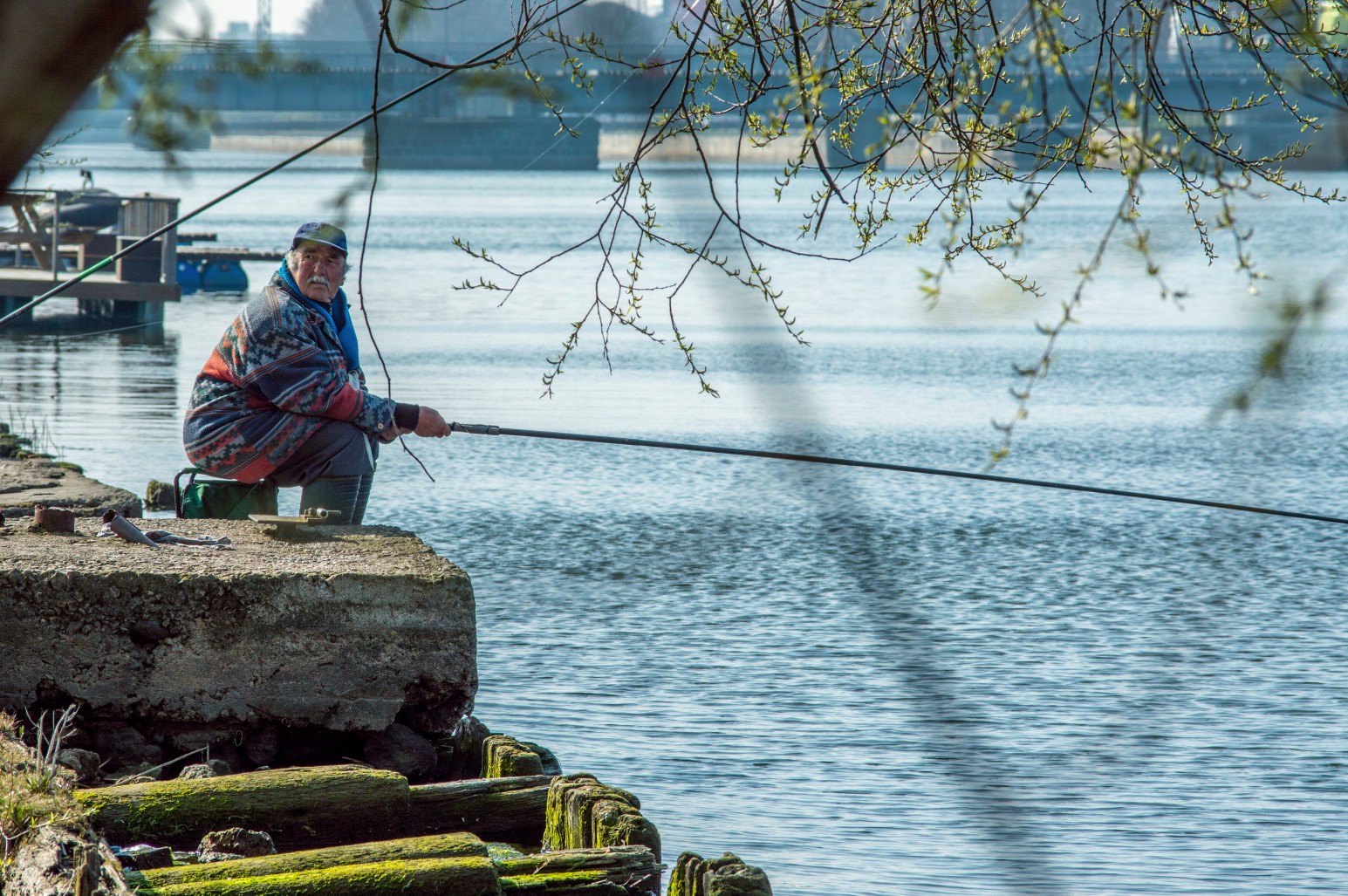
Public schools
Public school jobs are uncommon for foreign teachers because schools usually require Latvian fluency. Most positions also ask for a teaching licence and follow the national curriculum. Like in other European countries, the academic school year runs for 40 weeks from September to June/July.
What to expect at public schools in Latvia:
- Teaching larger class sizes from the national curriculum
- Following the academic calendar from September–May/June
- Requires a bachelor's degree, teaching licence, and Latvian fluency
Private language schools
Private language schools are the most accessible option for TEFL teachers in Latvia. Students are typically motivated adults or young learners with clear language-learning goals like learning business English or exam preparations for studying abroad. These schools often hire year-round and accept inexperienced teachers, making them a good starting point for classroom experience.
What to expect at private language schools in Latvia:
- Evening and weekend classes
- Mixture of student ages
- Varied subjects, focusing on ESP (English for Specific Purposes)
- Year-round hiring and entry-friendly requirements
International schools
At an international school, teachers usually follow a US, UK, or IB curriculum teaching local and foreign students. They usually offer smaller class sizes, modern facilities and some of the highest salaries in Latvia. But opportunities are highly competitive; teachers need a degree, teaching qualifications, and 2–3 years of previous teaching experience.What to expect at international schools in Latvia:
- Teaching local and international students from an international curriculum
- Excellent classroom facilities and small class sizes
- High salary and benefits
- High entry requirements and expectations
Teaching English in Major Cities
From Riga, Daugavpils, Liepāja, and more, there are many places to consider for teaching English in Latvia.
Teach English in Riga
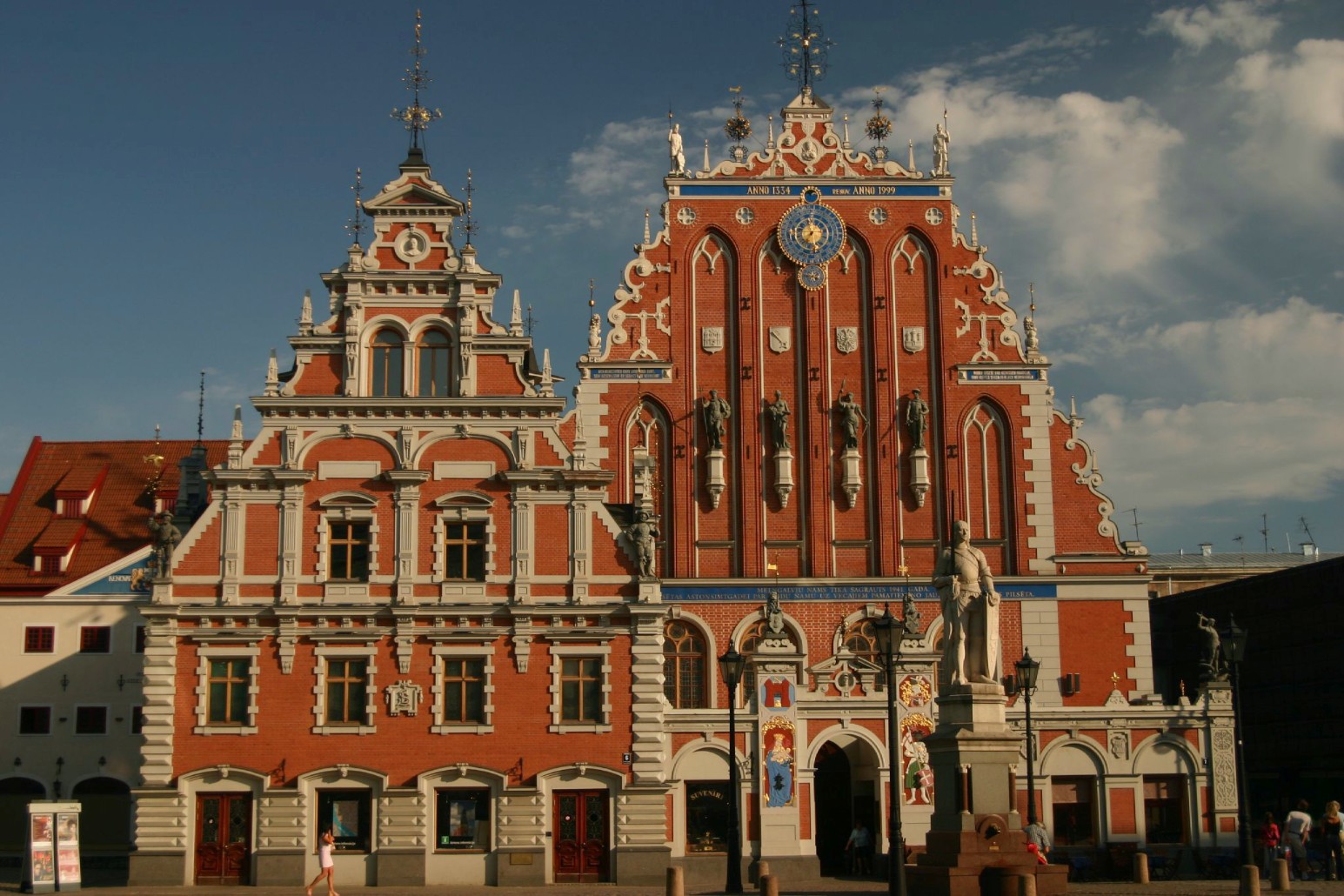
The capital city is where you'll find most teaching jobs, especially in private schools. But there's so much more to Riga than teaching opportunities. If you're an artist, Riga's UNESCO-listed Old Town will enthral you with its medieval architecture, cobblestone streets, and the House of the Black Heads – a stunning Gothic-Renaissance guildhall.
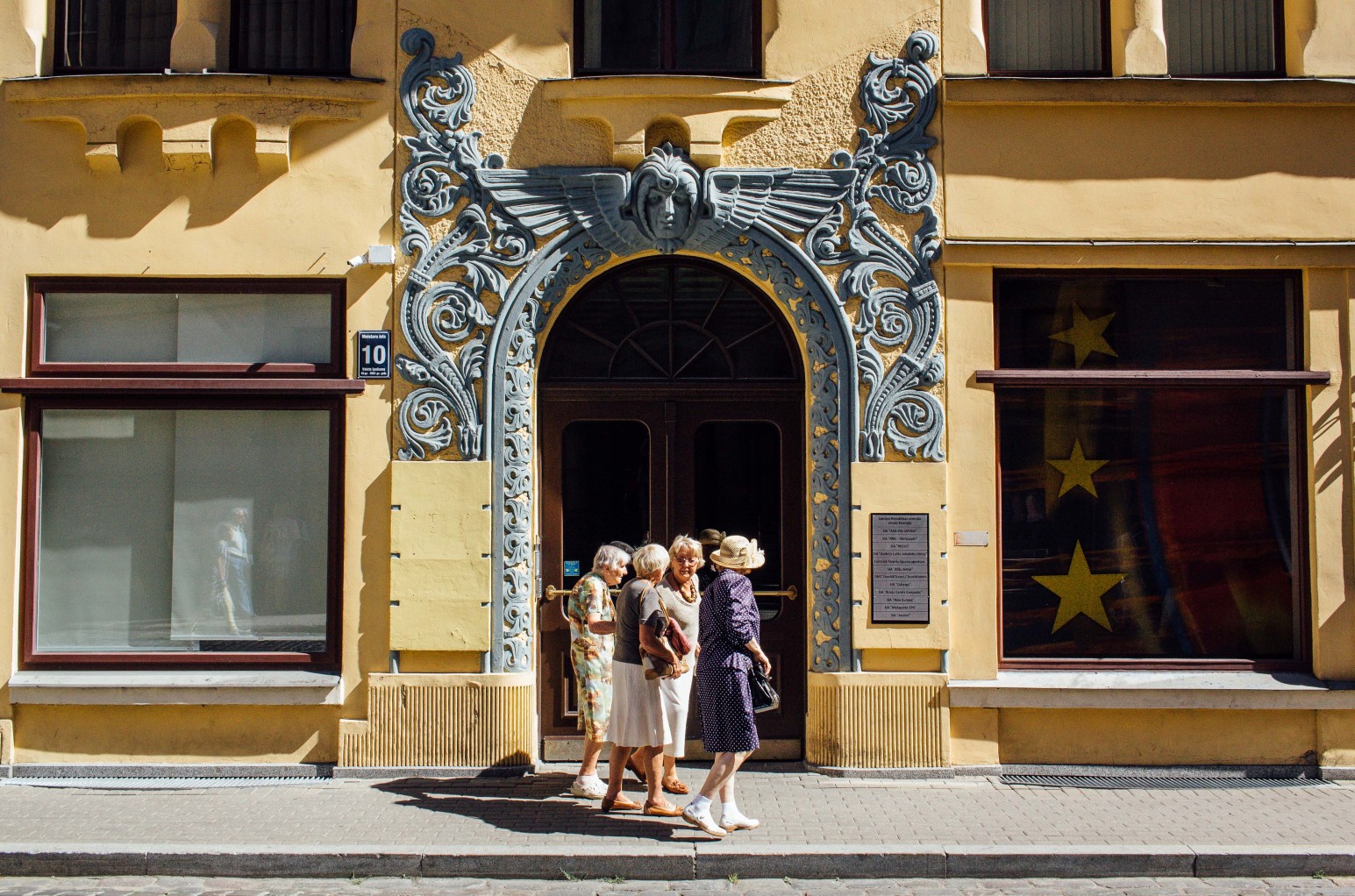
When you're done shopping and sipping on coffee in the old town, you can head to Albert Street to embrace the city's marvellous Art Nouveau architecture. If you're looking to up the tempo, head to the bustling Central Market, take a boat trip down the canal or take the train to Jūrmala beach (which is just 30 minutes away).

Ready to Teach English Abroad? Don't Forget Your TEFL
Before you set off looking for a job teaching English abroad, you'll need to be TEFL certified. Most employers expect a TEFL qualification because it proves that you've learned from experts and that you're ready to take on the classroom. It gives you the practical skills to plan and deliver engaging lessons, manage large classrooms, and inspire confidence in students learning English.
Launch your TEFL career with our internationally accredited 120 hour TEFL course today!
Frequently Asked Questions
Q. Do they speak English in Latvia?
Yes, Latvia has a high level of English proficiency compared to other non-western European countries. However, native English speakers are still in demand to improve conversational skills, academic English, and more.
Q. Does Latvia need English teachers?
Yes, Latvia has a high demand for English teachers. Latvia is a member of the EU and NATO, where English is used as the administrative language, and it needs to cater to a growing tourist sector.
Q. How much do teachers get paid in Latvia?
The average monthly salary for full-time teachers at public or language schools ranges between €800–€2,000 ($930–$2,320 / £695–£1,490) per month, but teachers can earn more working at international schools.
Q. Which country has the highest demand for English teachers?
Asian countries like China, South Korea, and Japan have the highest demand for English teachers, but European countries like Spain and Italy also have a big market.