









What’s more? Qatar is one of the most lucrative countries to teach in. But with incredibly high (and tax-free) teacher salaries, entry requirements are high. Read on for The TEFL Org’s guide to teaching English in Qatar, from the job types, salary expectations, visa process, and more!
Key Takeaways
- Qatar is a growing international hub, and while its official language is Arabic, it has a high demand for English teachers.
- The predominant religion is Islam.
- Teachers need a bachelor’s degree (or a master’s), a Level 5 TEFL certification or teaching licence, and previous teaching experience.
- The average salary for English teachers in Qatar ranges from QR 9,100–16,375 ($2,500–$4,500 / £1,845–£3,320) per month, but international school teachers can earn even more.
- Most Qatar teaching jobs can be found at public schools, language centres, private international schools, and universities.
- Foreign teachers need an employer-sponsored visa after securing a job.
- Top locations include Doha, Al Khor, Lusail and Al Rayyan.
Requirements for Teaching English in Qatar
A predominantly Islamic country, Qatar’s main language is Arabic. English is the most common foreign language taught in Qatari schools, but its English proficiency is still low–moderate, and the standard of English can be low, especially in public schools.However, Qatar’s ambitious language goals mean that the teaching requirements are very high.
Tip: The main religion is Islam, and same-sex marriage or relations are illegal, so Qatar isn’t very compatible with teachers identifying as LGBTQ+.
Do I need a TEFL certificate to teach English in Qatar?
Yes, but most TEFL courses won’t cut it. While a 120-hour TEFL certificate is generally accepted for most TEFL jobs in other countries, teaching jobs in Qatar often require at least a Level 5 TEFL certificate or a teaching licence.
Generally, employers in Qatar prefer teachers who have completed in-person TEFL or teacher training.
Can I teach English without a degree in Qatar?
No, you can’t teach English without a degree in Qatar. It’s a legal requirement, so there’s no getting around it.
But don’t worry, you can still teach English abroad without a degree in countries across Europe, Asia, Latin America, and Africa.
Do I need teaching experience to teach in Qatar?
Generally, most employers require teachers to have at least 2–3 years of teaching experience. This is especially the case in public schools and international schools, but it’s still possible to find entry-level teaching jobs at private language schools in Qatar — just as long as you have a degree and teacher certification.
Can’t find an entry-level job in Qatar? There are plenty of countries where you can teach abroad without experience.
Can I teach in Qatar as a non-native speaker?
Being a non-native speaker won’t stop you from teaching English in Qatar, but you’ll need to be flexible when it comes to looking for jobs.
To teach English as a non-native speaker in Qatar, you’ll need to apply to private language schools — these schools are usually much more flexible when it comes to hiring teachers than public or international schools are.
Visa requirements for teaching English in Qatar
Qatar is very strict when it comes to the hiring and visa process, so you’ll need to make sure you arrive on the correct visa.
To teach English in Qatar legally, you’ll need to enter on the Standard Employment Entry Visa / Work Residence Permit (RP), but you’ll need to find a job first. Once you’ve found a job and signed the contract, your employer will sponsor your visa application.
But it’s not all done yet — you’ll need to submit the following documents to a local Qatari embassy:
- Signed job contract with Qatari employer
- Proof of academic and professional qualifications
- Clear criminal background check
Once you arrive in Qatar, you’ll need to complete a biometrics (fingerprints) registration and medical test before you can collect your residence permit (QID).
Download our guide to teaching English in the Middle East & Africa
Everything you need to know about teaching English in the Middle East and Africa

Salary and Cost of Living
Knowing the teacher salary means nothing without the cost of living. While teaching English in Qatar is a lucrative opportunity, you still need to consider how much you’ll be spending.
How much can you earn teaching English in Qatar?
Again, Qatar is one of the best TEFL locations if earning money and saving up is your priority. The average salary for English teachers in Qatar ranges from QR 9,100–16,375 ($2,500–$4,500 / £1,845–£3,320) per month.If you’ve got plenty of experience and advanced qualifications like a master’s degree, a teaching licence, and years of experience, you could earn even more working at one of Qatar’s top international schools.
But there’s more! Beyond salary, you’ll likely receive benefits like housing allowances and medical insurance, so don’t just look at the salary when you’re offered a job.
How much does it cost to live in Qatar?

But if you can’t find a job that covers accommodation, the cost of living can rise as high as ~QR 11,190 ($3,075 / £2,270) per month. While expenses (excluding rent) are much lower than countries like the US and the UK, rent is much higher.
Here are some of the steps you can take to maximise your savings in Qatar:
- Be flexible with location: Don’t rule out locations outside Doha. While most high-paying jobs will be in the capital city, the lower living costs in other cities can lead to greater saving potential.
- Cook at home: It’s nice to treat yourself to a meal out here and there, but don’t make it a habit. Cooking at home will save you plenty of money in the long run.
- Buy local brands: From food, clothes, and other items, it’s much cheaper to buy local brands than imported products.
- Look beyond salary: A job that includes free accommodation is worth more than just a high salary. Another tip is to look for a role that includes a travel allowance — Qatar has poor public transport, so most expats take taxis or hire a driver. If your school covers this, it’ll save you plenty of money.
- Reduce alcohol intake: As a predominantly Muslim country, alcohol is expensive in Qatar. Not only is there less of it available outside hotels, bars and restaurants, but the government places a 100% tax on alcoholic drinks.
| Restaurants | QAR | USD | GBP |
|---|---|---|---|
| Inexpensive restaurant meal | |||
| Domestic beer (0.5 litre) | |||
| Regular cappuccino | |||
| Water (0.33 litre) | |||
| Markets | QAR | USD | GBP |
| Regular milk (1 litre) | |||
| Loaf of white bread | |||
| Regular eggs (1 dozen) | |||
| Apples (1 kg) | |||
| Transportation | QAR | USD | GBP |
| One-way ticket (local transport) | |||
| Monthly pass (regular price) | |||
| Taxi start (normal tariff) | |||
| Gasoline (1 litre) | |||
| Utilities | QAR | USD | GBP |
| Electricity, heating, cooling, water, and garbage (for a regular apartment) | |||
| Regular prepaid monthly mobile tariff with 10GB+ data | |||
| Internet (60 Mbps, unlimited data, cable/ADSL) | |||
| Clothing and shoes | QAR | USD | GBP |
| Pair of jeans (Levis 501 or something similar) | |||
| Summer dress in a chain store | |||
| Nike running shoes (mid-range) | |||
| Men's leather business shoes |
English Teaching Jobs in Qatar

English teaching jobs in Qatar come in the public and the private sector, and each job is suited to different teaching styles and preferences.
The school year calendar runs from August–June/July, so you’ll need to time your application if you’re applying for public or international schools. For private language schools, there’s usually more flexibility throughout the year.
You can find teaching jobs online with platforms like The TEFL Org Jobs Centre or by applying directly to the school on their website.
Public schools
As a public school teacher, you’ll follow the national curriculum, and while English is a core subject, the level of English is noticeably lower than at private schools. Public schools are gender segregated in Qatar, so teachers should apply to schools with students of the same sex.What to expect at public schools in Qatar:
- Larger class sizes
- Following the national curriculum
- Teaching Sunday to Thursday, ~7:00 am start
Private language schools
Private language centres are the most flexible route into teaching abroad, because as a private business they can set their own hiring rules.
Generally, private language schools hire all year round, and classes take place after school and on weekends to cater to students. Student ages range from young learners learning after school to workers at corporate training centres learning business English skills.
What to expect at private language schools in Qatar:
- Smaller class sizes
- Evening and weekend classes
- Focus on English for Specific Purposes (ESP) subjects like exam preparation or business English
International schools
International schools usually cater to students from expat families, but you might see local students join these schools (especially those from wealthier families). These schools follow an international curriculum — either American, British, or IB — so experience in teaching in your home country is a huge advantage.
Salary and benefits are among the best, but expectations are very high for teachers at international schools.
What to expect at international schools in Qatar:
- Small class sizes
- Following an international curriculum
- Excellent standard of English compared to other schools
- Teaching Sunday to Thursday
Universities
If you’ve got a teaching licence, PhD or master’s degree and years of teaching experience, you could work as a professor at a university in Qatar. As a professor, you’ll likely help students improve their English on a foundation course, but it’s also possible to teach specific subjects in English.
What to expect at universities in Qatar:
- Emphasis on academic research, mentorship, career guidance
- Fewer contact hours but more preparation
- Excellent salary and benefits, but very high entry requirements
Teaching English in Major Cities
Qatar is a small country, but there are plenty of cities to consider.
Teach English in Doha
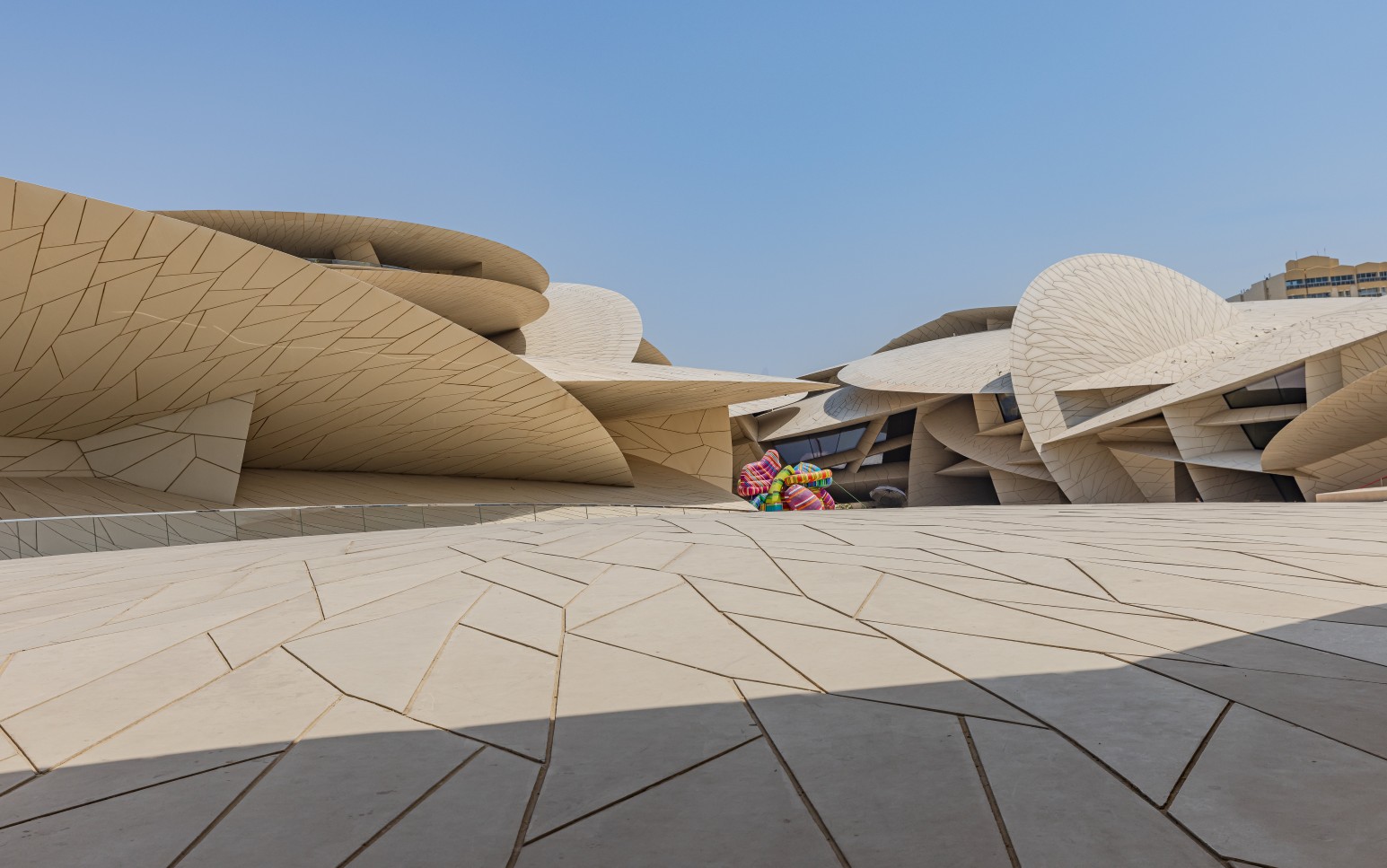
English teachers can find plenty of opportunities here, from teaching jobs at public schools, corporate language centres, or any of its ~90 international schools.
When you’re not in the classroom, there’s so much to enjoy in this sunny and polished city. Haggle at the historic marketplace of Souq Waqif, or soak up art and history at any of its museums and galleries. If you fancy treating yourself to eating out, grab dinner at a rooftop restaurant, or go dune bashing or camel riding to embrace Doha’s desert landscape.
Tip: Before you turn down jobs in cities outside Doha, remember that cities like Lusail or Al Rayyan are only 20 minutes away.
Teach English in Al Khor

While cities like Lusail and Al Rayyan are often the second or third option for English teachers, their close proximity to Doha makes life very similar to the capital city. But Al Khor is located a little further outside on the northeastern coast and offers a more affordable, laid-back, and less congested lifestyle.
Despite Al Khor’s more relaxing pace, it still has plenty of teaching opportunities, whether you have your eyes set on public or private schools. When you’ve clocked out for the day, take a trip further to see the mangrove colony and Purple Island. If you want to stay local, sunbathe on Al Ferkiah beach or take a walk along the Al Khor Corniche beachfront.
Ready to Teach English Abroad? Don’t Forget Your TEFL Certificate
Before you start your journey teaching English abroad, you’ll need a teaching certification to prove to employers that you can lead the classroom. But a TEFL certificate isn’t just something that ticks boxes — by studying a TEFL course you’ll learn how to teach English language skills to students in foreign countries. From classroom management, teaching complex grammar structures, and more, you’ll develop into a confident and skilled teacher with a TEFL course.
Get started today with our 120-hour TEFL course or Level 5 course.
Frequently Asked Questions
Q. How much do English teachers earn in Qatar?
English teachers in Qatar earn around QR 9,100–16,375 ($2,500–$4,500 / £1,845–£3,320) per month, but international school teachers can earn even more.
Q. Are English teachers in demand in Qatar?
Yes. Qatar is an international hub, but it still has a low–moderate English proficiency score, so it needs high-level English teachers to teach students.
Q. Do I need to know Arabic to teach in Qatar?
No, you don’t need to speak Arabic to teach in Qatar because employers want students to experience total English immersion in the classroom. However, learning the Arabic language can help you understand the culture more and fit in.
Q. Do schools provide accommodation and other benefits?
Beyond a high and tax-free salary, schools in Qatar often offer benefits like free accommodation (or an allowance) and other benefits like transportation, insurance, visa reimbursement, and more.