




| Country | Avg. monthly salary | Degree required | Start of term | Teaching experience | Housing & flights included | Suitable for non-native English speakers | Age restrictions |
|---|---|---|---|---|---|---|---|
Teach in
Australia | 6,000 - 9,000 AUD | January | Not usually | None | |||
Teach in
Bangladesh | £1,172 - £1,953 GBP $1,500 - $2,500 USD | January | None | ||||
Teach in
Bhutan | 25,108 - 50,216 BTN £232 - £464 GBP $300 - $600 USD | February | Not usually | None | |||
Teach in
Cambodia | 5,283,959 KHR £943 GBP $1,220 USD | November | under 65 | ||||
Teach in
China | 21,833 CNY £2,339 GBP $3,008 USD | September | Yes, if degree obtained from an English-speaking country | Under 55 | |||
Teach in
Hong Kong | 28,000 HKD £2,786 GBP $3,585 USD | August | Not usually | Under 60 | |||
Teach in
India | 25,428 INR £236 GBP $304 USD | April | None | ||||
Teach in
Indonesia | 11,444,444 IDR £505 GBP $638 USD | July | Not usually | under 60 | |||
Teach in
Japan | 258,542 JPY £1,268 GBP $1,639 USD | April | Sometimes | under 65 | |||
Teach in
Kazakhstan | 503,310 KZT £823 GBP $1,059 USD | August | None | ||||
Teach in
Kyrgyzstan | 43,000 - 86,000 KGS ££390 - £783 GBP $500 - $1,000 USD | September | None | ||||
Teach in
Laos | 11,045,670 - 33,137,010 LAK £390 - £1,171 GBP $500 - $1,500 | September | None | ||||
Teach in
Malaysia | 3,125 MYR £518 GBP $667 USD | January | Preferred | Sometimes | under 65 | ||
Teach in
Mongolia | £700 - £1,120 GBP $875 - $1,400 USD | September | Sometimes | None | |||
Teach in
Myanmar | £600 - £1,500 GBP $800 - $2,000 USD | June | Preferred | Sometimes | under 52 | ||
Teach in
Nepal | Voluntary | April | Sometimes | None | |||
Teach in
New Zealand | NZD 4,000 - NZD 8,000 | January | Not usually | None | |||
Teach in
Pakistan | 36,583 PKR £102 GBP $131 USD | August | Not usually | None | |||
Teach in
Papua New Guinea | 3,000 - 8000 PGK £600 - £1,600 GBP $770 - $2,054 USD | January | Not usually | None | |||
Teach in
Philippines | 24,158 PHP £321 GBP $413 USD | August | None | ||||
Teach in
Singapore | 4,713 SGD £2,720 GBP $3,500 USD | January | None | ||||
Teach in
South Korea | 2,679,167 KRW £1,634 GBP $1,936 USD | March | Under 62 | ||||
Teach in
Sri Lanka | 37,667 LKR £96 GBP $124 USD | January | Not usually | None | |||
Teach in
Taiwan | 72,436 TWD £1,725 GBP $2,220 USD | September | Sometimes | Under 65 | |||
Teach in
Thailand | 44,800 THB £914 GBP $1,177 USD | May | Sometimes | None | |||
Teach in
Vietnam | 44,818,000 VND £1,373 GBP $1,766 USD | August | Under 60 |
There are no strict age limits for TEFL certification, but that’s not to say there aren’t some things you should be aware of if you’re especially young or a more mature aspiring EFL teacher. For any teaching position, regardless of your age or experience, you’ll need a TEFL qualification from an accredited, internationally recognised provider.
TEFL Age Restrictions: Are You Ever Too Old or Too Young to Teach English?
The quick answer is no; in general, there are few limitations to teaching English as long as you’re over the age of 16. There is no universal age limit to get TEFL certified and anyone aged 16 and over can begin their TEFL training.
Most countries don’t set strict age limits for teaching, but some Asian countries like China, South Korea, and Japan, do tie work visa eligibility to local retirement ages, typically from 55 to 65.
Young teachers who are under the age of 21 and don’t have a degree are best suited to finding a teaching job in Europe and Latin America. Online teaching is another great option with few restrictions.
Likewise, older teachers over the age of 55 will also find plenty of opportunities in the same areas of Europe, Latin America, and online, which has no age limitations anywhere in the world.

Am I Too Old to TEFL?
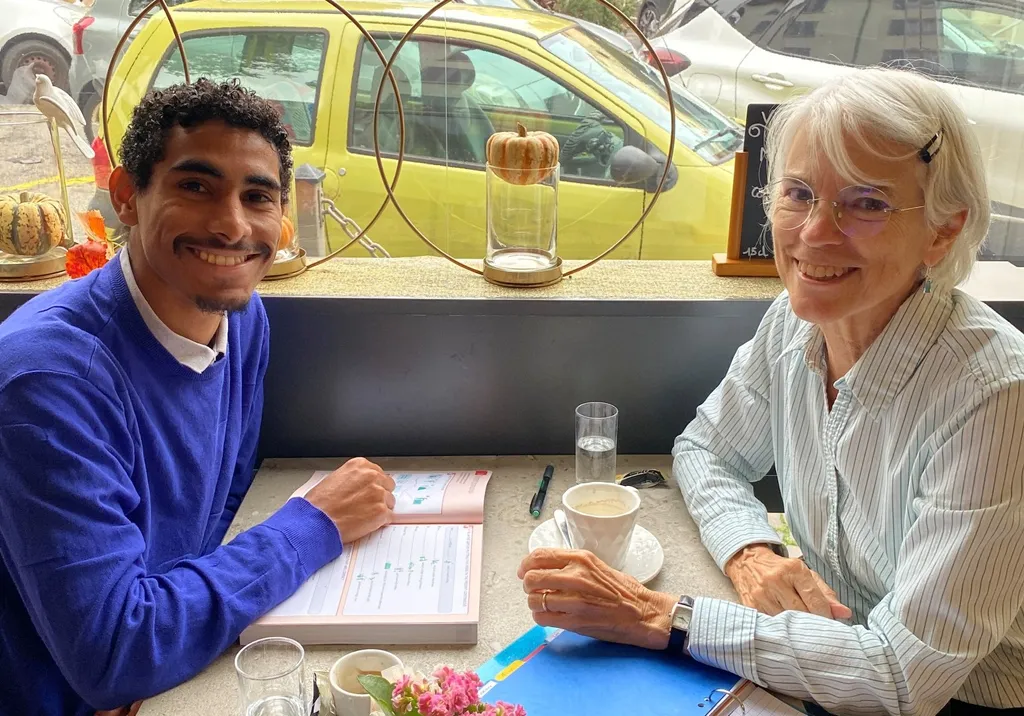
You’re never too old to TEFL! We’ve trained teachers of all ages — take Diane, for example, who completed her training just before turning 62 and went on to teach in Germany.
You might be under the impression that TEFL is a young person’s game, and while it’s true that our courses are popular with 20 and 30-somethings, the fact is we’ve trained teachers of all ages who’ve gone on to work across the globe.
While there are some countries in Asia and the Middle East where it can be difficult to find work if you’re over 55/60, this is due to strict retirement rules. Asia can be more challenging for older teachers, so bear this in mind. Make sure to look into retirement ages and always research visa requirements.
Yes, there can be age discrimination in the EFL job market — whether it’s legal or not — so if you’re over 50, be prepared to be more persistent in your job hunt than someone in their 20s might need to be. It can take a bit more time to find work, but as long as you’re TEFL qualified and focusing your search on countries where you’re legally able to teach, you’ll likely find a position.

Why being an older TEFL teacher is an advantage
While it’s easy for older TEFL teachers to feel like they’re behind in terms of getting started teaching English, there are several benefits to beginning your TEFL career later in life.
- Professional credibility: Many older TEFL teachers have a long career background that carries weight in the classroom. Whether you were an educator or led large groups of co-workers, it all applies to your future students, and prospective employers will take notice. Tap into your professional skills to gain credibility.
- Financial stability: Because older adults are often coming off the tail end of a long career, they often have more financial stability. This is crucial for start-up costs when moving to a new country, which can be a big barrier to entry for younger teachers.
- Specialisation: Older adults might be able to add previous experience like corporate training to their CVs. Finding a niche like Business English or exam prep certifications can also come in handy when searching for a TEFL job.
- Emotional intelligence and life experience: While young TEFL teachers might find it more difficult to integrate into a new culture, older teachers are often more emotionally intelligent, with plenty of life experience to lean on. This often equates to better classroom management and conflict resolution, skills that employers know older adults are generally better at navigating.
Does age discrimination exist?
Unfortunately, there can be age discrimination in the TEFL industry. While many countries do have laws tackling ageism, bias does still exist, and you may come across adverts for jobs looking for teachers in their 20s or 30s.
You’re more likely to see a preference for younger teachers for roles working with young learners. It’s much less of an issue for jobs that involve teaching older teenagers and adults. However, if teaching young learners is what you want to do, don’t let this hold you back! TEFL Org graduates, Yvonne and Louise, have both found work they love teaching English online to kids.
Where can older teachers find work?
While some countries, particularly in Asia and the Middle East have visa restrictions that prevent teachers of a certain age from getting a work permit, there are still plenty of options all over the world. For instance, Latin America and Europe are both great regions for older TEFL teachers.
See below for the requirements for dozens of countries across the globe.
Top tips for older TEFL teachers
- Manage expectations: unless you’re an experienced EFL teacher, you shouldn’t expect to be earning a lot of money in your first TEFL job. Salaries in the TEFL industry are determined by teaching experience.
- Be flexible and open about your destination
- It can be more difficult to find work in Asia for older teachers (although not impossible!), while there are more opportunities in South America and Europe
- Thoroughly research visa requirements and retirement ages
- Persevere: don’t let rejections get you down; keep on sending out those applications!
Am I too young for TEFL?
Anyone from the age of 16 can take our courses, and it can be a great idea to get qualified and start building up experience from a young age. If you’re under 18, then, realistically, it’s unlikely you’ll find paid work teaching English, but you may be able to start building up your teaching CV at this age by volunteering locally! Talk to your school and local organisations working with refugees and asylum seekers to explore opportunities.What if you’re in the 18 to 20 age range? You can do TEFL, but it’s important to be aware of a few factors. Firstly, unless you started university very young, it’s unlikely you’ll have a degree at this age. Most countries outside of Europe and South America require a degree for visa reasons, so without one, these countries are ruled out for you. It’s always important to research the visa requirements for any country you’re interested in teaching in — this way you can find out if you’re ruled out due to age, education, or any other factors.
If you fall into this age bracket, we recommend looking into summer camp work in Europe, teaching English online, considering jobs in South America, and volunteering, which will build up your experience and help you find a full-time position. Online teaching in particular is a great way to gain experience for young teachers who don’t have a degree yet. Tutoring platforms like Preply are a good place to begin.
If you’re a student, be sure to take a look at our Guide to TEFL for Students for more tips and advice.
Top tips for younger teachers
- Build up teaching experience through voluntary work and short-term contracts
- If you’re 18 to 21 and don’t have a degree, South America is your most likely option for finding full-time work
- Thoroughly research visa requirements
- Find out more about teaching abroad and download our FREE guide to teaching English online.
Download our guide to teaching English around the world
Everything you need to know about teaching English abroad, whatever your age
Age restrictions by region: where you can teach at any age
Some countries have very few age limitations when it comes to TEFL teachers. Here’s a look at age restrictions for teaching English across the world, by region.

- Asia: Asia is often thought to be the strictest area of the world when it comes to requirements for TEFL teachers. Retirement-age-linked visa rules in countries like China (under 55), South Korea (under 62), Japan (under 65), Vietnam (under 60), and Taiwan (under 65) make it difficult or impossible for older TEFL teachers to find work. It’s easier for adults over 55 to teach in countries like Cambodia.
- Europe: Europe is a fairly flexible TEFL market when it comes to older teachers. There are no age limits in most EU countries. If you’re looking for EU citizenship, that is often more of a barrier to entry than age. Some of the most popular countries for teaching English in Europe include Spain, Italy, France, Czechia, and Poland.
- Latin America: Latin America might be the most flexible region in the world when it comes to age restrictions for TEFL. Both young and older teachers can easily find work in countries like Mexico, Costa Rica, Argentina, and Chile. Many Latin American countries also don’t require a degree, making it even easier to find work.
- Middle East: If you’re looking to teach English in the Middle East, age restrictions depend on the country. Some Gulf countries have unwritten preferences but not formal age limits. Countries like Kuwait and Bahrain require that teachers be under the age of 60, while Saudi Arabia limits it to 55. Higher qualifications are often more of a barrier than age in this region.
- Africa: In general, there are no age restrictions in Africa for TEFL teachers. Africa is a volunteer-heavy market, meaning that paid teaching jobs are more scarce than in other areas of the world.
Are there age restrictions for teaching English online?
No, there are no age restrictions for teaching English online in terms of upper age limits. Most platforms do require that teachers be at least 18 years old. Some platforms may also require a bachelor’s degree. Online teaching is great for younger teachers because it helps build experience, while older teachers will also love the flexibility. See how easy it is to get started with TEFL Org’s ultimate guide to teaching English online.
Best countries to teach English at any age
Whether you’re starting your career fresh out of college or you’re starting over after retirement, these are the best countries in the world to teach English at any age.
- Spain: This European hot spot for teaching English has no age limits. Strong language assistant programmes for young teachers make it easy to get started, while mature teachers are in high demand for adult learners.
- Central Europe: Central European countries like the Czech Republic and Poland are very flexible with their age policies for TEFL teachers. There’s also a strong demand for English teachers, making it easy to find a job, no matter your age.
- Mexico and Costa Rica: These Latin American countries are two of the best options for those who are younger than 21 or older than 60. Mexico and Costa Rica are open to all ages and have very accessible visa routes.
- Online teaching: Teaching English online might be the most accessible way to teach English as a second language. There are generally zero age barriers, and schedules are fully flexible.
- Japan: Japan can be a great TEFL market for mature teachers who are favoured in roles like Business English. Unfortunately, 65 is the cutoff age for English teachers due to local retirement laws and regulations.
Start your TEFL career by getting certified
Whether you’re an older adult who’s looking for a new, more flexible career, or you just graduated high school and are looking to start a career, teaching English might be the perfect option. Begin your journey by getting certified with our 120-hour accredited TEFL course.
Frequently Asked Questions
Q. What is the minimum age to take a TEFL course?
Most TEFL courses require that students be at least 18, but some allow students who are as young as 16, including the TEFL Org. While many employers won’t hire teachers until they turn 18, that gives TEFL learners plenty of time to get experience through volunteering abroad or in their local communities.
Q. What is the minimum age to teach English abroad?
Most programmes and foreign governments require that teachers be at least 18 years old to teach English abroad. Some regions, like the Middle East and Asia, traditionally won’t hire teachers who are younger than 21.
Q. Is there a maximum age to teach English abroad?
No, there’s no maximum age to teach English abroad. Some countries won’t hire English teachers who are older than 60–65, depending on local retirement regulations and laws.
Q. Can you teach English abroad after 60?
Yes, you can absolutely teach English abroad if you’re over the age of 60. Certain regions, like Latin America, may have no age restrictions. Other countries have strict retirement ages, which makes it difficult or impossible to teach English if you’re older than the age limit.
Q. Can you teach English abroad without a degree if you are under 21?
Yes, it is possible to teach English abroad without a degree if you’re under 21. Where this gets tricky is that many visas require you to have a bachelor’s degree or be over the age of 21. Once again, Latin America is often a more flexible market to start teaching at a younger age and without a degree. Online teaching is also a great path to take for young English teachers who don’t have a degree, as there are more opportunities with fewer restrictions.
Q. Is there age discrimination in TEFL hiring?
Yes, there can be age discrimination in the TEFL hiring process, although some countries actually prefer older teachers. Typically, this isn’t true age discrimination, but rather employers who are simply following local laws, which prohibit them from hiring anyone over the age of 60–65, depending on the country. Likewise, some countries look for younger teachers, especially in roles teaching young children.
Q. Can retirees teach English abroad?
Yes, it’s possible for retirees to teach English abroad. The experience you’ve gained throughout your career can also help to boost your CV — even better if you have experience teaching or instructing groups. Some teachers switch careers to become TEFL instructors later in life, offering them a steady stream of income and more flexibility than many traditional jobs.
Q. Do online teaching platforms have age limits?
Most teaching platforms require teachers to be at least 18 years of age but typically do not have age limits for older adults. In fact, maximum age limits don’t really exist in the online English teaching space.