








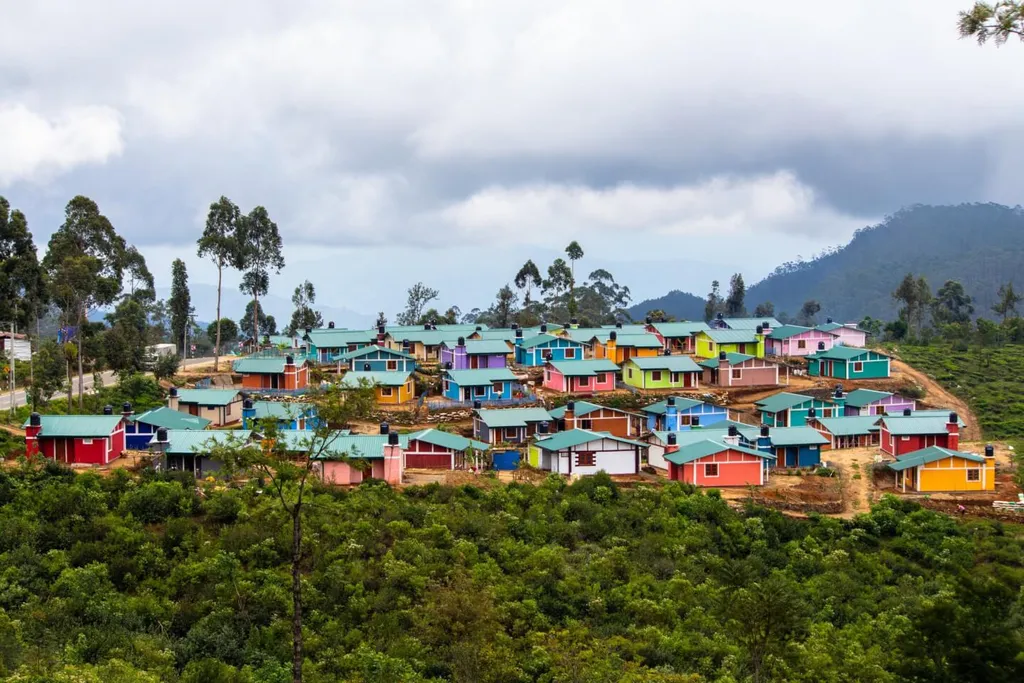
Surf spots, rainforests, plus a range of opportunities for English teachers - Sri Lanka has a lot to offer. While Sinhala and Tamil are the country's two official languages, English is increasingly used in cities like Colombo and Kandy, with Sri Lanka's low English language proficiency driving demand for new teachers.
Read on for The TEFL Org's guide to teaching English in Sri Lanka, from salaries, to top locations, visa requirements, and more.
Key Takeaways
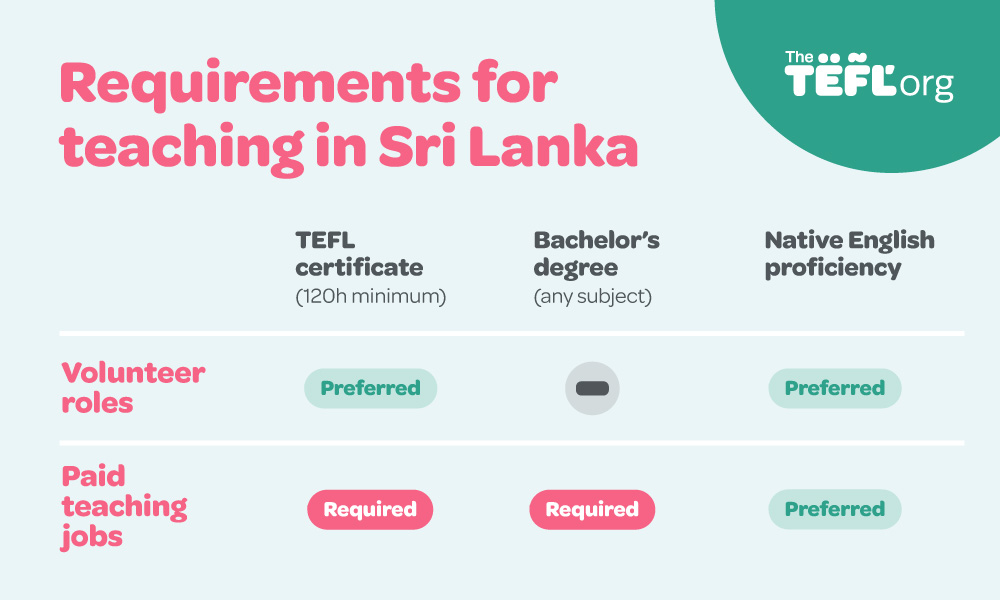
- You'll need need a TEFL certificate and bachelor's degree to find paid teaching jobs in Sri Lanka. (Volunteer roles prefer TEFL certification and native English speakers.)
- Most teaching jobs are in cities like Colombo and Kandy, in private language centres and international schools.
- English teachers can earn ₨30,000–₨440,000 ($95–$1,390 / £70–£1,030) a month, or more at some international schools.
- You'll need an Entry Visa to teach in Sri Lanka legally, while online teachers may be able to apply for a digital nomad visa.
Requirements for Teaching English in Sri Lanka
The requirements for teaching in Sri Lanka vary according to whether you're looking for short-term volunteer roles or a paid teaching position. Here's a quick breakdown:
Do I need a TEFL certification to teach English in Sri Lanka?
Yes, you need a TEFL certification to teach English in Sri Lanka legally. A 120 hour TEFL certificate is usually the minimum for paid positions, but you might be able to teach without one on certain volunteer programmes.
Tip: 120 hours of TEFL training is the industry requirement, but you can upskill even more with TEFL Org's Level 5 course or advanced courses.
Can I teach English in Sri Lanka without a degree?
Yes, it's possible to teach in Sri Lanka without a degree. However, if you want to find paid positions, most employers prefer teachers who have a bachelor's degree at minimum, especially at international schools and university teaching jobs. (Learn more about teaching English abroad without a degree.)
Do I need teaching experience to teach in Sri Lanka?
No, you don't need teaching experience to teach in Sri Lanka. However, employers (e.g. international schools) prefer teachers who have a few years of teaching experience.
Tip: Want to gain experience before your first teaching job? You can gain valuable teaching practice in a real classroom and feedback with TEFL Org's in-class TEFL course!
Visa requirements for teaching in Sri Lanka
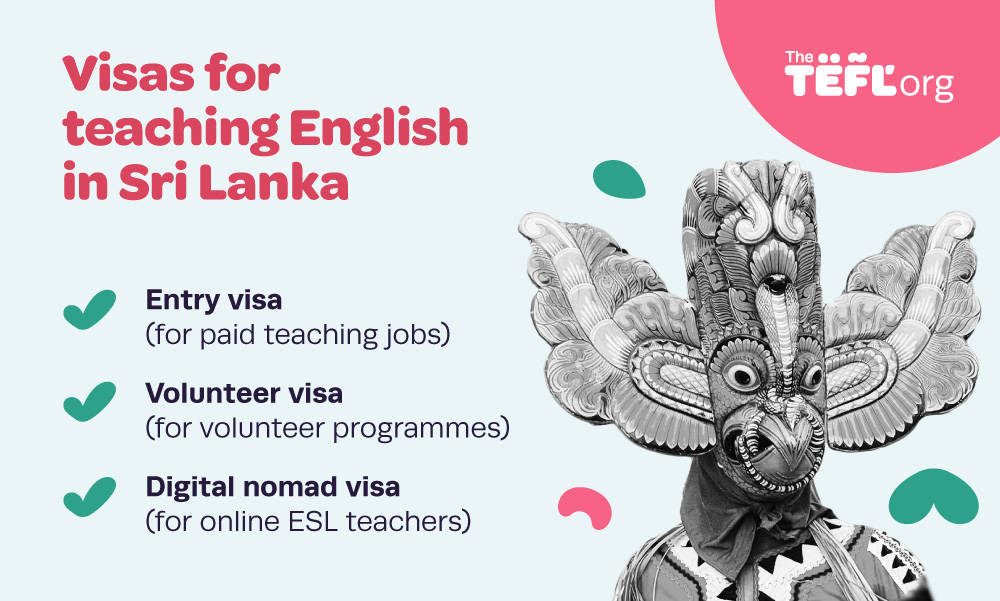
To work legally as a full-time English teacher in Sri Lanka, you'll need to secure a job before you get there. Your employer must sponsor your visa application through the Department of Immigration & Emigration (DI&E).
Following approval, teachers can apply for an Entry Visa at a Sri Lankan embassy or consulate in their home country to have the entry visa endorsed in your passport.
Teachers will then need to apply for a work permit and Residence Visa within 30 days of arrival.
To apply for the Entry Visa in Sri Lanka, you'll need:
- Entry Visa Form B application form
- Proof of employment from a Sri Lankan employer
- Approval from the Controller of Immigration & Emigration
- Clear criminal record
- Passport with at least 6 months' validity and blank pages
- Two recent passport-sized photographs (taken within the last 6 months)
- A valid UK visa if non-British or non-EU applicants
While many volunteers enter on a tourist visa, this is technically illegal; the volunteer provider must apply for a Volunteer Visa on their behalf.
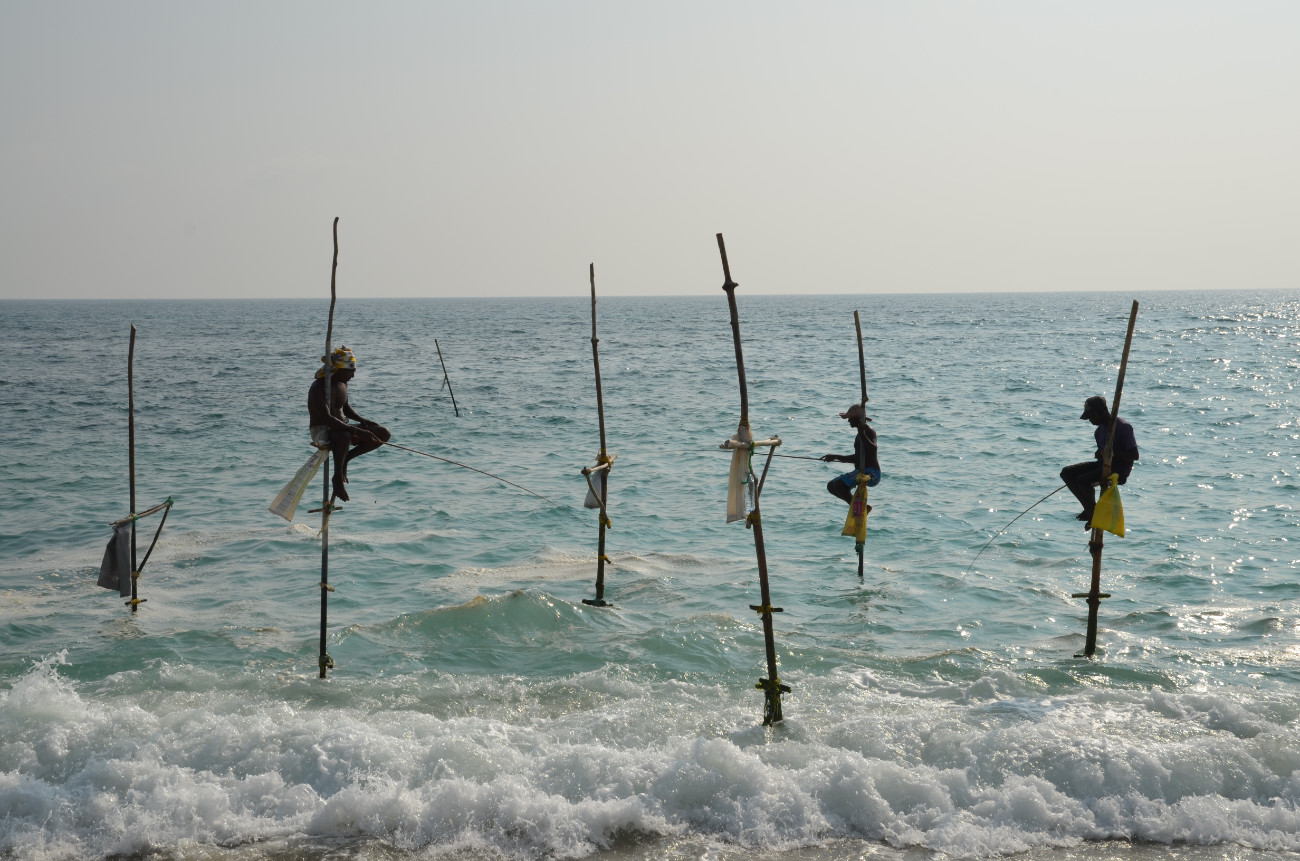
If you're an online English teacher, you can apply for the digital nomad visa. Sri Lanka's new digital nomad visa allows you to live and work in the country, as long as you work online for a non-local employer.
Here are the key requirements for Sri Lanka's digital nomad visa:
- Proof of a monthly income of $2,000
- Criminal background check (issued within the last three months)
- Health check and international health insurance
Important: Immigration rules can change; be sure to check Sri Lanka’s Department of Immigration and Emigration for updated rules. The information above is not intended as legal or visa advice.
Download our guide to teaching English in Asia
Everything you need to know about teaching English across Asia
Salary and Cost of Living
While cost of living in Sri Lanka is low, salaries for English teachers here are also on the lower end compared to the rest of Asia. You'll need to weigh up how much you get paid versus the kind of lifestyle you're aiming at.
Here's a quick overview of what you can expect to earn, spend, and save in Sri Lanka as a TEFL teacher.
How much can you earn teaching English in Sri Lanka?
For paid roles, English teachers can earn around ₨30,000–₨440,000 ($95–$1,390 / £70–£1,030) per month. Generally, Sri Lanka ranks on the lower end for teaching English abroad salaries, which is worth keeping in mind before committing to a job there.
How much does it cost to live in Sri Lanka?
The average cost of living for expats and teachers in Sri Lanka ranges from ₨100,000–₨140,000 ($315–$440 / £230–£325), excluding rent.
Rent in big cities like the capital Colombo ranges from ₨70,000–₨140,000 ($220–$440 / £160–£320). This takes your total monthly living costs to around ₨200,000 ($630 / £465) depending on your lifestyle. For many teachers, monthly living expenses in Sri Lanka tend to outpace an average teacher's salary, unless you're working at a higher-end private or international school.
| Restaurants | LKR | USD | GBP |
|---|---|---|---|
| Inexpensive restaurant meal | |||
| Domestic beer (0.5 litre) | |||
| Regular cappuccino | |||
| Water (0.33 litre) | |||
| Markets | LKR | USD | GBP |
| Regular milk (1 litre) | |||
| Loaf of white bread | |||
| Regular eggs (1 dozen) | |||
| Apples (1 kg) | |||
| Transportation | LKR | USD | GBP |
| One-way ticket (local transport) | |||
| Monthly pass (regular price) | |||
| Taxi start (normal tariff) | |||
| Gasoline (1 litre) | |||
| Utilities | LKR | USD | GBP |
| Electricity, heating, cooling, water, and garbage (for a regular apartment) | |||
| Regular prepaid monthly mobile tariff with 10GB+ data | |||
| Internet (60 Mbps, unlimited data, cable/ADSL) | |||
| Clothing and shoes | LKR | USD | GBP |
| Pair of jeans (Levis 501 or something similar) | |||
| Summer dress in a chain store | |||
| Nike running shoes (mid-range) | |||
| Men's leather business shoes |
To help you stretch your money a little further, here are our tips for spending and saving in the country:
- Live outside the city centre: Rent fluctuates within larger cities like Colombo or Kandy, with rent prices near-doubling if you live in the city centre.
- Consider shared housing: Consider sharing accommodation with other teachers, expats, or locals. If you're volunteering, living with host families is a good way to live rent-free while immersing yourself in the local community.
- Buy local products: As an island, imported goods are very expensive. Shopping at local markets can save you plenty of money in the long run. For example, meals at a local eatery can cost around ₨1,400 ($4.40 / £3.20).
- Use public transport: Bus fares in cities like Colombo and Kandy are cheap, costing around ₨200 ($0.60 / £0.45). If you're travelling the country, scenic train rides from Kandy to Colombo cost around ₨1,200–₨3,800 ($3.80–$12 / £2.80–£8.80) depending on the service and ticket type.

English Teaching Jobs in Sri Lanka
Applications for jobs usually open in the months leading up to the start of the academic year, which in Sri Lanka is usually January. Volunteering roles are available year-round, but some follow the school calendar too.English teaching jobs exist in both the public and private sector in Sri Lanka. Whether you want to work at government schools, teach Buddhist monks, or work at private schools, there are a few different options.
Public schools
Most public school roles are accessed through volunteering programmes due to limited funding. Teachers can expect large class sizes and enthusiastic students at government schools, with lessons often focused on activities that build confidence in spoken English. You could even find yourself teaching Buddhist monks at a Pirivena, or a Buddhist monastic school!
What to expect at public schools in Sri Lanka:
- Teaching larger classrooms with a local teacher
- Volunteer positions at public schools and government-supported Buddhist monasteries
- Emphasis on conversational English skills through activities and games
Private language schools
At a private school or language centre, students supplement their English education by attending classes in the evening or on weekends. Students include young learners attending classes outside regular school hours and business professionals improving English language skills in the workplace.What to expect at private schools in Sri Lanka:
- Teaching evening and weekend classes
- Smaller classrooms and various age groups
- A monthly salary ranging from ₨40,000–₨80,000 ($125–$350 / £95–£260)
International schools
International schools provide the highest salaries and best facilities, but come with strict requirements and high expectations. They cater to both local and international students, delivering lessons through English using international curricula.
Popular international schools in Sri Lanka include:
What to expect at international schools in Sri Lanka:
- Monday to Friday schedule
- Teaching local and international students a range of subjects with English as the primary language
- High teaching standards; lesson planning, creating assignments, grading
- A monthly salary up to ₨440,000 ($1,390 / £1,030) depending on the school
Teaching English in Major Cities
From economic hubs to cultural capitals, here are some of the best cities for teaching English in Sri Lanka.
Teach English in Colombo
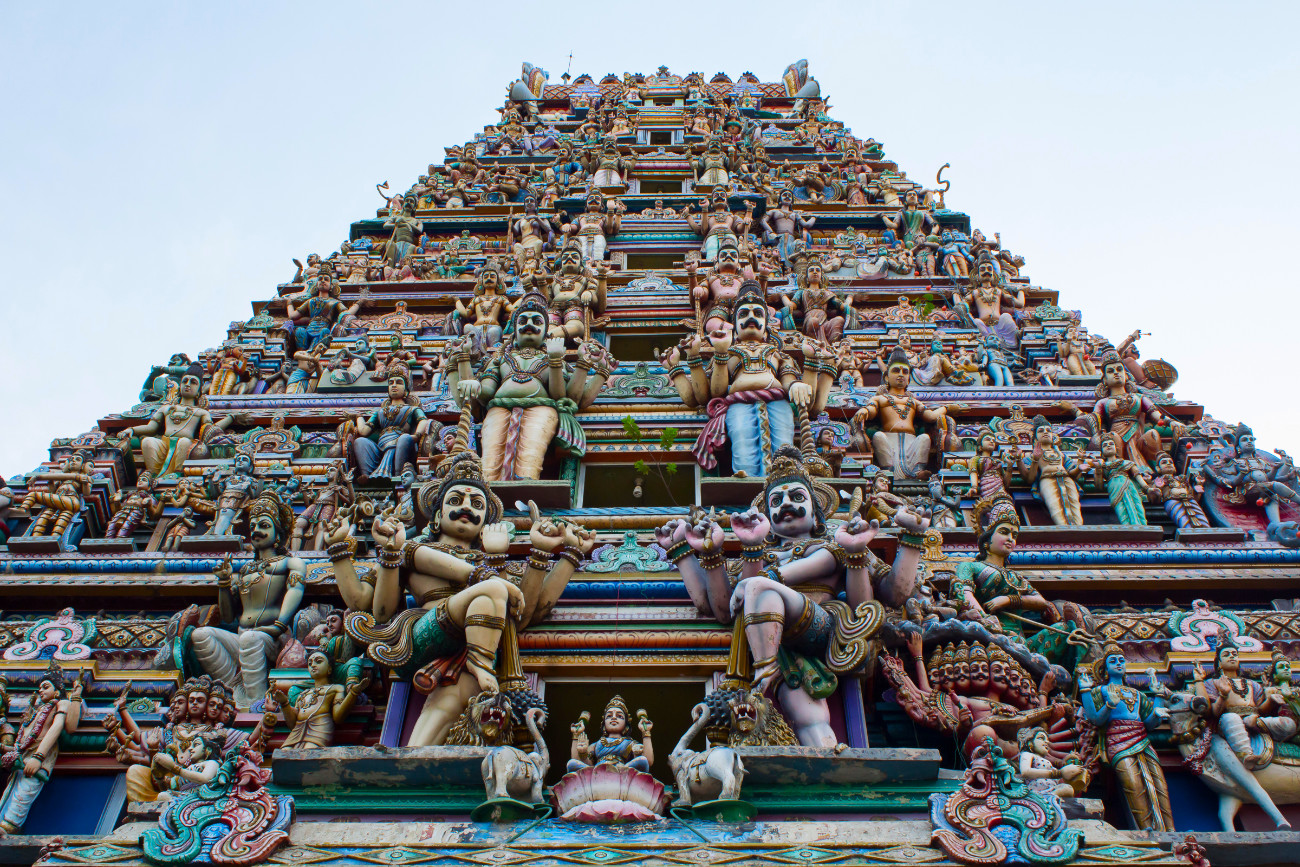
While many travellers tend to skip Colombo, the capital city is a great TEFL location thanks to its job availability and diversity. While this cosmopolitan city is home to a busy expat community, it's rich in Sri Lankan culture through Buddhist temples, local street food, and traditional festivals such as Thai Pongal or Navam Perahera.
As a capital city, Colombo is home to most of the country's teaching jobs, whether you're looking for voluntary positions or top-tier international school jobs. (British Council Colombo, SVS, British Way, and CIS are a few examples.)Beyond teaching, take the train to nearby national parks, or spend the day visiting popular surf spots like Hikkaduwa and Dewata, or UNESCO sites such as Fort Galle.
Teach English in Kandy
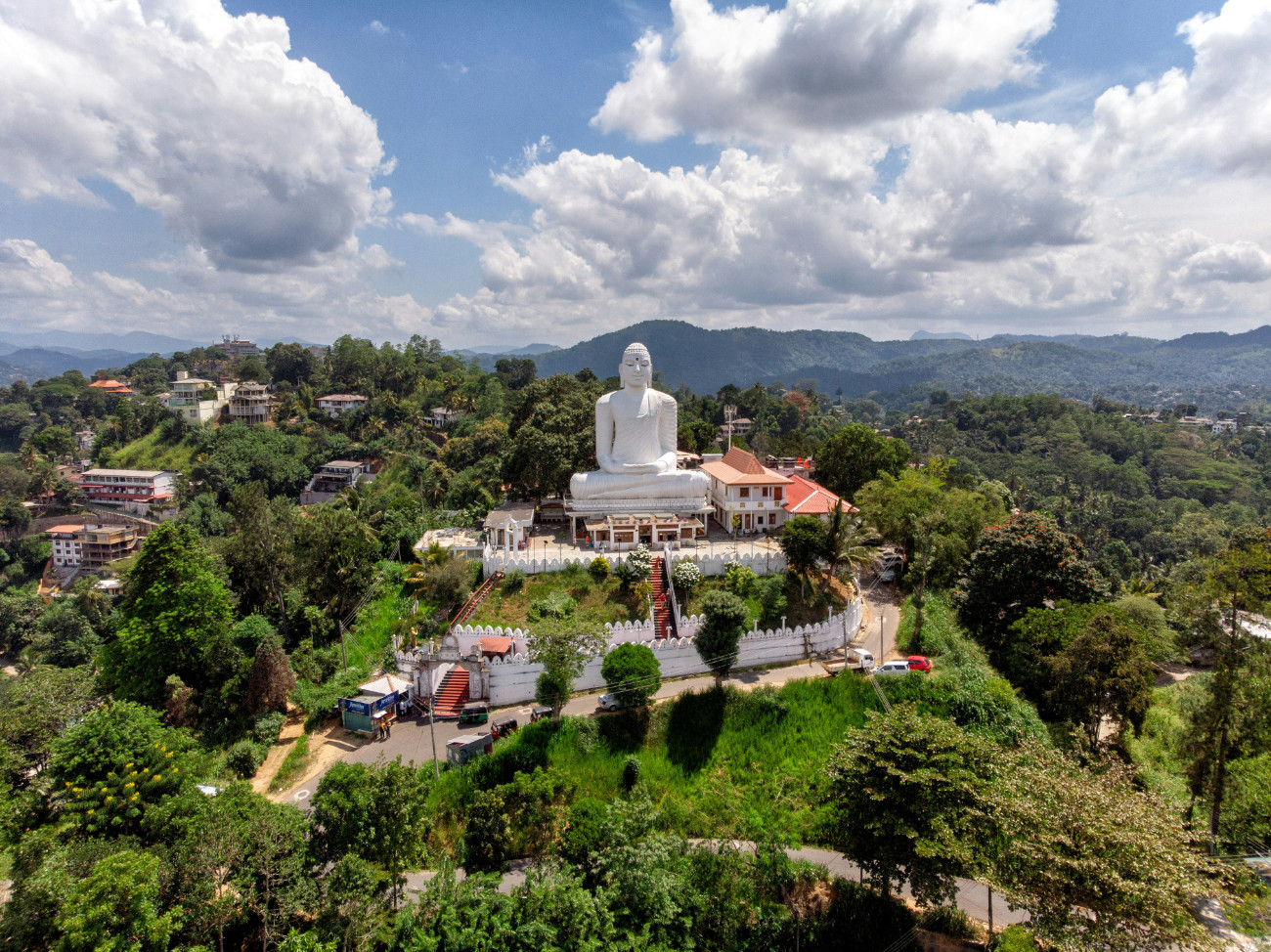
Known as Sri Lanka's cultural capital, Kandy offers a more relaxed teaching environment than the capital. While most roles here are voluntary, you might be able to find some paid opportunities at private schools and international schools, like Darwin, British Council Kandy, IELC, and British Way.
In your free time, you can visit the Tooth Relic Temple, navigate the Udawatta Kele Sanctuary, watch traditional Kandyan dance performances, or take the Kandy–Ella train for a scenic excursion through Sri Lanka's rural areas.
TEFL Org Teacher Stories
Want first-hand insight? Hear from our TEFL Org graduate's life-changing experience teaching English in Sri Lanka!
Melissa
"It is hard to define a typical day in the life of a VESL volunteer in Sri Lanka, as there is so much variety (which is one of many reasons why I love it so much)!
I wake up at 5:30am to the sound of the river gently flowing outside my room.
Kumara, my three-wheeler driver, collects me at 7:10am. I take in the sights around me; beautiful green mountains, rain-sodden paddy fields, buses so full that people are hanging off the sides, small boutiques selling fresh fruit and vegetables, a herd of cows wandering along the middle of the road, and stray dogs roaming the lanes in search of morsels of food.
I arrive at my school, a small rural secondary school with about 400 students and 25 teachers. I'm immediately greeted by dozens of students rushing towards me to say "Good morning teacher!"
Throughout the day, I teach four or five 40 minute long lessons. There are 11 classes in the school and I see most of them three times a week, with pupils aged from 10 to 17 years old. Most of my lessons involve playing lots of games, singing songs and laughing uncontrollably!"
Find out more about Melissa's experience as a TEFL teacher in Sri Lanka, or read other student stories from around the globe!
Ready to Teach English in Sri Lanka?
Ready to teach abroad in Sri Lanka? A TEFL course isn't just your passport to travel — it gives you essential skills in the classroom too. By building your knowledge about teaching methodologies, classroom activities, and group management techniques, you'll gain the confidence you need to be effective in a TEFL classroom — wherever you end up!
Get started with our 120 hour course today.
Frequently Asked Questions
Q. How to become an English teacher in Sri Lanka?
To teach English in Sri Lanka, you'll need a bachelor's degree and a TEFL certificate. You'll need to secure a job before entering the country to work on the correct working visa, known as the Entry Visa.
Q. What is the salary of an English teacher in Sri Lanka?
The average salary for an English teacher in Sri Lanka ranges from ₨30,000–₨440,000 ($95–$1,390 / £70–£1,030) depending on whether you work at a public, private, or international school.
Q. Does Sri Lanka need English teachers?
Sri Lanka does have a demand for English teachers, especially in the capital, Colombo. Many teaching roles come through volunteer programmes, but you can also find paid teaching positions.