


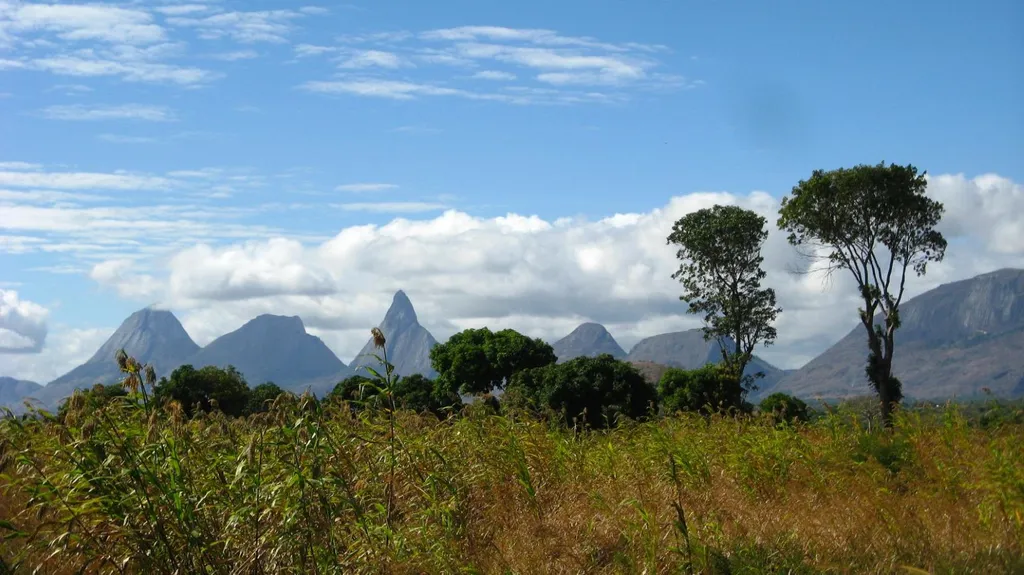
Tucked away on the southeast coast of Africa, Mozambique’s coastline and biodiversity make it a natural haven. But beyond wildlife and scenic landscapes, Mozambique’s mix of Portuguese, Swahili, and Bantu heritage makes it a pocket of cultural variety too.
While Portuguese is the official language, Mozambique is home to 40+ others. And despite a low proficiency score, English is a valuable language in business, education, and tourism & hospitality, creating a high demand for foreign teachers. Read on for The TEFL Org’s guide to teaching English in Mozambique, from the top locations, best jobs, salaries, visa process, and more.
Key Takeaways
- Mozambique’s growing tourism industry and international trading create a demand for English teachers.
- English teachers need a TEFL certification; a bachelor’s degree, experience, and native English proficiency are preferred.
- Teachers in Mozambique can earn around MT 27,000–70,000 ($420–$1,095 / £310–£810) per month, or more at certain international schools.
- Most Mozambique teaching jobs come in the private sector in language schools and international schools.
- Teachers need to find a job before starting the visa application process (which is sponsored by the school).
- Top locations include Maputo and Nampula.
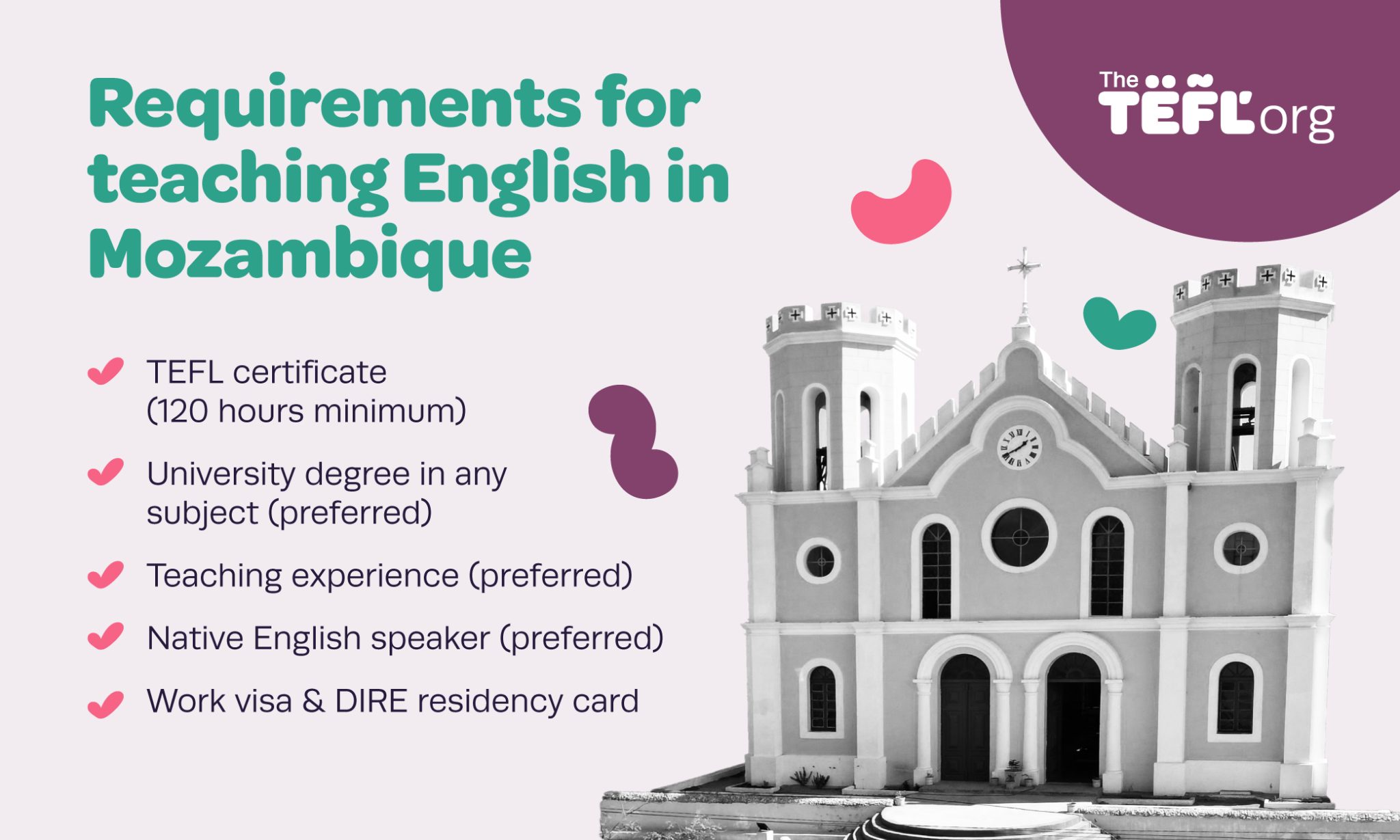
Requirements for Teaching English in Mozambique
Portuguese is the country’s official language, and other spoken languages include the likes of Makhuwa, Changana, Nyanja and Tswa. English is taught as a foreign language in the national curriculum from grade 7, so while it’s a core subject, students start late and English levels are low as a result.
This means that the teacher requirements are relatively flexible when compared to other TEFL locations.
Do I need a TEFL certificate to teach English in Mozambique?
Yes, you need a TEFL certificate to teach English in Mozambique. While you can technically teach without one (legally speaking), most employers require at least 120 hours of TEFL training.
You can study a TEFL course online as long as it’s with an accredited provider (like The TEFL Org), and you can top up your training with an advanced course if you want to teach a specific niche.
Can I teach English without a degree in Mozambique?
Not having a degree won’t stop you from teaching in Mozambique, especially if you have a TEFL certificate.
But while it’s not a legal requirement, teaching English abroad without a degree requires a bit more patience and flexibility in your job search. You’ll need to apply for jobs at schools where employers are welcoming of non-degree holders, and you might need to accept a lower salary.
Do I need teaching experience to teach in Mozambique?
You don’t need teaching experience to find a job in Mozambique. You can teach English without experience as long as you’ve got a TEFL certificate, which shows employers that you’ve studied the essentials of teaching English as a foreign language.
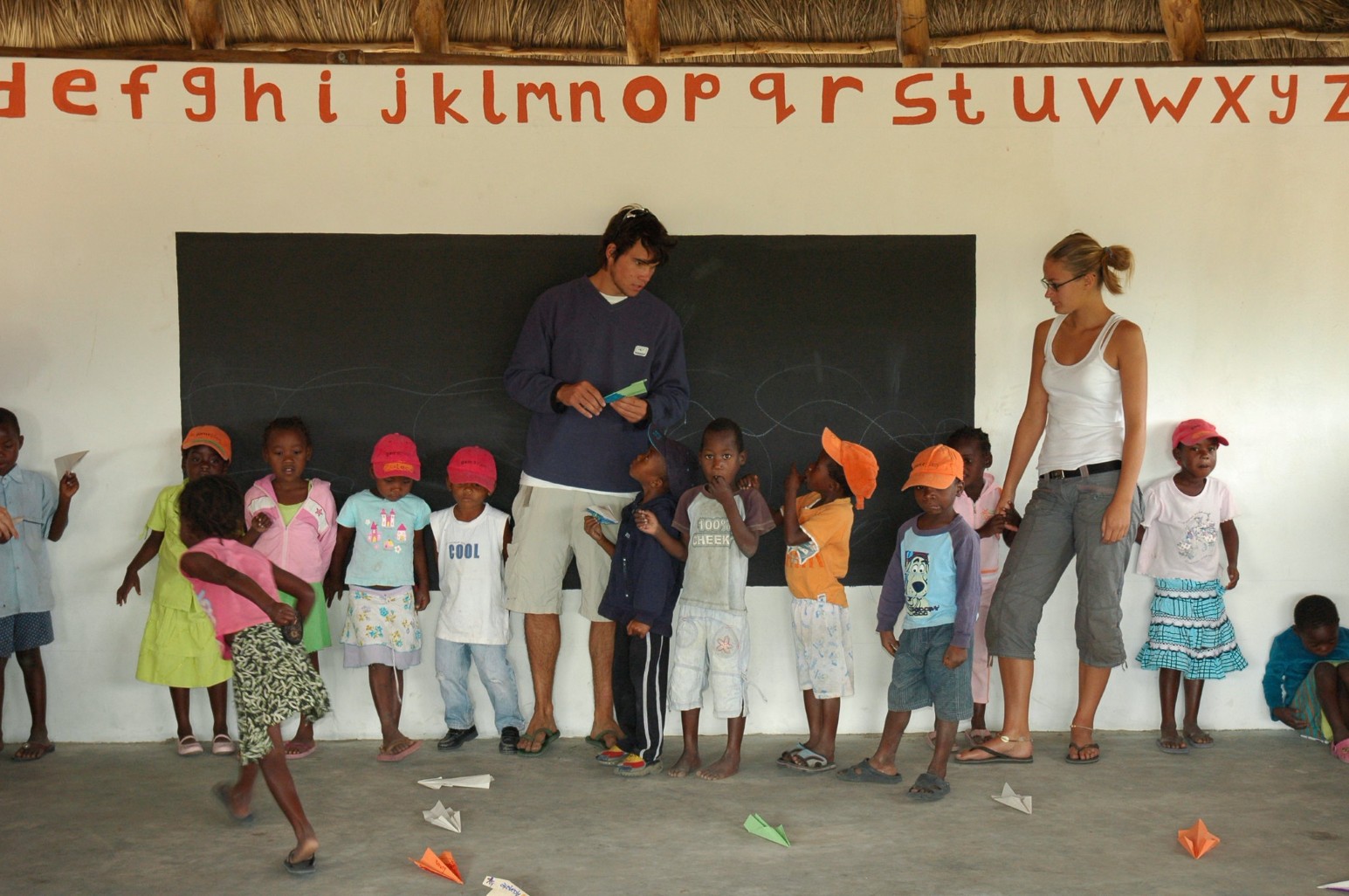
If you’d like to gain experience before finding a job, you can also volunteer as a teacher in Mozambique before looking for jobs with the relevant teaching experience under your belt.
Can I teach in Mozambique as a non-native speaker?
Yes, you can teach English as a non-native speaker in Mozambique. And if you speak Portuguese (their national language), that’s a huge advantage!
But to teach English, you’ll need to prove that you can speak it at a high enough level. In addition to your TEFL certificate, you’ll need a language certificate like CEFR, TOEFL, or IELTS. Or, if you studied at an English-speaking university, you can use this as proof too.
Tip: You don’t need to speak basic Portuguese to teach in Mozambique — but it shows employers that you can communicate with colleagues and are less likely to experience culture shock.
Visa requirements for teaching English in Mozambique
To teach English legally, you’ll need the right visa and work permit. But you’ll need to find a job first, that way, your Mozambican employer can sponsor your work visa application.
Once you’ve got a job and you’ve signed the contract, your employer will apply for your work permit with the Ministry of Labour, and then you can apply for your work visa on the eVisa website or at a local embassy or consulate. After arriving in Mozambique, you’ll need to apply for a DIRE residency card.
To apply, you’ll need the following documents:
- Proof of job contract with Mozambican employer
- Copies of the official documents of the employer
- Clear criminal background
- Health certificate showing that you’re healthy enough to work
- Valid passport
Download our guide to teaching English in the Middle East & Africa
Everything you need to know about teaching English in the Middle East and Africa
Salary and Cost of Living
You can’t get the whole picture with just the teacher salary, you need to consider the cost of living to understand what lifestyle and savings you can make as a teacher in Mozambique.
How much can you earn teaching English in Mozambique?
Teaching English in Mozambique isn’t a lucrative opportunity, but you can still live comfortably here. English teachers in Mozambique earn around MT 27,000–70,000 ($420–$1,095 / £310–£810) per month depending on teaching qualifications and experience.
If you’ve got a university degree in English or education, a teaching licence, and years of classroom experience, you can earn a higher salary. Jobs at international schools are particularly well-paid, with many teachers aiming towards these schools as an end-goal.
How much does it cost to live in Mozambique?
While Mozambique is around 50% cheaper than the US or the UK, some things are surprisingly expensive because of factors like its reliance on imports, luxury tourism, and its out-of-the-way location (which can complicate transport).
You can expect to spend around MT 73,500–79,560 ($1,150–$1,245 / £850–£920) per month living in Mozambique, including rent, food, entertainment, and more. But salaries can be low for TEFL teachers, so you’ll need to budget appropriately if you want to save up.
Here’s how you can get more bang for your buck while living comfortably in Mozambique:
- Eat like a local: Eating like a local is a great way to sample the culture and spare your wallet. Going to local eateries (or barraca in Portuguese) instead of western restaurants will save you plenty of money in the long run.
- Buy a water filter: Tap water isn’t recommended for drinking, so instead of repeatedly buying bottled water, consider buying a filtered water bottle. Or, you can go for an accommodation that has filtered tap water.
- Live outside the city centre: Whether you’re in Maputo, Nampula, or Matola, living outside the city centre can save you up to MT 10,000 ($155 / £115) per month. In addition, you’ll see more of the culture and live like a local outside tourist hotspots.
English Teaching Jobs in Mozambique
Mozambique’s national curriculum includes English as a foreign language, but students don’t spend enough time to master the language. Because of this, some students look for extra lessons beyond the public education system.
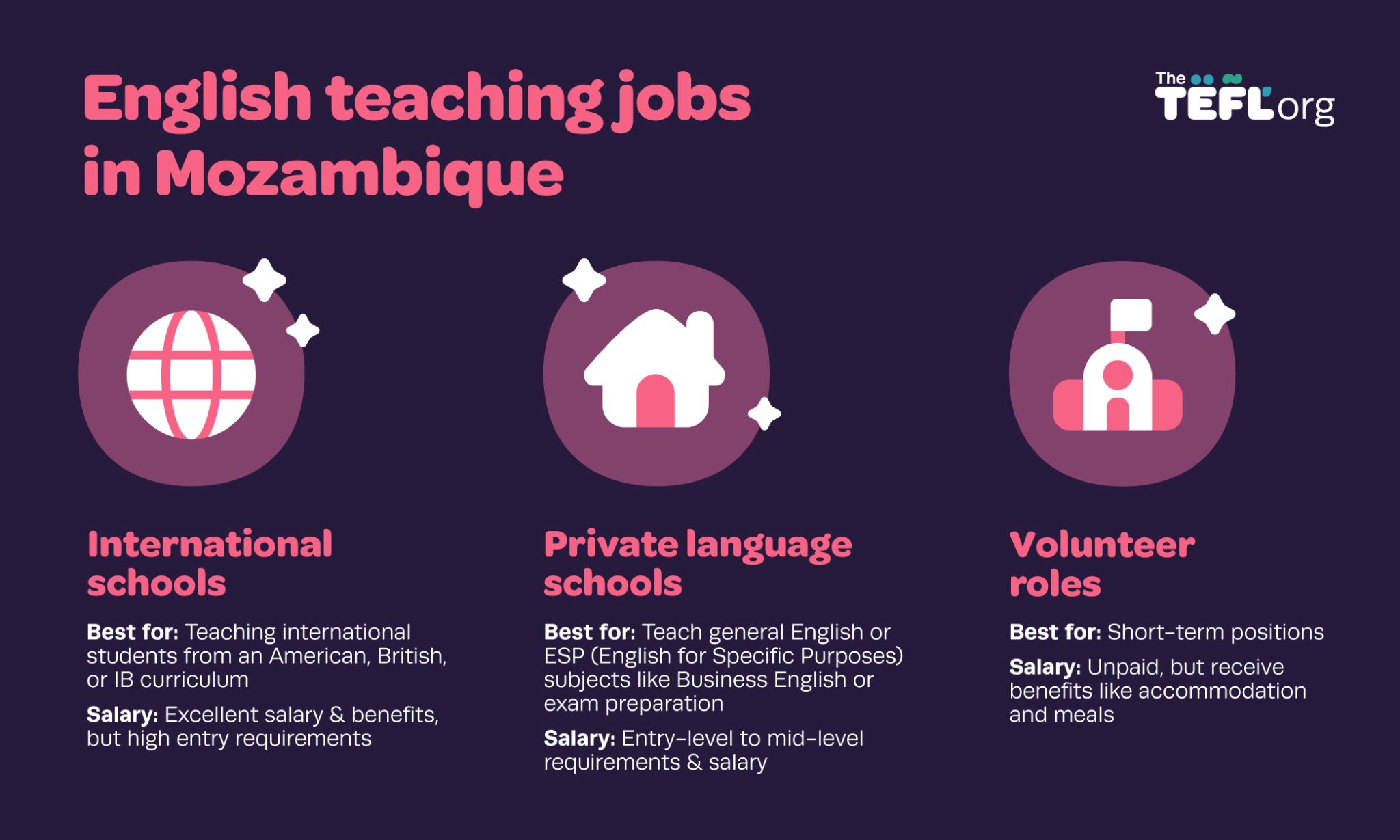
The school year is February–December, so if you’re planning to apply for jobs at public or international schools, you’ll need to time your application. But most public school jobs are reserved for locals (unless you’re volunteering), so foreign teachers will find most luck in the private sector at international schools or private language centres.
You can find teaching jobs in Mozambique through job boards like The TEFL Org Jobs Centre or by applying directly to schools on their website.

Public schools
Public school jobs are generally reserved for local teachers, but you can still find work here as a volunteer. Generally speaking, English levels are lower at public schools, and classroom facilities are modest compared to private schools.
What to expect at public schools in Mozambique:
- Large class sizes
- February–December calendar
- Modest classroom facilities
- Following the national curriculum
Private language schools
Private language schools or language centres cater to students who have a specific goal in mind. For those looking to study abroad, they might study academic English or exam preparation, while workers at international companies might study business English. These schools are usually placed in urban areas like Maputo and Beira.
What to expect at private language schools in Mozambique:
- Small class sizes
- Evening and weekend classes
- Emphasis on ESP (English for Specific Purposes) subjects
International schools
International schools in Mozambique offer the best salary and benefits for teachers, but entry requirements are very high. At these schools, you’ll teach international students (and local students from high-income families) from an international curriculum — usually American, British, or IB. Tuition fees are high, which means expectations are also very high. Teachers usually need a bachelor’s or master’s degree, teaching licence, and previous teaching experience.
What to expect at international schools in Mozambique:
- Small class sizes
- Excellent standard of English
- Teaching international students from a foreign curriculum
- Excellent salary and benefits, but high expectations
Teaching English in Major Cities
From the eastern Indian Ocean coastline to the western mountains inland, there are plenty of unique locations for teachers.
Here are the top cities to consider for English teachers in Mozambique.
Teach English in Maputo
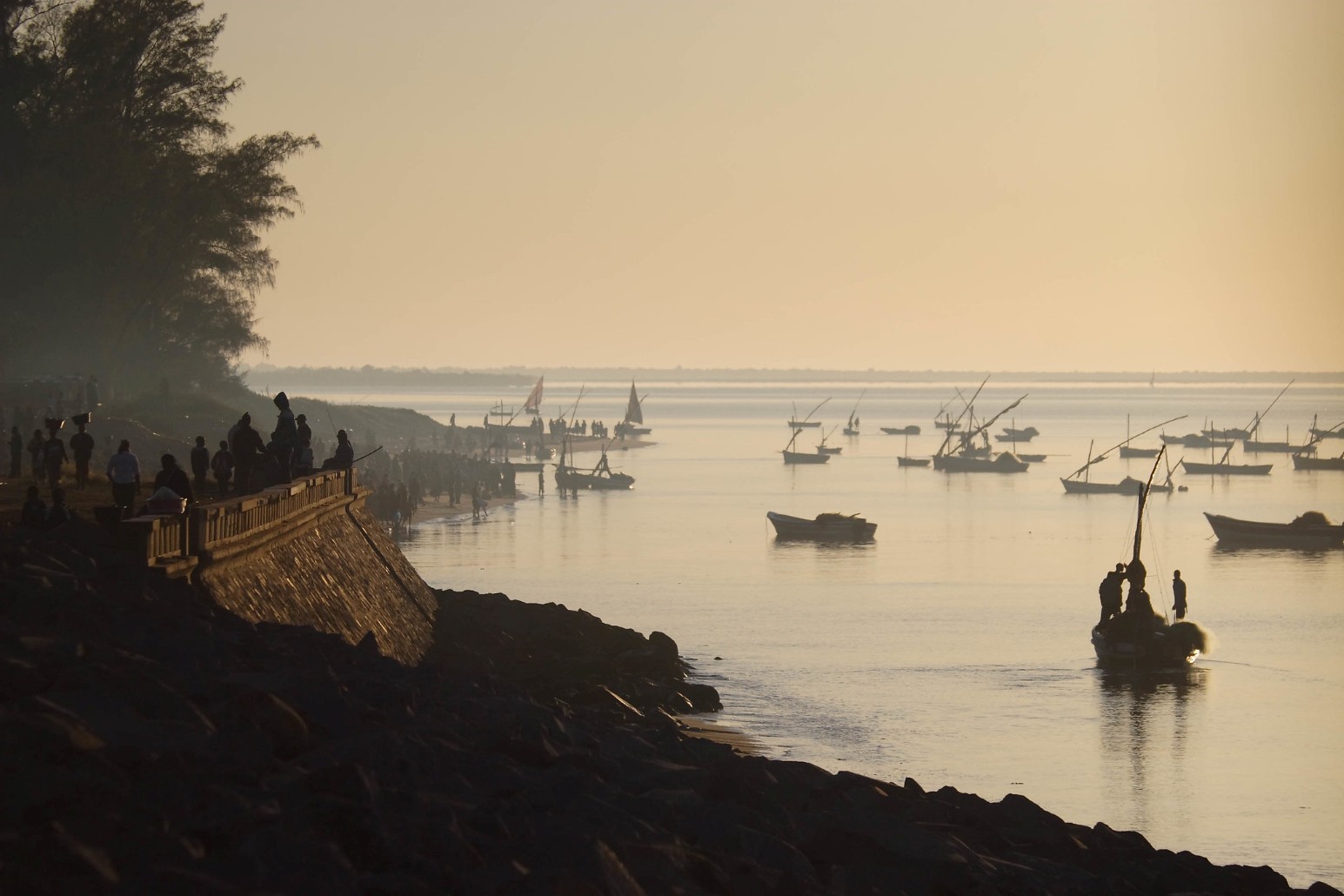
Mozambique’s capital is located in the southwest on the Indian Ocean. So you’re not just getting a busy capital city, you can absorb a multicultural and coastal lifestyle too. It’s also becoming a hub for the LGBTQ+ community, too!
Its capital city status and population of 1+ million (2.7+ million if you include the wider area) creates plenty of teaching opportunities from language centres to international schools and more.
When you’re outside the classroom, you can eat delicious seafood, hit the beach, and embrace its diversity formed by centuries of trading with people from Europe, Africa, and Asia. Or, head to Maputo National Park, which is a UNESCO World Heritage Site.
Teach English in Nampula
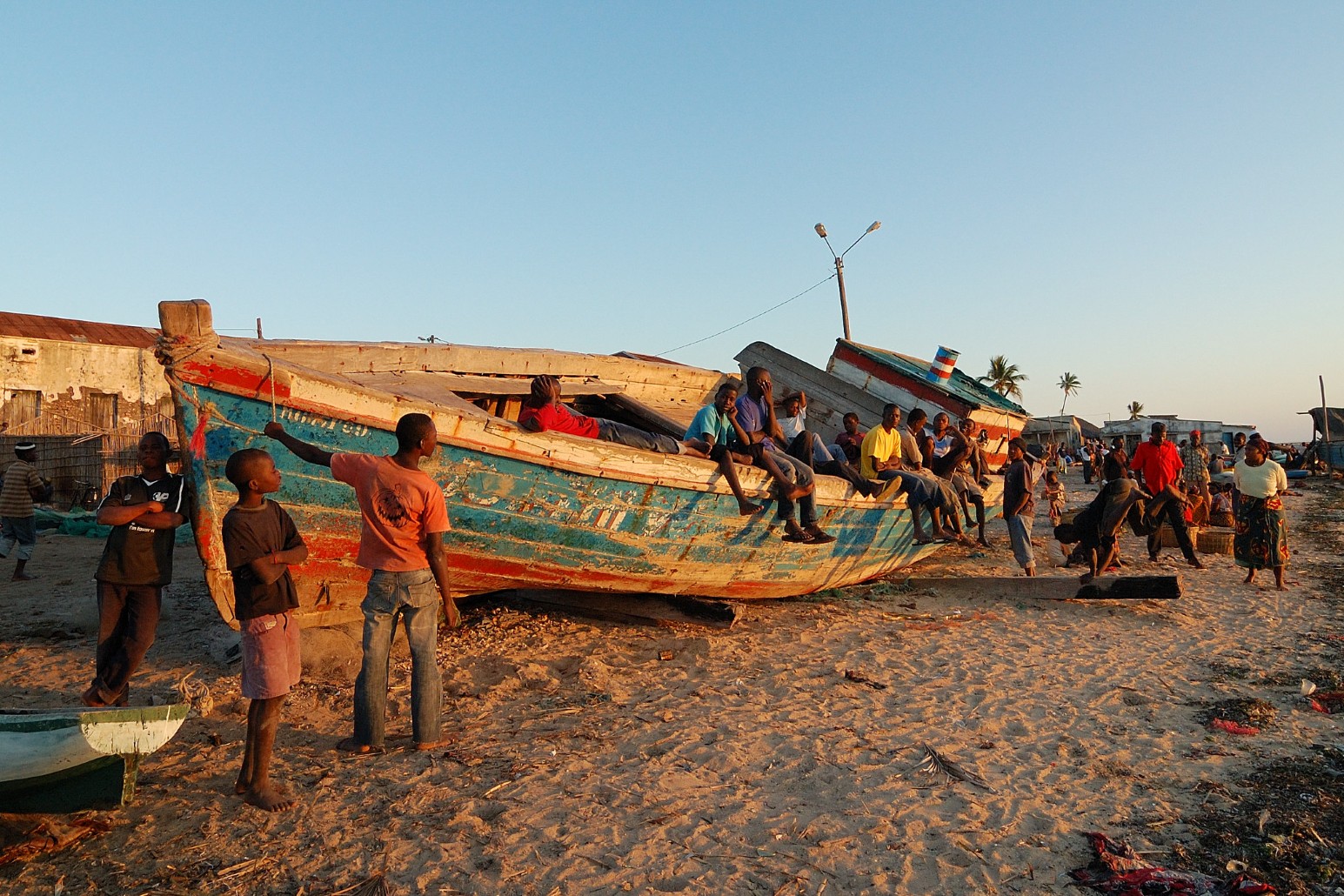
Maputo might be the capital city, but Nampula is recognised by locals as the capital of the north.
With just a slightly lower population, Nampula gives Maputo strong competition when attracting English teachers. From language centres to international schools and plenty of students looking for private tutors, English teachers have plenty to choose from.
Beyond the classroom, there’s more to do. From the Cathedral of Our Lady of Fatima and the National Ethnographic Museum to Nacala Bay or the Island of Mozambique a few hours east, Nampula’s a great spot to launch your TEFL career in Mozambique.
Ready to Teach English Abroad? Don’t Forget Your TEFL Certificate
Before you board your flight to teach English abroad, you need to be TEFL certified first. While it’s something that employers look for on a teacher’s CV/resume, it’s also an important step towards developing essential skills in the classroom. From classroom management skills, lesson planning, teaching grammar and other complicated structures, you’ll become confident in your abilities to teach English language skills with a TEFL course.
Get started today with our 120-hour TEFL course.
Frequently Asked Questions
Q. How much are teachers paid in Mozambique?
English teachers in Mozambique earn around MT 27,000–70,000 ($420–$1,095 / £310–£810) per month, or more if they work at reputable international schools.
Q. Which country in Africa is best to teach English?
There is no “best” country for teaching English in Africa, it depends on what your goals are. While Morocco and South Africa offer some of the best salaries in Africa, both offer very different cultural experiences.
Q. How can a foreigner get a job in Mozambique?
To get a job in Mozambique, you’ll need to become TEFL certified. You’ll then need to apply for jobs, and once you have a teaching position confirmed, you can start your visa application.
Q. Is English language spoken in Mozambique?
English is spoken in Mozambique, but not widely or at a high level. You’ll hear it in large cities, but Portuguese and Bantu languages are the predominant languages.