





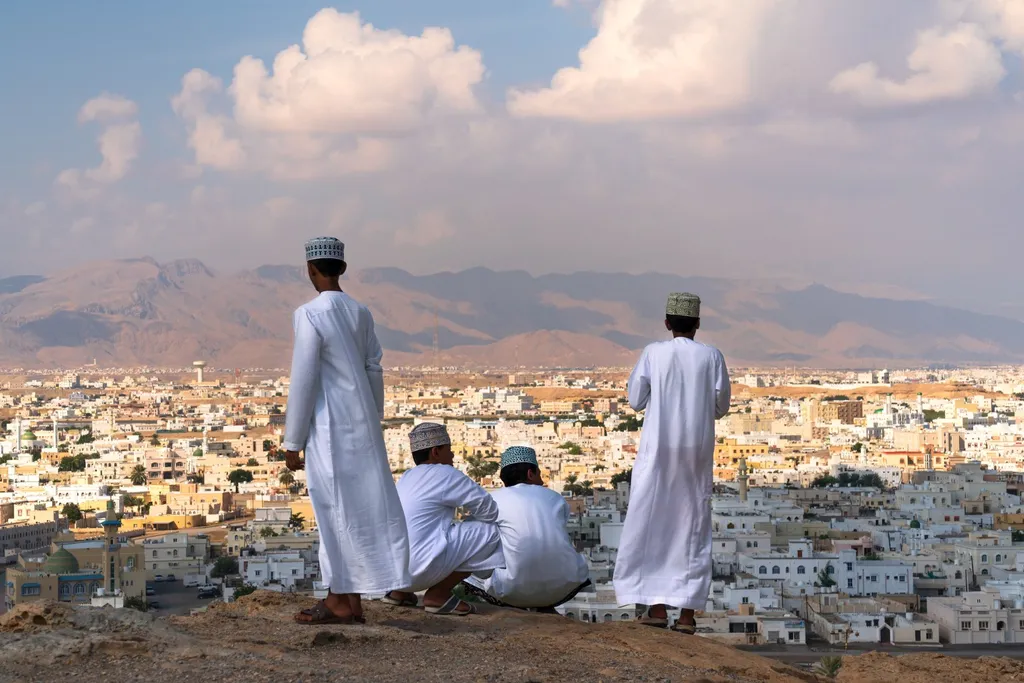
While oil is a major commodity, Oman isn’t like other countries in the Middle East. It’s a very wealthy country — but without skyscrapers dominating the horizon. Its commitment to landscape and nature reserves, sustainability goals, and foreign policy of “friend to all, enemy to none” creates a serene spot for teachers. And while it follows strict religious traditions, its dominant religion (Ibadi Islam) emphasises tolerance and peace.
It’s also an important trade route, and English-speaking workers are essential to the economy. On top of this, Oman offers some of the highest teaching salaries in the world (and it’s tax-free!). Read on for The TEFL Org’s guide to teaching English in Oman, from the best jobs, visa requirements, salary expectations, top cities, and more.

Key Takeaways
- There’s a high demand for English teachers in Oman, with jobs at public schools, international schools, language centres, and universities.
- The teaching requirements in Oman are strict; a TEFL certificate isn’t enough by itself.
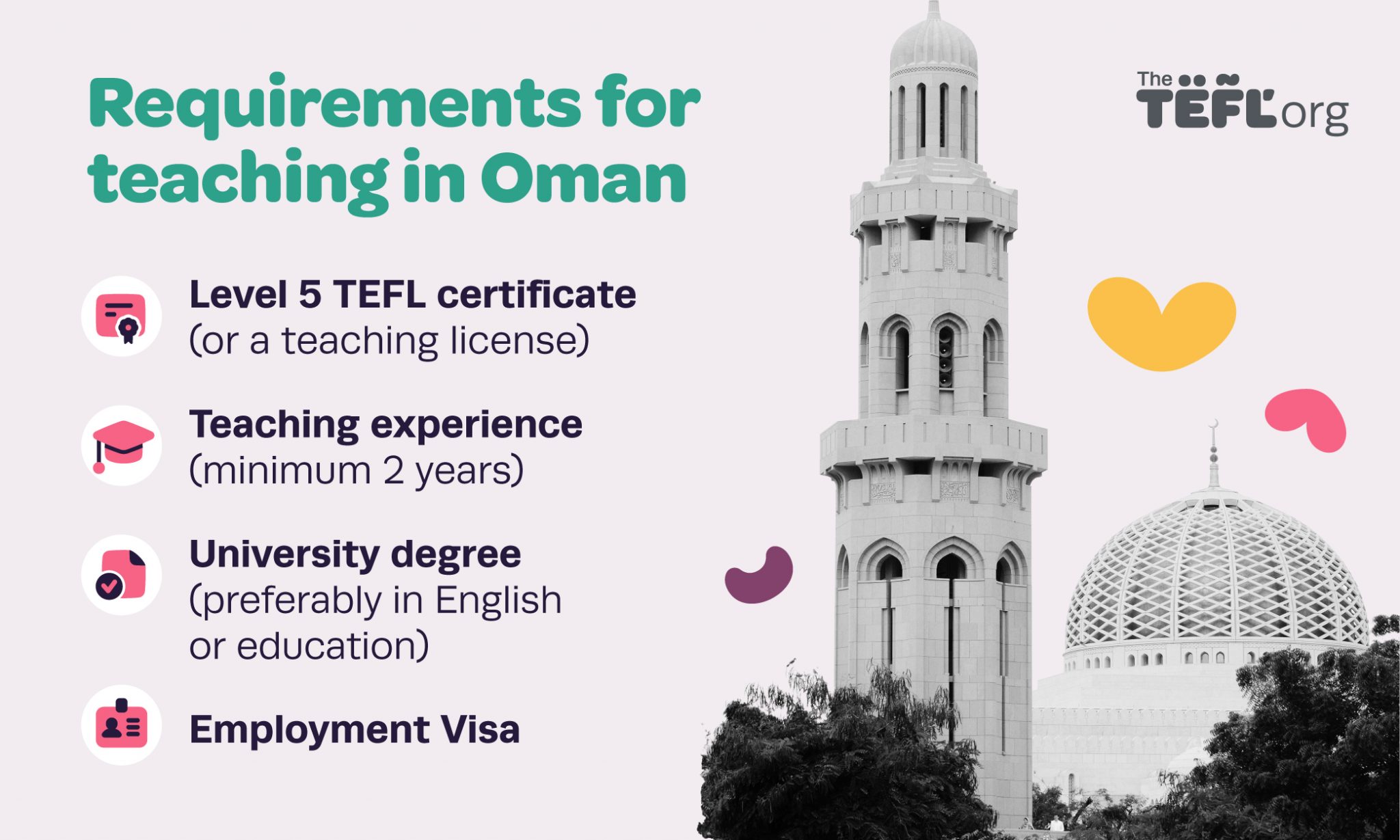
- You’ll need at least a Level 5 TEFL course or a teaching licence and a bachelor’s degree, and 2 years of experience is preferred.
- English teachers earn around OMR 850–1,500 ($2,210–$3,900 / £1,640–£2,890) — tax-free!
- Teachers need an employer-sponsored work visa to teach in Oman legally.
- Top locations in Oman include Muscat and Salalah.
Requirements for Teaching English in Oman
In Oman, students start learning English as a foreign language from the first grade, so there’s plenty of emphasis on English education in the national curriculum. Beyond that, many private schools use or teach English as a main language alongside Arabic.
So while there’s a high demand for English teachers, they also set high standards too. Here’s everything you need to know about the requirements for teaching abroad in Oman.
Do I need a TEFL certificate to teach English in Oman?
Having a teaching certificate is essential to teaching English in Oman, and a 120-hour TEFL certificate isn’t enough in most cases. Most schools in Oman expect at least a postgraduate teaching licence or a Level 5 TEFL course with a couple of years of teaching experience.
Do I need a degree to teach English in Oman?
Yes, you need a degree to teach English in Oman — it’s a legal requirement, so there’s no getting around it. If you’ve got a bachelor’s degree in education, English, or childhood studies, you can negotiate a higher salary.
Some employers (like at private international schools) list a master’s degree as a requirement. But generally, a degree in any subject is enough to teach English in Oman.
Don’t have a degree? You can still teach English without a degree in Europe, Latin America, Asia, and beyond.
Do I need teaching experience to teach in Oman?
The Middle East isn’t an entry-level friendly market. Teaching experience goes a long way in Oman, with most employers looking for teachers carrying at least 2 years of classroom experience under their belt.
But don’t worry, there are plenty of other countries where you can teach English abroad without experience.
Can I teach in Oman as a non-native speaker?
Some employers strictly require teachers from a native English-speaking country (like the US, UK, Australia, New Zealand, Ireland, or South Africa), but others accept non-native speakers with a language certificate.
To teach abroad as a non-native speaker in Oman, you’ll need to show proof through a certificate like IELTS, TOEFL, CEFR, or equivalent (among the other requirements).
Visa requirements for teaching English in Oman
Countries in the Middle East are strict about visa requirements, and you’ll need to get the work visa to legally teach English in Oman. But first, you need to find a job, and then your employer will sponsor your application and you’ll arrive with the correct visa and work permit.
After you arrive, you’ll need to complete a medical test and register for an ID card within 30 days.To qualify for the visa and work permit, you’ll need the following:
- Signed job contract with employer in Oman
- Proof of academic and professional qualifications
- Clear criminal background check
- Passport with at least 6 months validity after contract end-date
Download our guide to teaching English in the Middle East & Africa
Everything you need to know about teaching English in the Middle East and Africa
Salary and Cost of Living
Oman is one of the highest paying teaching destinations, but you can’t consider the salary alone. Here’s everything you need to know about the teacher salary, living expenses, and how much you can expect to save.
How much can you earn teaching English in Oman?
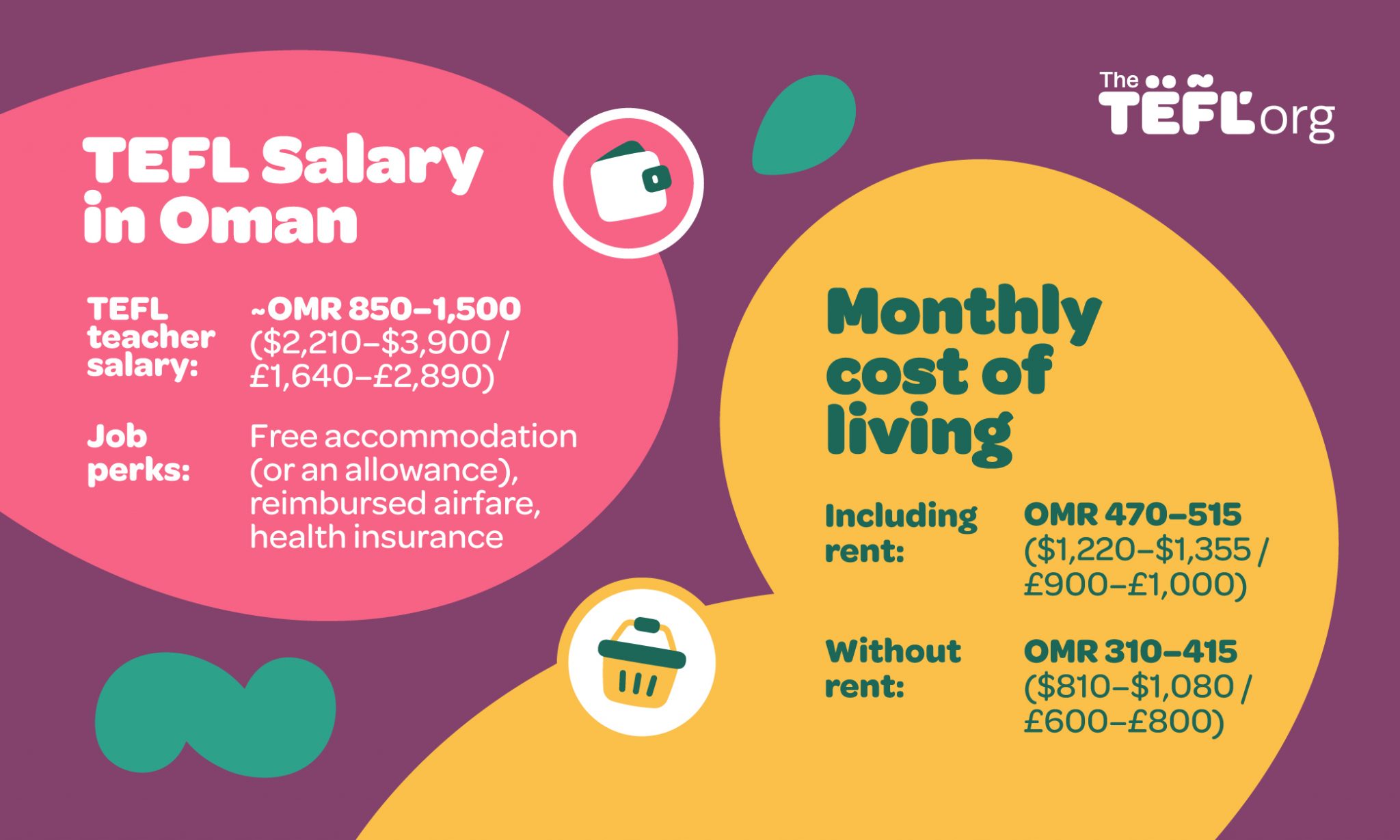
Not only is the teaching salary in Oman lucrative, it’s tax-free! That’s right, you can earn around OMR 850–1,500 ($2,210–$3,900 / £1,640–£2,890) per month without paying a penny in tax. University and international school teaching jobs offer the highest salaries, but teachers also have higher expectations to meet.
But it’s not just a high salary you’ll receive — many teaching jobs come with benefits like free accommodation (or an allowance), reimbursed airfare, and medical insurance.
How much does it cost to live in Oman?
Compared to the UK or US, Oman’s cost of living is around 30–40% lower. A single person spends around OMR 470–515 ($1,220–$1,355 / £900–£1,000) per month living in Oman.
But here’s the thing — a huge chunk goes towards accommodation. If you find a job that offers free accommodation (or an allowance), you can expect to spend around OMR 310–415 ($810–$1,080 / £600–£800) per month, allowing for excellent saving potential.
If you want to maximise your savings as a teacher in Oman, here are our top tips:
- Be flexible with location: You might have your eyes set on the capital, Muscat, but while salaries are likely to be higher here, other cities like Sohar and Salalah offer lower costs of living.
- Live outside the centre: In Muscat, for example, you can save up to around OMR 80 ($205 / £150) per month living outside the city centre.
- Look beyond salary: Salary isn’t everything, especially in a country where teaching jobs often cover expenses like accommodation and flights.
- Eat like a local: It might be tempting to eat at Michelin-star restaurants, but eating local cuisine will save you plenty of money in the long run.
- Limit alcohol: As a Muslim country, drinking alcohol in public is prohibited, but you can still drink alcohol at hotels or certain bars. Just remember that alcoholic drinks are pricey in Oman!
| Restaurants | OMR | USD | GBP |
|---|---|---|---|
| Inexpensive restaurant meal | |||
| Domestic beer (0.5 litre) | |||
| Regular cappuccino | |||
| Water (0.33 litre) | |||
| Markets | OMR | USD | GBP |
| Regular milk (1 litre) | |||
| Loaf of white bread | |||
| Regular eggs (1 dozen) | |||
| Apples (1 kg) | |||
| Transportation | OMR | USD | GBP |
| One-way ticket (local transport) | |||
| Monthly pass (regular price) | |||
| Taxi start (normal tariff) | |||
| Gasoline (1 litre) | |||
| Utilities | OMR | USD | GBP |
| Electricity, heating, cooling, water, and garbage (for a regular apartment) | |||
| Regular prepaid monthly mobile tariff with 10GB+ data | |||
| Internet (60 Mbps, unlimited data, cable/ADSL) | |||
| Clothing and shoes | OMR | USD | GBP |
| Pair of jeans (Levis 501 or something similar) | |||
| Summer dress in a chain store | |||
| Nike running shoes (mid-range) | |||
| Men's leather business shoes |
English Teaching Jobs in Oman
English teaching jobs in Oman exist in both public and private schools, but teachers might find most luck in the private sector.
The school year runs from September–June, so be sure to time your application well in advance if you’re looking at public or international school jobs. But if you’re looking to teach in a private language school, they’re often more flexible and hire year-round.
Student ages vary depending on your English teaching jobs, so it’s worth considering whether you want to teach young learners, teenagers, or adults. You can find most jobs by applying directly to schools or using platforms like The TEFL Org Job Centre.
And don’t forget — Oman’s weekend is on Friday and Saturday!Public schools
With a strong emphasis on English education in Oman, public school jobs range from kindergarten to secondary school. Unlike in other countries, public schools in Oman are usually gender-specific, and employers often prefer teachers of the same sex as who they’re teaching. Most lessons are in Arabic, but students learn English as a foreign language from grade 1.
What to expect at public schools in Oman:
- Same-sex gender classrooms
- Larger classroom sizes than private schools
- High salary and benefits like public holidays (6–12 weeks per year)
- ~20–25 teaching hours per week
Private language schools
Private language schools cater to a wide age range of students, from young learners studying extra English classes after school to professionals improving their workplace English skills. Because of this, it’s handy to have additional experience or qualifications in subjects like teaching young learners, Business English, or exam preparation.
Typically, these schools offer the lowest salaries (unless you’re teaching English to corporate students), but the entry requirements are much more flexible, and they often hire all year.
What to expect at private language schools:
- Evening and weekend classes
- Small class sizes, wide range of student ages
- Focus on English for Specific Purposes (ESP)
- Year-round hiring
International schools
With a strong international presence, Oman has many international schools, with around 40 international schools in Muscat alone!
Expats send their children to learn from a British or American curriculum instead of public education, but sometimes local students also join these schools to improve their career prospects abroad. Tuition fees are high, which leads to excellent salaries and benefits, but teachers have high expectations set before them.
What to expect at international schools in Oman:
- Teaching international students
- Following an American, British, or IB curriculum
- Excellent classroom facilities
- High salary, but also high entry requirements
- ~20–25 teaching hours per week
Universities
Teachers with advanced qualifications like a PhD and previous teaching experience can find work as a professor at a university in Oman, and many local students study their degrees in English to open up career opportunities abroad. As a professor, there’s more emphasis placed on academic research, mentorship, and career guidance than at a traditional school.
What to expect at universities in Oman:
- Lecture-based teaching
- Emphasis on academic research and mentorship
- Fewer contact hours, but more preparation
- Excellent salary and benefits, but very strict entry requirements
Teaching English in Major Cities
Wherever you go in Oman, it’s important to be respectful of the conservative culture. But that doesn’t mean you can’t enjoy yourself and have a fantastic experience outside the classroom. Here are some of the best cities to consider for English teachers in Oman.
Teach English in Muscat
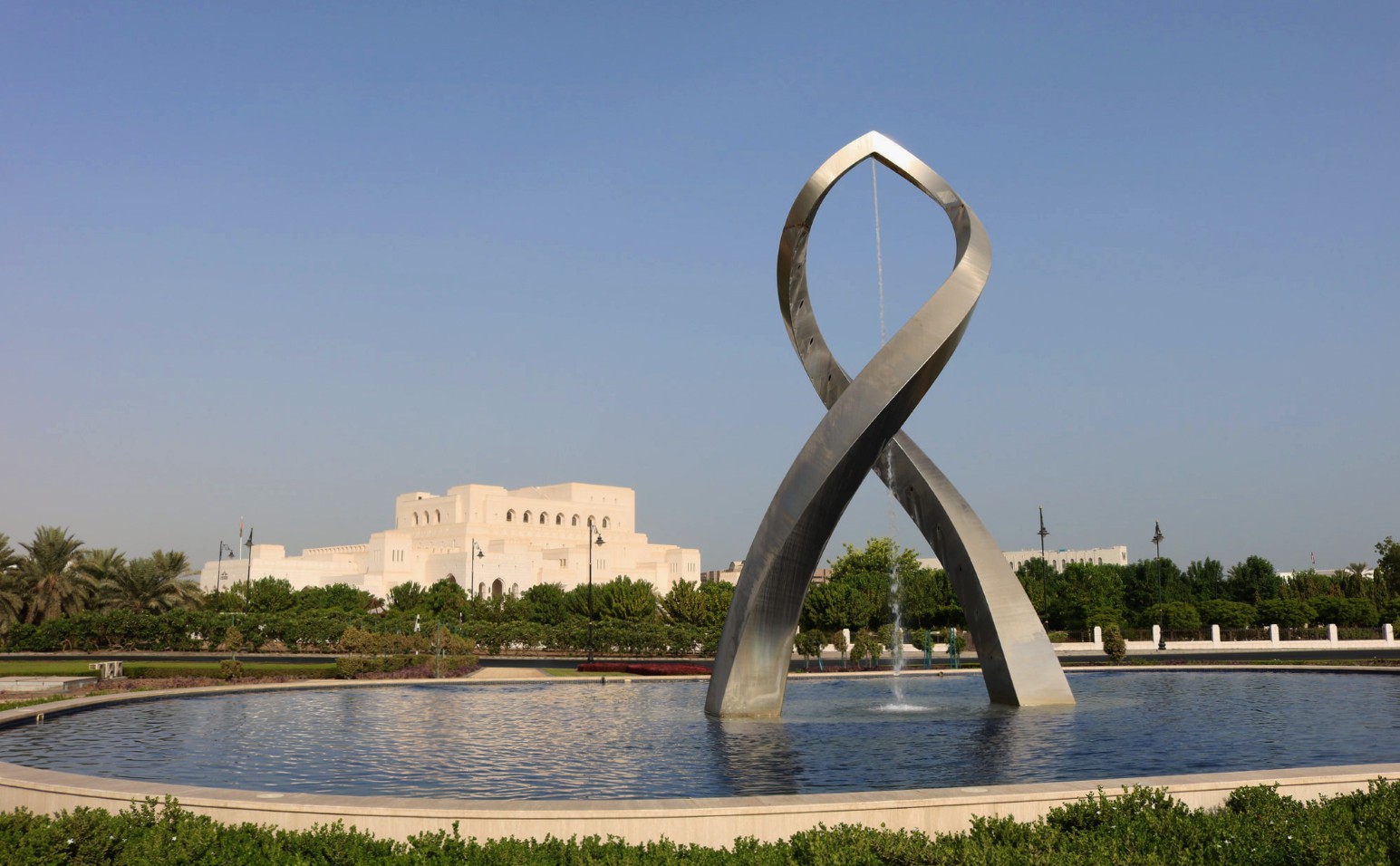
While the rest of Oman deserves attention, Muscat is where most of the action is for TEFL teachers.
As an important trading port since the 1st century AD, Muscat has kept its economic and cultural significance in Oman. Home to the Muscat Securities Market and offices from major corporations from around the world, it’s where you’ll find the most opportunity.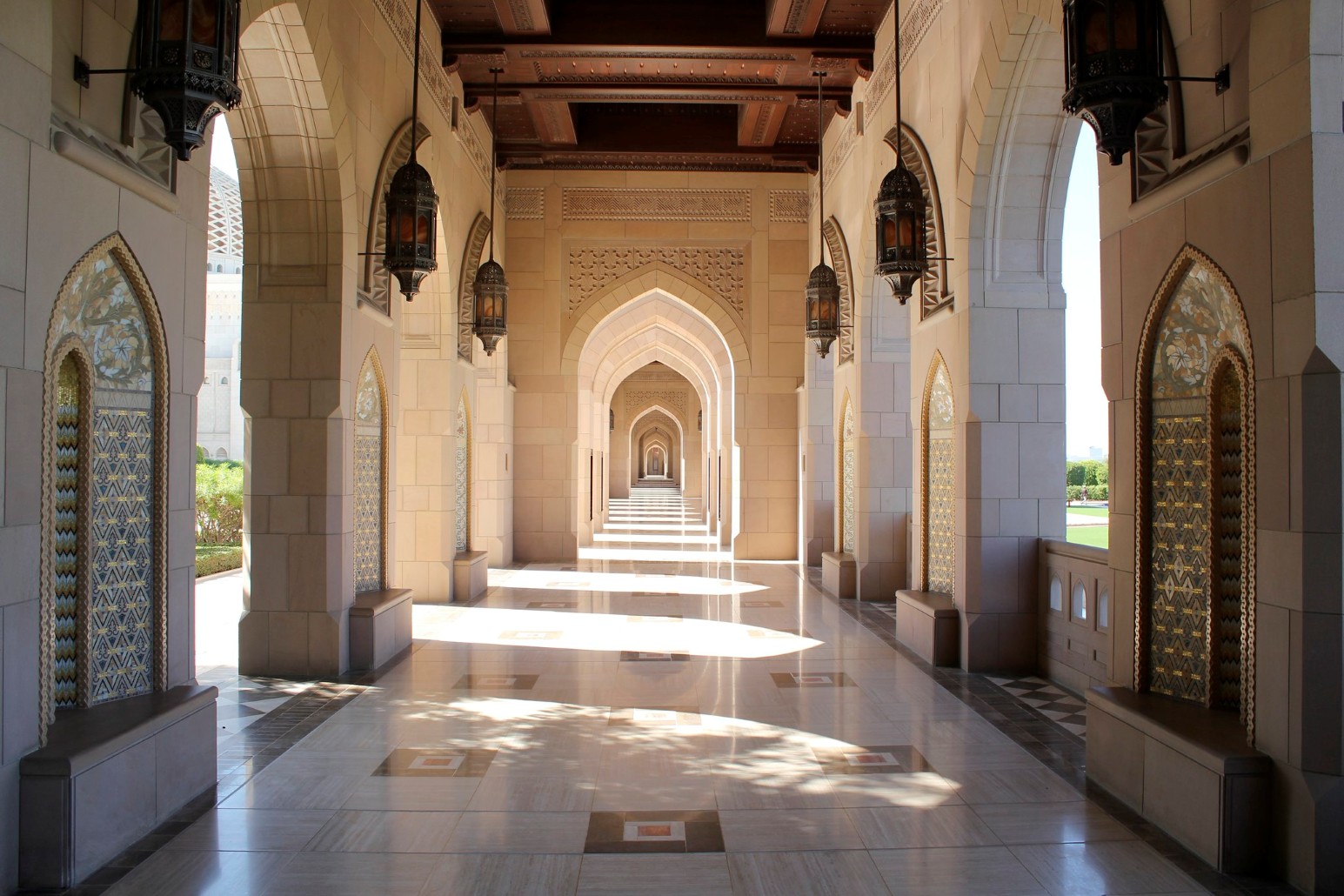
The capital city hosts the bulk of Oman’s private language schools, international schools and universities. But there’s plenty to enjoy beyond teaching, from attractions like Old Muscat, the Royal Opera House, and the remarkable Sultan Qaboos Grand Mosque.
Teach English in Salalah
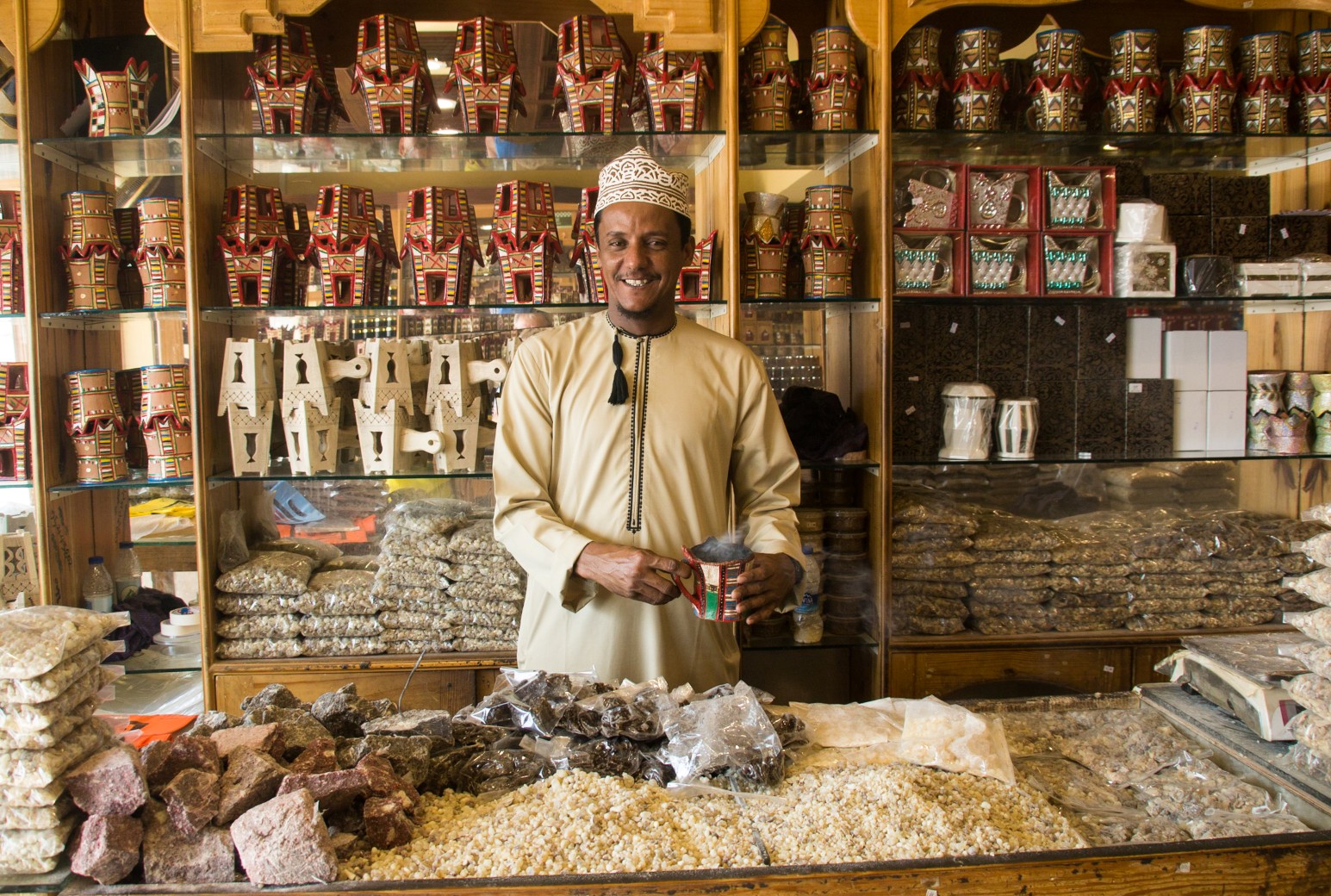
The capital of Oman’s southern Dhofar province, Salalah is a coastal hub known for its long beaches, banana plantations, and green landscapes. Although it’s much smaller than Muscat and has a lower population, it’s still a fantastic place to consider launching your teaching career in Oman.
With international schools, English language centres, and more, there are plenty of opportunities waiting for teachers in Salalah. But beyond the classroom, there’s plenty to do. From Mughsail Beach to Al Haffa Beach, Salalah is a swimmer’s (or sunbather’s) paradise. If you’re into hiking mountain peaks, Jebel Samhan will grab your attention. But if you want to take it slow, Salalah is home to plenty of high-quality restaurants, resorts, and international bars.
Tip: Watch out for the seasonal monsoon (called Khareef) from June–September!
Ready to Teach English Abroad? Don’t Forget Your TEFL Certificate
Before you launch your career teaching English abroad, you’ll need your TEFL certification. While a TEFL certificate opens up teaching opportunities across the world, you’ll also benefit by developing skills and confidence in the classroom. Even if you don’t have prior teaching experience, you’ll gain essential classroom skills by completing a TEFL course.
Whether you want to teach English in the Middle East, Asia, Africa, or Europe, most teaching jobs require some form of teacher training. Get started today with our Level 5 TEFL course or the 120-hour TEFL course.
Frequently Asked Questions
Q. How much do English teachers earn in Oman?
English teachers in Oman can earn around OMR 850–1,500 ($2,210–$3,900 / £1,640–£2,890) per month, but it varies depending on experience, qualifications, and job type.
Q. Is Oman a good place for teaching abroad?
Oman is a good place to teach especially if you’re after a high salary, teaching benefits, and career progression. But such a place comes with high requirements for teachers.
Q. Can non-natives teach English in Oman?
Native English speakers are generally preferred, but non-native English teachers can still teach in Oman. In addition to a teaching certificate, degree, and experience, they need to prove their English proficiency in the form of a language certificate like IELTS, TOEFL, or CEFR.