









Beyond alpine hikes, Oktoberfest, and foamy beer steins, TEFL teachers can find an excellent work-life balance in Germany. But a strong education system means that many Germans already speak English to a good level, so you'll need to prepare before you come to teach here.
While the demand is lower than in neighbouring countries, that doesn't mean that you can't forge a career teaching in Germany. Read on for The TEFL Org's guide on teaching English in Germany, from the requirements, visa process, salary expectations, and more.
Key Takeaways
- English proficiency rates are high in Germany, but teaching jobs exist for foreign teachers.
- Teachers generally need a TEFL certificate and a degree depending on the teaching job they want.
- English teachers earn around €1,500–€3,000 ($1,745–$3,495 / £1,300–£2,600) per month, depending on their experience and qualifications.
- Popular teaching jobs include summer camps, private language schools, and international schools. Public school jobs are usually limited to German speakers.
- Popular locations for teaching jobs are Berlin, Munich, and Freiburg.
- EU teachers don't need a visa, but non-EU teachers will need to apply for a work visa and residence permit.
Requirements for Teaching English in Germany
The requirements for teaching English in Germany vary. Germany has a competitive TEFL market, so employers are often selective, and many schools require applicants to understand basic German (especially at public schools).
Here's what you can expect from most teaching jobs in Germany.
Do I need a TEFL certification to teach in Germany?
Yes, you need a TEFL certification to teach English in Germany. Most employers expect a recognised TEFL qualification. A 120-hour TEFL course is the minimum for many language schools, while public and international schools usually require a teaching licence as well.
Tip: Germany's economy relies on industries like engineering, technology and manufacturing, so teachers with experience in Business English or other specialist subjects can often access more opportunities and higher-paying roles.
Can I teach English in Germany without a degree?
It's not a legal requirement, but you'll generally need a degree to teach English in Germany. Employers in private language schools may overlook this if you have teaching experience. If you don't have a degree nor teaching experience, consider working at a summer camp in Germany to gain experience.
If a summer camp counselor isn't quite what you had in mind, there are plenty of other countries where you can teach English abroad without a degree.
Can I teach English in Germany without experience?
Yes, you can teaching English without experience in Germany. But you'll need a degree and TEFL certificate to boost your job prospects, and you'll also need to accept that entry-level teaching jobs offer lower salaries.
With limited experience, you can find work at a summer camp or at a Volkshochschule – a private language academy that offers freelance contracts for teachers. It's also worth looking outside of the major cities where competition is lower. Generally, areas of what was formerly East Germany have lower levels of English than western regions.
Tip: Some jobs require teachers to have a driving license and vehicle to travel between classes.
What are the visa requirements for teaching English in Germany?
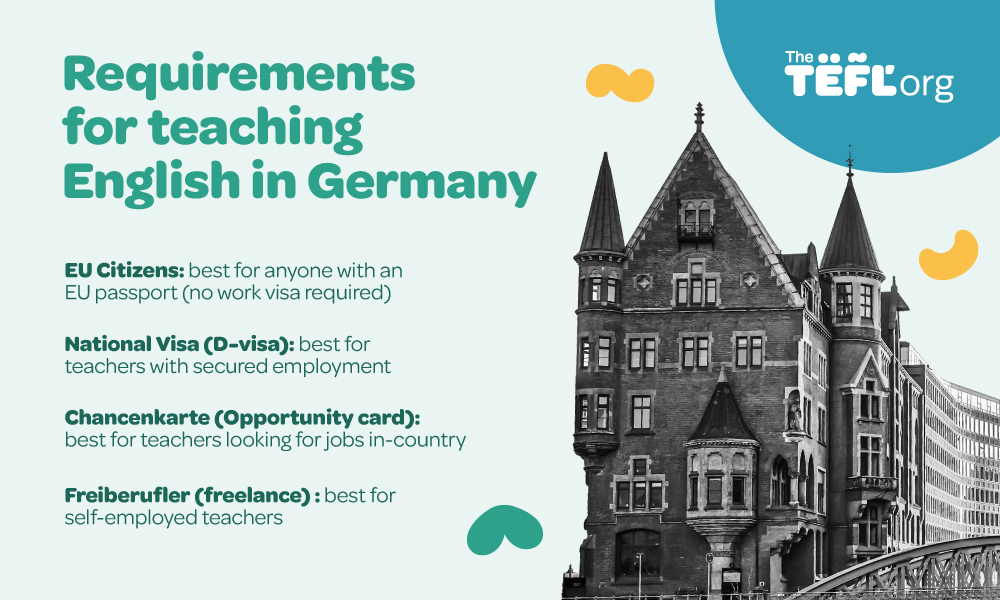
Teachers from EU countries don't need a work visa to teach English in Germany, but they'll need to register with the relevant district authority within one week of finding permanent accommodation. Non-EU teachers will need to apply for one of the following visas depending on their employment:
- National Visa (Type D-Visa)
- Opportunity Card or Chancenkarte
- Freelance visa or Freiberufler
National Visa (Type D-Visa)
For a sponsored work visa, teachers need to find a job before heading to Germany. Their employer will sponsor their work visa application and they can then apply for the National Visa (Type D-Visa) at their local German embassy. They must register for a residence permit or Aufenthalstiel within 90 days of arrival to stay in Germany long-term.
UK and US citizens can enter Germany without a work visa, but they'll need to apply for a residence permit before starting work. You'll typically need:
- Proof of job contract with German employer
- Proof of qualifications or experience
- Health insurance
- Pre-approval from the Federal Employment Agency
Chancenkarte or Opportunity Card
Another route is the Chancenkarte or Opportunity Card, a job-seeking visa that allows you to stay in Germany for 12 months while you search for work. You'll typically need:- University degree or a valid vocational qualification
- To qualify under Germany's points-based system based on qualifications, language skills (A1 CEFR in Germany or B2 in English), professional experience, age, and ties to Germany
- Proof of sufficient funds to cover your stay, around ~€992 ($1,155 / £855) per month
Freelance visa (Freiberufler)
Teachers can enter Germany on a Freelance visa (or Freiberufler) to teach at multiple schools or work as a private tutor. To qualify for the freelance visa, you'll typically need:
- Proof of potential work in Germany (e.g. letters of intent or active contracts from German clients)
- Proof of sufficient funds to cover your stay, around ~€10,000 ($11,640 / £8,640)
- Health Insurance
- Proof of accommodation or rental agreement
Important: The information above is not intended to serve as legal advice. Be sure to check your nearest embassy or the German government website for updated information.
Download our Teaching English in Europe Guide
Find out how teaching English in Germany compares to other European countries.
Salary and Cost of Living
Germany isn't the cheapest place to live, but salaries are generally high enough to enjoy a comfortable standard of living. With excellent teaching salaries, medical coverage, excellent employee rights, but also a high tax rate, you'll need to research carefully to plan your budget as an English teacher in Germany.
How much can you earn teaching English in Germany?
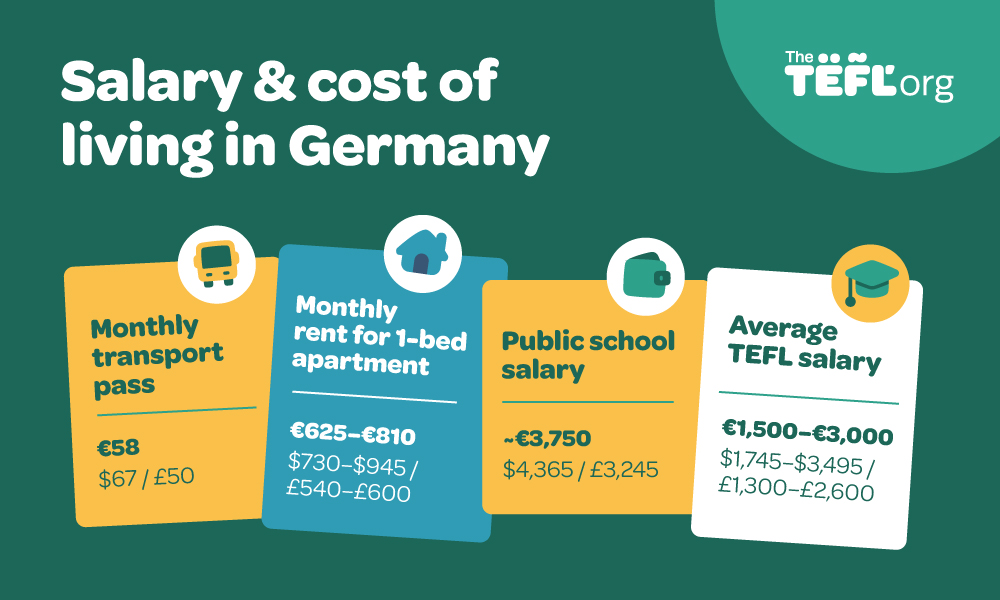
Most TEFL teachers work in the private sector, at private language schools or international schools, and the salary for teaching in Germany ranges between €1,500–€3,000 ($1,745–$3,495 / £1,300–£2,600) per month, or higher at elite international schools.
Public school teachers in Germany earn around ~€3,750 ($4,365 / £3,245) per month, most jobs are reserved for German speakers. So, while EU teachers with German proficiency can work at public schools, non-EU teachers will struggle to work in the public sector.
Tip: Self-employed teachers on the Freiberufler visa need to report their income tax.
How much does it cost to live in Germany?
With excellent healthcare, transport and education systems, Germany isn't the cheapest country, but it's possible to live on a budget as an English teacher. The average person in Germany spends around €995 ($1,160 / £860) per month, excluding rent.
Rent for a 1-bed apartment averages at around €625–€810 ($730–$945 / £540–£600), or more in major cities like Berlin, Munich, and Frankfurt.
Here's how you can make the most of your teaching salary in Germany:
- Consider smaller cities: While cities like Berlin or Frankfurt may offer higher salaries, the cost of living is also high. Consider smaller cities, where your saving potential could be higher.
- Share accommodation: To split costs and make friends, many teachers houseshare with other teachers and expats. Rent for a 3-bed apartment costs around €433 ($500 / £370) per person, per month.
- Live outside the center: Living outside the city center can save you plenty of money in the long run. While rent in the city averages at €810 ($945 / £600), it's almost ~€200 ($230 / £170) cheaper outside the center.
- Use public transport: Known for their punctuality, public transport in Germany is efficient and affordable, with monthly passes costing ~€58 ($67 / £50).
- Cook at home: Shopping at weekly markets or wochenmärkte and cooking at home will save you plenty of money. If you head to budget-friendly supermarkets like Aldi, Lidl, Netto, and Penny, be sure to use loyalty cards.
- Join a sportverein: If you're sporty, you can join a non-profit, community sports club or sportverein. These are much cheaper than commercial gyms, starting from around ~€5 ($5.80 / £4.30) per month.
| Restaurants | EUR | USD | GBP |
|---|---|---|---|
| Inexpensive restaurant meal | |||
| Domestic beer (0.5 litre) | |||
| Regular cappuccino | |||
| Water (0.33 litre) | |||
| Markets | EUR | USD | GBP |
| Regular milk (1 litre) | |||
| Loaf of white bread | |||
| Regular eggs (1 dozen) | |||
| Apples (1 kg) | |||
| Transportation | EUR | USD | GBP |
| One-way ticket (local transport) | |||
| Monthly pass (regular price) | |||
| Taxi start (normal tariff) | |||
| Gasoline (1 litre) | |||
| Utilities | EUR | USD | GBP |
| Electricity, heating, cooling, water, and garbage (for a regular apartment) | |||
| Regular prepaid monthly mobile tariff with 10GB+ data | |||
| Internet (60 Mbps, unlimited data, cable/ADSL) | |||
| Clothing and shoes | EUR | USD | GBP |
| Pair of jeans (Levis 501 or something similar) | |||
| Summer dress in a chain store | |||
| Nike running shoes (mid-range) | |||
| Men's leather business shoes |
English Teaching Jobs in Germany
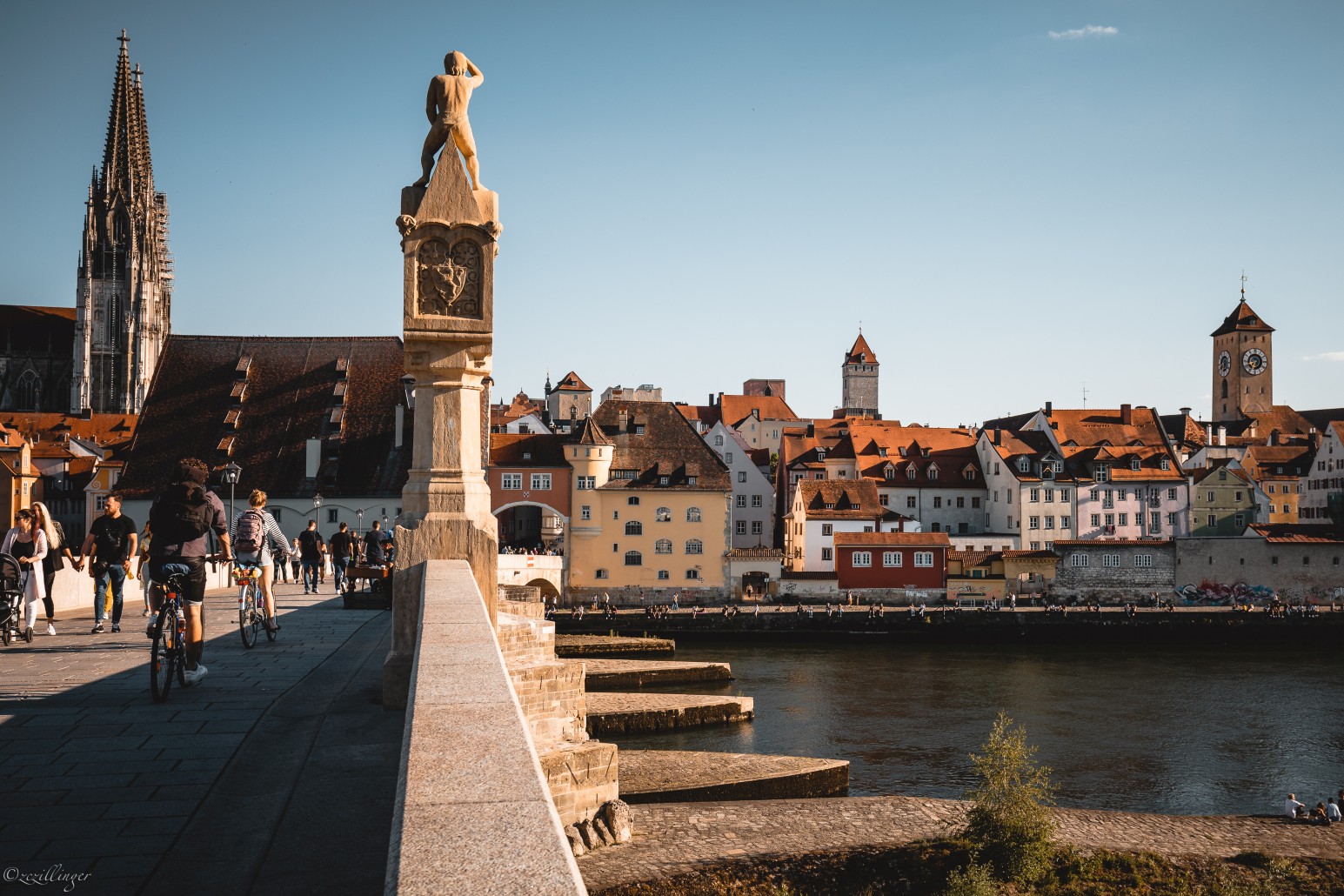
The availability of English teaching jobs in Germany vary by region. English proficiency is generally higher in western Germany, while eastern regions can offer less competition and greater demand.
For teachers on job-seeking visas and EU citizens already in the country, networking and applying directly to schools can be effective job-hunting strategies. Otherwise, you can find vacancies on job boards or by applying directly to schools.
Public schools
Teaching roles in public schools are limited to German speakers due to the country's strong English education system, but opportunities exist for qualified teachers with a master's or postgraduate teaching certificate. However, language assistant roles exist on programmes like the British Council, if you have an A2 level of German. Peak hiring times take place in the months leading up to the semester start dates in September and January.
What to expect at public schools in Germany:
- Typical Monday to Friday schedule
- Larger classrooms
- Higher requirements (master's, teaching license) for secondary school positions
- Language assistant roles require German language skills and a TEFL certificate
Private language schools
Private language schools and adult education centres (Volkshochschulen) are among the most common employers for TEFL teachers. There's a particular demand among adult learners who want to learn business English skills, making teachers with specialist knowledge in areas like business, IT, aviation, or education sought after. Many teachers on the Freiberufler visa work freelance across multiple schools.
What to expect at private language schools in Germany:
- Evening and weekend work
- Teaching specialist subjects, like business English or IELTS exam preparation
- Smaller class sizes than public schools
- Lower entry-requirements, but specialist knowledge is valuable at specific centres
International schools
At an international school, you'll likely teach international students from expat families from an international curriculum. These schools offer some of the best salaries and benefits in Germany, with packages that may include relocation support, flights, and accommodation assistance. But while the salary, benefits, and classroom facilities are excellent, requirements are high.What to expect at international schools in Germany:
- Teaching international students
- Delivering lessons from an international curriculum
- Excellent salary and benefits
- Highly competitive; requiring a bachelor's or master's, TEFL or teaching license, and teaching experience
Summer camps
Summer camps offer a fun and engaging learning environment for students, combining English teaching with activities like sport, music, and art. Summer jobs offer an excellent opportunity for newer teachers seeking experience without a long-term contract, or for experienced teachers looking to fill the gap between their semesters. Popular examples include FOKUS camp and KCA.
What to expect at summer camps in Germany:
- Teaching larger groups in informal and active-based learning environments
- Entry-level friendly, short-term contracts
- Unpaid, or small stipend and free accommodation
Teaching English in Major Cities
From the North German Plain to the Black Forest and Alpine Peaks, Germany is a huge country, and there are plenty of locations to consider teaching English.
Teach English in Berlin

Berlin has everything, whether you're into history, raving, fashion, sports, or art. As the fashionable capital that's home to thriving industries and international businesses, the city is also an educational hub. With universities, international schools, and private language academies that cater to young learners and adults alike, you'll find plenty of teaching opportunities in Berlin.

Beyond teaching, you can soak up history by hopping from the Brandenburg Gate, segments of the Berlin wall, to the sobering Jewish Memorial. But Berlin doesn't stop at dusk – if you've got the energy, head to one of its finest bierkellers or embrace its status as a global raving capital.
Teach English in Munich

While Berlin is the stylish and nocturnal metropolis, Munich is its quaint Bavarian counterpart. With beer gardens, national theatres that host Bavarian State Opera, and arguably the best place to celebrate Oktoberfest in your lederhosen, Munich embodies the quintessential German experience.
It's also a hub for universities, international schools, and industries like engineering. Teaching jobs exist as international school teachers, university lecturers, or business English teachers, and summer camp counsellors. When you've clocked out, head to the Englischer Garten – one of the world's largest urban parks – or use Munich's proximity to the Swiss, Austrian, and Czech border to spend a weekend away.
Teach English in Frankfurt
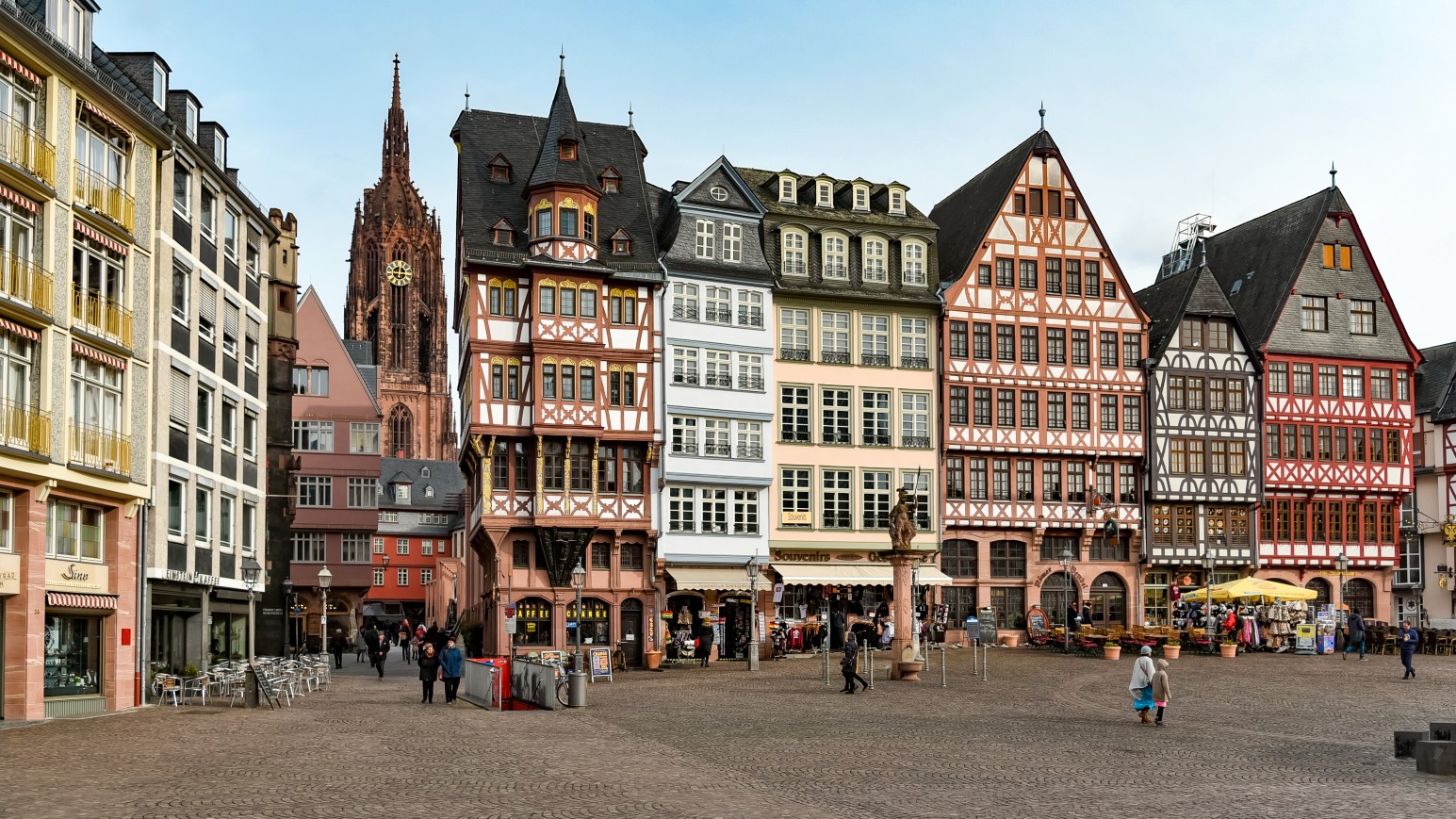
If you're looking to teach business English to adults and aspiring professionals, look no further. With riverside skyscrapers, the European Central Bank, and one of the world's largest stock exchanges – Frankfurt Am Main (or Mainhattan) is Germany's financial hub.
But, Frankfurt is much more than a financial centre. When you're not teaching, take a stroll alongside the River Main, embrace medieval architecture at its old town (or altstadt), or look down at the city from the Main Tower. Frankfurt hosts 100+ trade shows annually, including the world's biggest book fair.
TEFL Org Teacher Story
Want on-the-ground insight on what it's like to teach in Germany? Read up on Fiona's experience as an English language assistant!
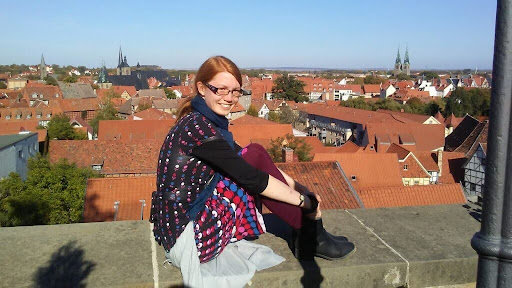
Fiona in Saxony-Anhalt, Germany
"Fresh from university, I had previously completed a year as an English Language Assistant in Bavaria, Germany, and worked at English language summer camps. However, I was keen to develop professionally by becoming TEFL-qualified.
This year, I am completing a fourth and final English Language Assistantship in the picturesque Harz region of Saxony-Anhalt, Germany. My students, aged 10-16, make me smile every day. So far, we've danced to Auld Lang Syne, sampled Scottish sweets, played British party games and debated the importance of having different words for different kinds of doughnuts and slugs/snails (there's only one word in German: 'Schnecke'!).
Had I not done TEFL, I firmly believe I would not have all the skills and confidence I have now, and these will continue to stand me in good stead as I take this next step on my teaching journey!"
Ready to Teach English in Germany?
Don't forget your TEFL certificate! Teaching English as a foreign language is an amazing opportunity to soak up German culture and see the world, but it's still about language learning. Not only will a TEFL certificate support your job search, but German students will benefit from your proficient teaching methods and classroom confidence.
From lesson planning, classroom management, and much more, a TEFL course is essential to your professional development. Get certified today with our 120-hour TEFL course!
Frequently Asked Questions
Q. Is there a demand for English teachers in Germany?
There's a moderate demand for English teachers throughout Germany, because the standard of English is already high. Most of this demand comes from private language schools that teach ESP (English for Specific Purposes), like business English or exam preparation courses.
Q. What do I need to teach English in Germany?
It depends on the TEFL route you want to teach. To teach in German public schools, you'll need a degree, teaching certificate, and German proficiency. However, entry requirements are lower for part-time language instructors. Many private language schools require a TEFL certificate and a bachelor's degree, whereas most summer camps only require a TEFL.
Q. How much does Germany pay English teachers?
The salary for teaching English in Germany ranges from €1,500–€3,000 ($1,745–$3,495 / £1,300–£2,600) per month. Public school and international school teachers can earn much more, around ~€3,750+ ($4,365 / £3,245) per month.
Q. Can I teach English in Germany without speaking German?
Yes, you can teach English without speaking German. This is especially true at summer camps and private language schools. However, public school jobs require German language skills.
Q. Can I teach English in Germany as a non-degree holder?
It's possible to teach English in Germany as a non-degree holder, particularly at summer camps or potentially private language schools. However, to teach at private language schools, you'll need a TEFL certificate, and having teaching experience and an EU passport is highly beneficial.
Q. Can I teach English in Germany as a non-native English speaker?
Yes, you can teach English in Germany as a non-native speaker, especially if you have German fluency. You'll need to prove your English fluency with an IELTS or a CEFR certificate, for example.