



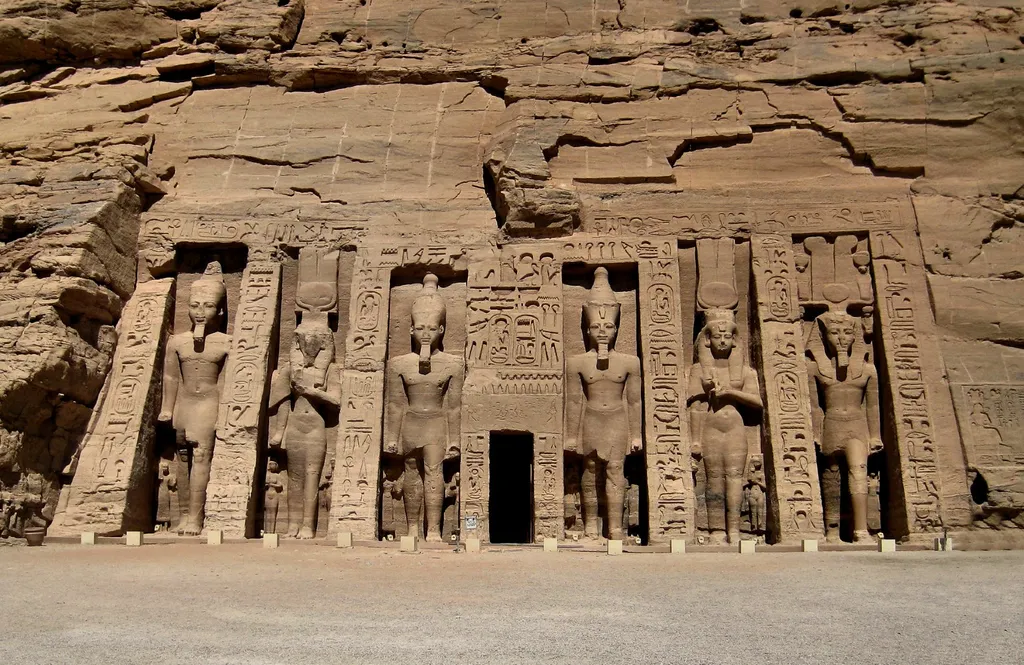
From the pyramids of Giza and mummified pharaohs to its mix of Mediterranean, Arabic, and ancient African influence, there aren’t many places like Egypt. Whether you want to gaze at the Great Sphinx, cruise down the River Nile, or go on dune buggy desert safaris, Egypt can cater to your sophisticated and wild side.
The main language is Arabic, and while English is common in tourist spots like Cairo or Alexandria, it still ranks as “low” on a national level. And with a huge tourist sector, the demand for English teachers is still high. Read on for The TEFL Org’s guide to teaching English in Egypt, from the job requirements, salary expectations, visa process, and more.
Key Takeaways
- There’s a high demand for English teachers in Egypt, especially among tourist workers.
- Requirements include a TEFL certificate and English proficiency — a university degree and experience are preferred but not essential.
- Teachers can earn anywhere between EGP 20,965–41,950 ($405–$810 / £300–£600) per month.
- International school teachers can earn up to EGP 209,400 ($4,045 / £3,000) per month.
- Public schools are rare, private language schools are more common for TEFL teachers. International schools pay the most, but have very high requirements.
- Teachers need to secure a job before applying for a business visa, and then getting their work and residence permit in-country.
- Top locations to teach in Egypt include Cairo and Alexandria.
Requirements for Teaching English in Egypt
With an updated national curriculum in 2025 (referred to as Education Reform 2.0), there’s more emphasis on English language teaching today in Egypt. Egypt’s Vision 2030 aims to modernise the country and improve living standards sustainably, and improving the level of English is just one way to help to achieve this goal.
These ambitions have an effect on the requirements for teaching English in Egypt, so here’s everything you need:
Tip: Pay attention to local customs in Egypt — female teachers need to dress conservatively, and although same-sex relations aren’t explicitly illegal, people who identify as LGBTQ+ often face stigma.
Do I need a TEFL certificate to teach English in Egypt?
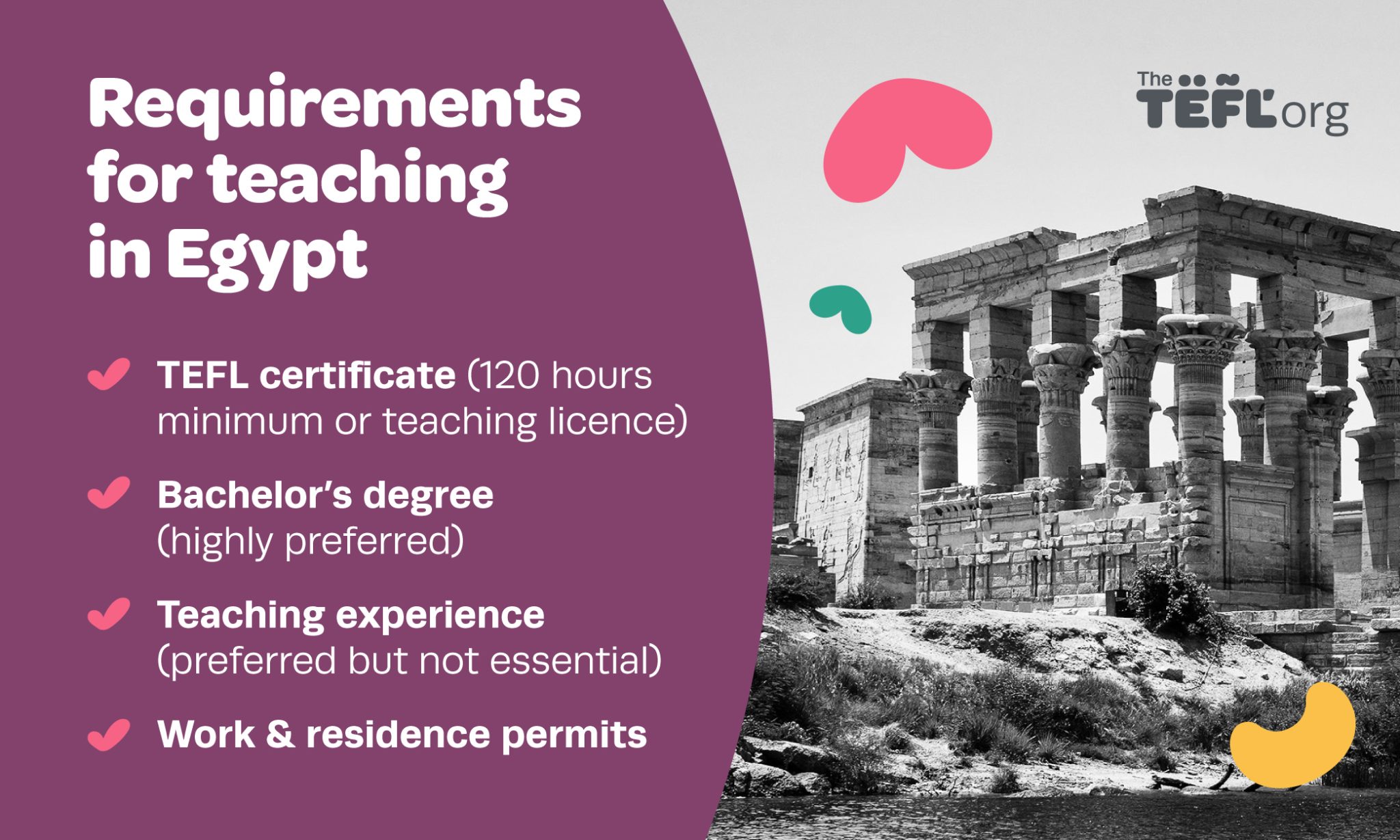
Yes, you need a TEFL certificate to teach English in Egypt. Although it’s not a legal requirement, it’s a practical requirement for teachers to have at least 120 hours of TEFL training. Other jobs at prestigious schools — especially at private international schools — require a teaching licence.
If you just have a 120-hour TEFL certificate, you can find work at a private language school. You can also top up your current training with an advanced course like teaching young learners, Academic English, or Business English depending on the subject you want to specialise in.
Can I teach English without a degree in Egypt?
Public schools, international schools, and universities require teachers to hold university degrees. But you can still teach English without a degree in Egypt at a private language school.
These schools, also known as language centres or academies, are usually much more flexible when it comes to hiring teachers as long as they have some form of TEFL training. Just bear in mind that you’re likely to earn a lower salary teaching abroad without a degree.
Do I need teaching experience to teach in Egypt?
You don’t need teaching experience to teach in Egypt — just as long as you’ve got a TEFL certificate. But much like not having a degree, you’re limited to private language school jobs. Higher paid teaching positions at international schools usually require at least 3–5 years of previous teaching experience.
So while you can teach English without experience in Egypt, you’ll just need to remember that your salary potential is lower than experienced teachers.
Tip: Check out the reviews or reputation of a school you’re considering before accepting a job offer — some schools are known for poor working conditions.
Can I teach in Egypt as a non-native speaker?
Yes, you can teach English as a non-native speaker in Egypt as long as you can prove your English fluency with a language certificate like IELTS, TOEFL, or CEFR.
Some schools prefer native English speakers from countries like the US, UK, Ireland, Australia, New Zealand, and Canada, but not always. Speaking Arabic can boost your application because it shows employers that you can communicate with co-workers, and that culture shock might be less of a factor.
Tip: You don’t need Arabic language skills to teach in Egypt — but it might help you fit in with the local community if you learn some basic phrases.
Visa requirements for teaching English in Egypt
You’ll need the right visa and work permit to teach English legally in Egypt. But you’ll need to find a job first — you can’t just apply without your employer’s sponsorship.
Once you find a job, your employer will sponsor your application and help you get the right work permit and you can apply for an entry visa. After arrival, you can apply for the residence permit and work permit once you reach Egypt. This process can take a while.
Here’s everything you need to apply for the visa:
- Proof of job contract with Egyptian employer
- Invitation letter from Egyptian employer
- Clear criminal background check
- Proof of academic and professional qualifications
- Travel itinerary including flight booking
- Valid passport with at least 6 months’ validity
Download our guide to teaching English in the Middle East & Africa
Everything you need to know about teaching English in the Middle East and Africa
Salary and Cost of Living
It’s important to understand both the teacher salary and the cost of living to get a full picture of how comfortably you’ll be living in Egypt, whatever your saving or lifestyle goals.
How much can you earn teaching English in Egypt?
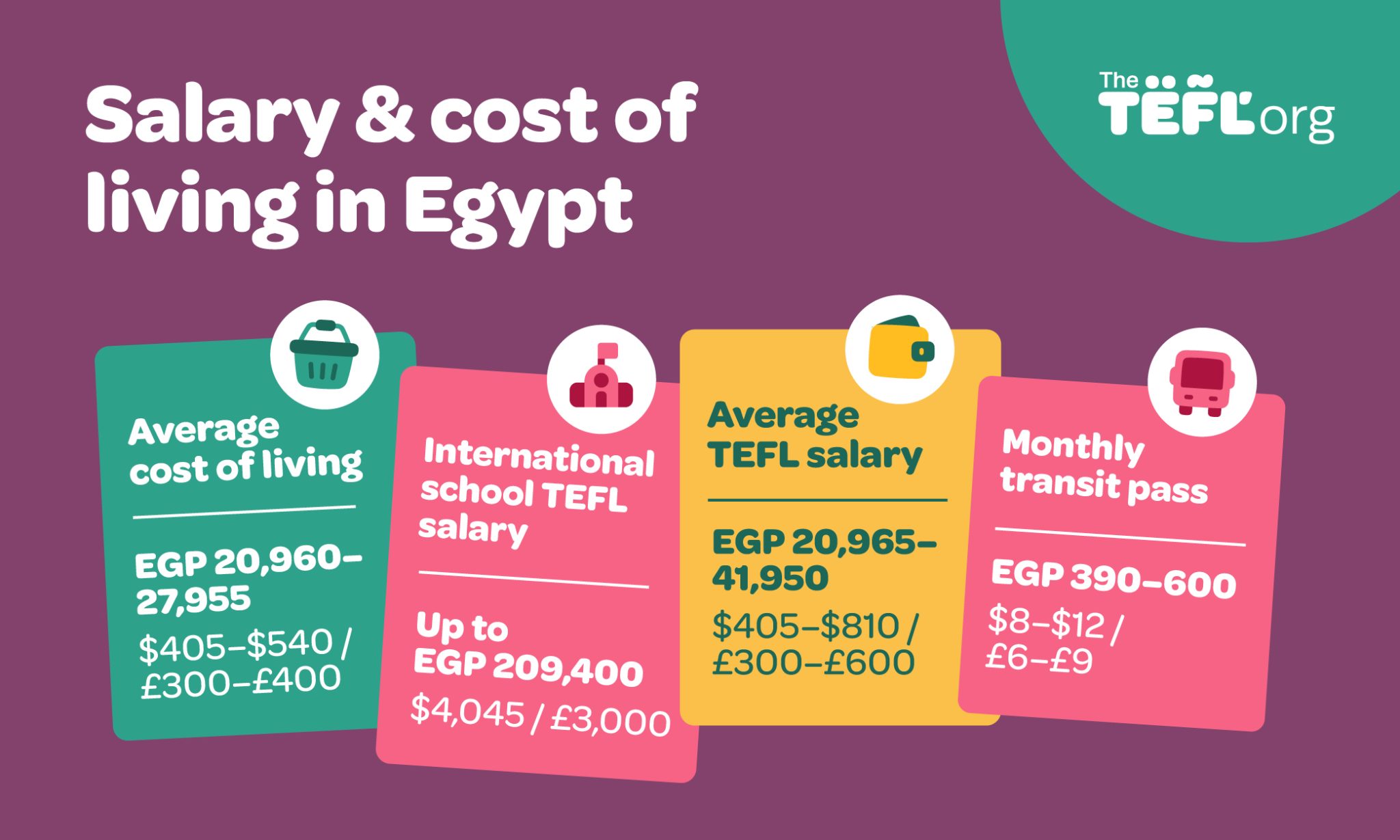
Teaching English in Egypt isn’t known as a lucrative opportunity — its selling point is its archaeological sites and other cultural qualities. The average salary for entry-level to mid-level TEFL teachers ranges from EGP 20,965–41,950 ($405–$810 / £300–£600) per month.
This is a low salary compared to most TEFL locations, but its cost of living is also incredibly low, so you can live comfortably on a teacher’s salary here.
If you’re an advanced teacher with a degree in English or education, a teaching licence and years of teaching experience, you can earn up to EGP 209,400 ($4,045 / £3,000) per month at international schools. International school teachers often receive benefits like a housing allowance, flight reimbursement, and more.
Tip: Be sure to ask your employer if you’re paid per hour or per month — you might not teach the same number of classes each month at some schools.
How much does it cost to live in Egypt?
Despite a low salary, Egypt isn’t an expensive country. A single person can expect to spend around EGP 20,960–27,955 ($405–$540 / £300–£400) per month, including rent, food, and other services. But if you live in a popular city like Cairo, expect to pay at the higher end of this range (which is still very affordable for a capital city).
However, you’ll still need to budget if you’re on an entry-level teacher’s salary. Here’s how you can make the most of your teaching in Egypt salary:
- Live outside tourist centres: Living outside the city centre or tourist spots can save you around EGP 3,000 ($60 / £45) per month. It might not seem like much, but this can cover your monthly transport pass, gym membership, utilities, and phone plan.
- Eat like a local: From koshary to ful medames and molokhiyah, Egyptian food is delicious — and also very affordable.
- Use public transport: If you’re living in Cairo, the metro is a great way to get around on a budget and dodge the city’s infamous traffic. A monthly metro pass ranges from EGP 390–600 ($8–$12 / £6–£9) in Cairo depending on the pass you buy.
- Use official residency discounts: From museums, parks, heritage sites, and more, showing your residence card can grant you up to 50–75% discounts compared to international visitor fees.
| Restaurants | EGP | USD | GBP |
|---|---|---|---|
| Inexpensive restaurant meal | |||
| Domestic beer (0.5 litre) | |||
| Regular cappuccino | |||
| Water (0.33 litre) | |||
| Markets | EGP | USD | GBP |
| Regular milk (1 litre) | |||
| Loaf of white bread | |||
| Regular eggs (1 dozen) | |||
| Apples (1 kg) | |||
| Transportation | EGP | USD | GBP |
| One-way ticket (local transport) | |||
| Monthly pass (regular price) | |||
| Taxi start (normal tariff) | |||
| Gasoline (1 litre) | |||
| Utilities | EGP | USD | GBP |
| Electricity, heating, cooling, water, and garbage (for a regular apartment) | |||
| Regular prepaid monthly mobile tariff with 10GB+ data | |||
| Internet (60 Mbps, unlimited data, cable/ADSL) | |||
| Clothing and shoes | EGP | USD | GBP |
| Pair of jeans (Levis 501 or something similar) | |||
| Summer dress in a chain store | |||
| Nike running shoes (mid-range) | |||
| Men's leather business shoes |
English Teaching Jobs in Egypt
From young learners studying general English to adults learning Business English, English teaching jobs in Egypt come in different forms. Most public school jobs are reserved for locals (or foreigners who speak Arabic), so you’ll find more job opportunities in the private sector like language schools or international schools.
The school year goes from September–June, so you’ll need to time your application if you’re thinking of applying for public or international schools. Private language schools, however, are typically more flexible and hire year-round.
You can find TEFL jobs in Egypt on platforms like The TEFL Org Jobs Centre, or you can search for work in-country, but that would require leaving and completing a visa run.
Public schools
It’s rare for foreign teachers to work at public schools in Egypt, but not impossible. Schools generally favour local teachers, and speaking Arabic is important if you’re working at public schools because you’ll be teaching more than just English. You can also work at public schools as a volunteer teacher, where you’ll focus more on conversational and speaking skills.
Generally, public school salaries are low in Egypt, class sizes are large, and classroom facilities are modest — making them less desirable for TEFL teachers than private schools.
What to expect at public schools in Egypt:
- Large class sizes
- Following the national curriculum
- Lower or mixed levels of English
Tip: The week runs from Sunday to Thursday in Egypt — not Monday to Friday!
Private language schools
Private language schools are where most TEFL teachers will find work, especially entry-level teachers. These schools offer a range of English courses to mixed age groups, whether it’s general English or something more specific. When it comes to teaching English for Specific Purposes (ESP), tourism, computer training schools, and Business English classes are popular.
These schools usually run throughout the year, so you don’t need to worry about timing your application. They also cater to students and workers, so you’re likely to teach English in the evenings and on weekends.
What to expect at private language schools in Egypt:
- Evening and weekend classes
- Emphasis on ESP subjects
- Teaching various age groups
- Small class sizes
International schools
There are plenty of international schools in Egypt, especially in Cairo. These schools charge high tuition fees, but offer some of the highest quality education in the country, and are aimed more towards international students and local students from wealthier families.
At these schools, you’ll follow an American, British, or International Baccalaureate curriculum, so experience in teaching in a western country is very beneficial. While salaries and benefits are among the best, expectations are very high for English teachers.What to expect at international schools in Egypt:
- Small class sizes
- Excellent standard of English
- Following an international curriculum
- High salary and benefits, but high workload and responsibilities
Private tutoring
Many students are eager to commit to an hour or two of private lessons per week, and it’s not uncommon to be approached on the street for English lessons. Private tutoring is a great way to supplement your income, with tutors charging anywhere from EGP 150–500 per hour depending on the student and subject. Just bear in mind that you’ll need to plan your own lessons, use your own materials, and ensure that your current employer doesn’t forbid tutoring outside working hours.
What to expect as a private tutor in Egypt:
- Finding your own students and setting your own rates
- Teaching 1–1 or small groups
- Flexible, but irregular hours
- Private tutoring alongside a teaching job (not instead of)
Teaching English in Major Cities
From the Mediterranean coast to further down the River Nile, there are plenty of cities to consider teaching English in Egypt.
Teach English in Cairo
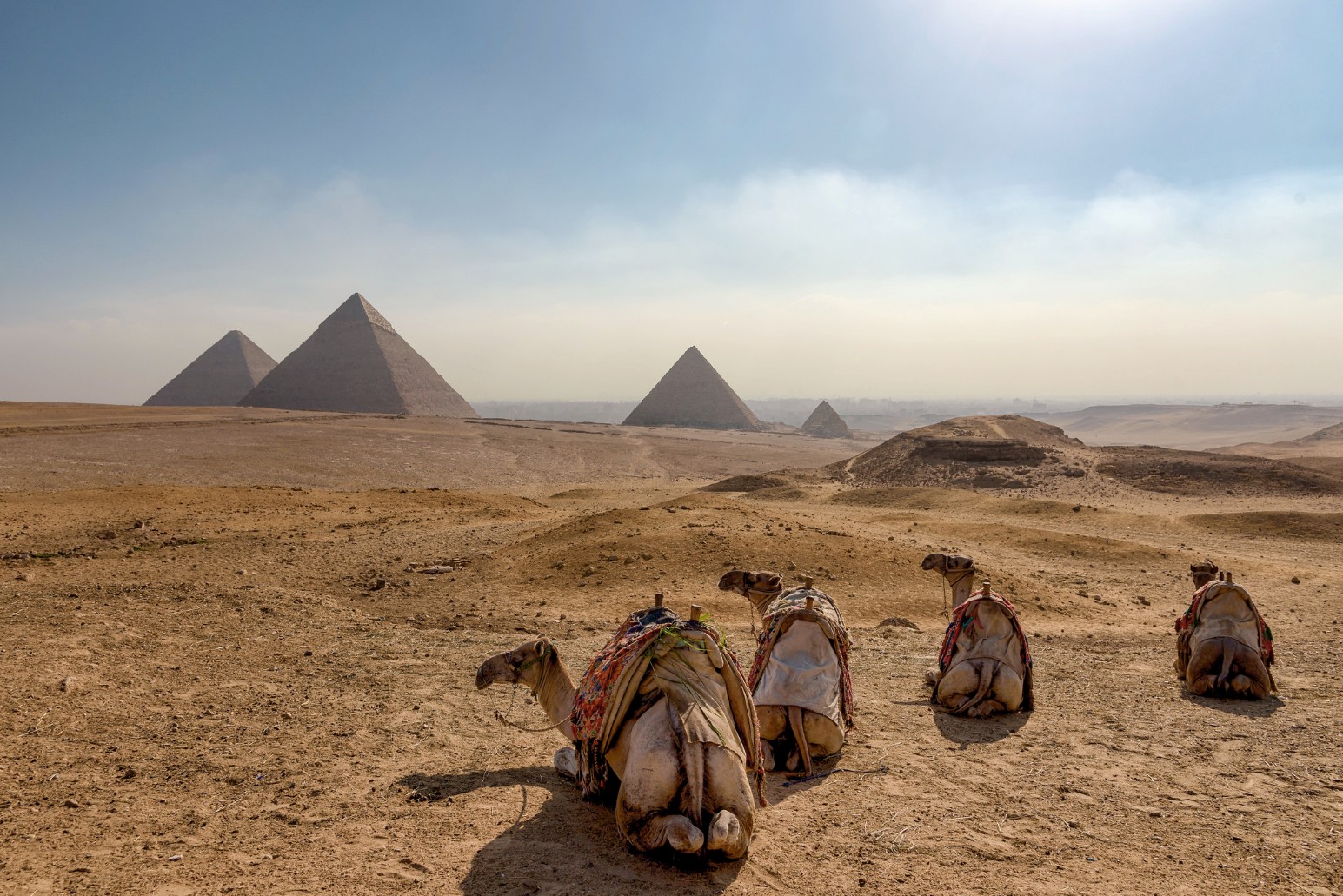
From the River Nile to the Great Pyramids and bustling markets, Cairo is a rollercoaster of a city. It never sleeps, and even during the day you’ll experience an assault on the senses — but if you love the chaos, you’ll thrive in Cairo.
Egypt’s capital city has a population of around 10 million people, which leaves plenty of work for English teachers in private language schools, international schools, and more.
But the city has its challenges too. If you’re a volunteer teacher looking to gain experience, there’s plenty to get involved with — more than half of the population live in slums, and across the country around 10 million children don’t have access to basic daily necessities such as clean water and education.
When you’ve got time off, head to Giza (which is just 10 minutes away) to see the awe-inspiring Sphinx and pyramids. Or, practise your haggling skills at open-air markets or bazaars like Khan el-Khalili.
Teach English in Alexandria
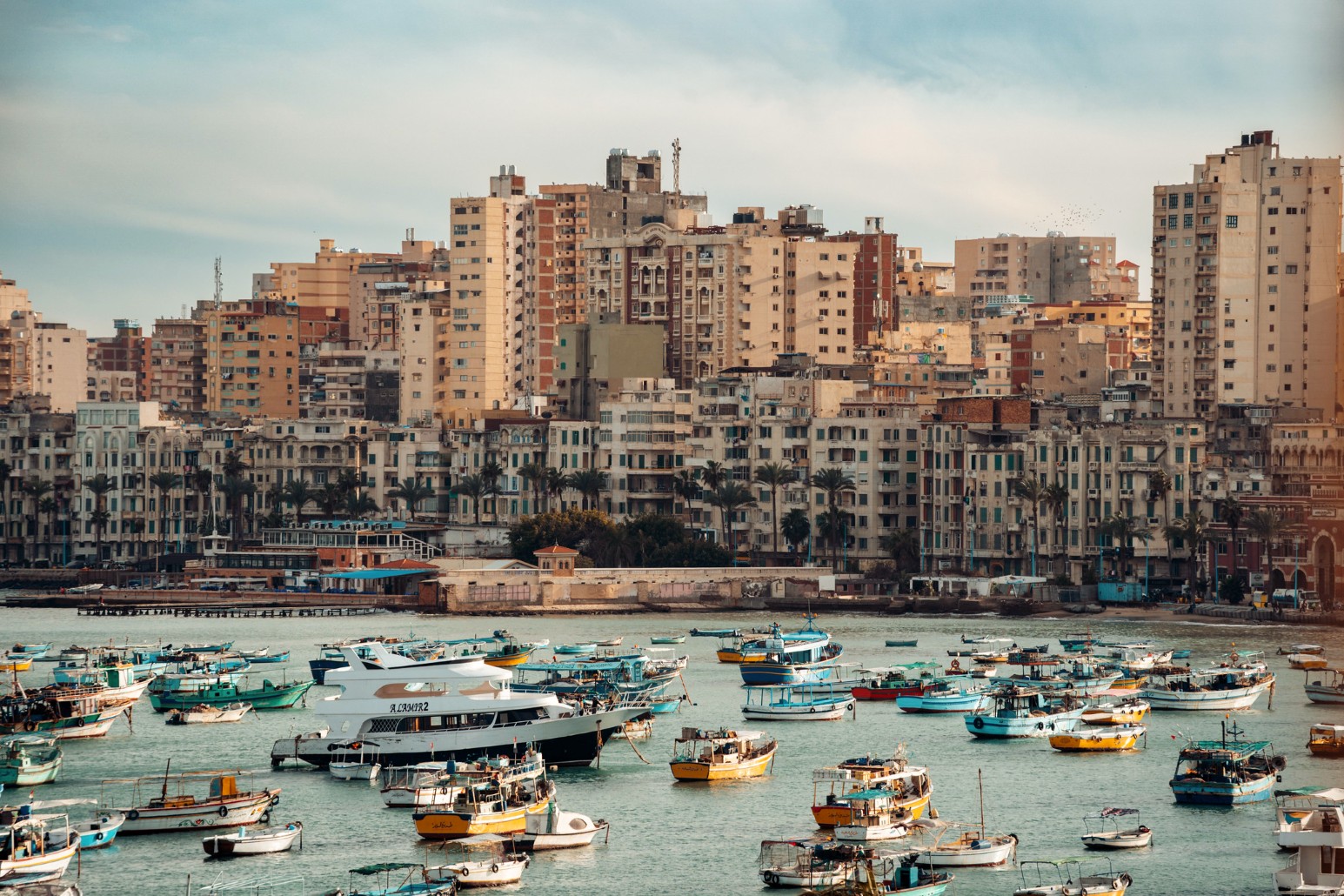
Located on the Mediterranean Sea, Alexandria is Egypt’s second largest city. And while it offers a cosmopolitan vibe, it’s a bit more laid back than Cairo. As a port city and historic trading hub, it’s also got a touch of European charm with Greek architecture dotted around the city.

Despite a lower population, you can still find plenty of jobs in language schools and international schools. Beyond the classroom, head to the Citadel of Qaitbay or the Catacombs of Kom el Shoqafa to soak up history, or walk (or run) along its waterfront boulevard to get your steps in in an idyllic environment.
Ready to Teach English Abroad? Don’t Forget Your TEFL Certificate
Before you think about booking your ticket, you’ll need a TEFL certification. Teaching English abroad is a fantastic opportunity to gain experience and see the world, but it’s important that you feel confident in the classroom. Studying an online TEFL course will teach you how to explain complex grammar rules, plan and deliver lessons, and so much more.
So you’re not just opening up teaching opportunities in Africa, the Middle East, Europe, and beyond, you’re setting yourself up for a better experience in the classroom.
Get started today with our 120-hour TEFL course.
Frequently Asked Questions
Q. How much is a teacher paid in Egypt?
Egypt isn’t known for its high teaching salaries; teachers earn around EGP 20,965–41,950 ($405–$810 / £300–£600) per month, but international school teachers can earn up to EGP 209,400 ($4,045 / £3,000) per month among other benefits.
Q. What jobs are in demand in Egypt?
For TEFL teachers, private language schools and international schools are where most of the jobs are. Language schools are more entry-friendly, whereas international schools have high entry requirements. Public school jobs are usually reserved for locals.
Q. Is it easy for foreigners to get jobs in Egypt?
It’s not necessarily easy, but it’s a simple route. As long as you have a TEFL certificate, bachelor’s degree, and English proficiency, it can be as straightforward as applying for jobs online, and then applying for your visa.
Q. Do I need to speak Arabic to teach in Egypt?
You don’t need to speak the local language because Egyptian schools want their students to study in an immersive classroom. When it comes to learning a foreign language, Egyptian students will benefit from an English-only classroom.