









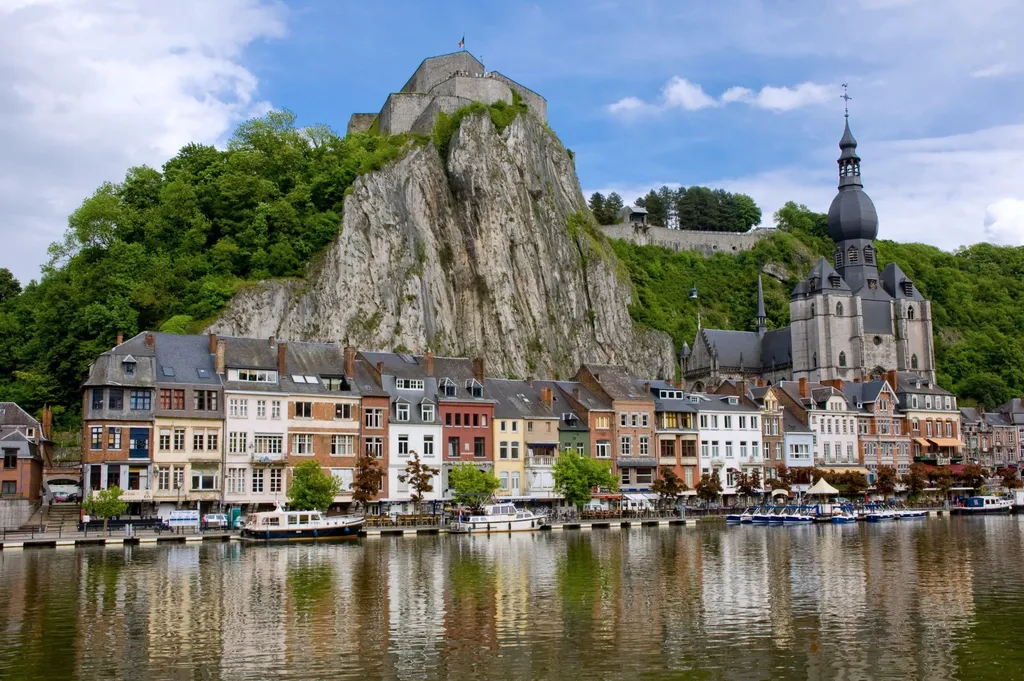
From the craters in Flanders Fields, Bruges' peaceful canals, to beer, moules and frites, Belgium is a pocket of history and sophistication. Belgium has three official languages; Dutch – or Flemish – is spoken in the north, French in the south, and German in the East.
It's not uncommon for locals to speak three languages, and English is the most widely-spoken language among young people aged 15–34. English plays an important role in cities like Brussels, home to the headquarters of both the EU and NATO, so TEFL roles do exist. Read on for The TEFL Org's guide on teaching English in Belgium, from the job requirements, salary, visa process, and more.
Key Takeaways
- French, German, and Dutch are the main languages in Belgium, but many people speak English.
- Not all schools hire TEFL teachers, but there's a steady demand in popular cities like Brussels and Antwerp.
- The minimum wage sits at €2,190 ($2,500 / £1,865) per month for full-time workers, but not all teachers work full-time; the average TEFL salary ranges from €1,500–€2,200 ($1,710–$2,510 / £1,280–£1,880).
- Most TEFL jobs come in private schools, but it's possible to teach at public schools if you speak the local language.
- Teachers from EU countries can enter visa free, but non-EU teachers need a Single Permit and D Type Visa to teach in Belgium legally.
Requirements for Teaching English in Belgium
Teaching jobs in Belgium are competitive. English is widely spoken, many locals are multilingual, and employers often look for experienced teachers.
However, you can still find work teaching English in Belgium with the right qualifications or experience, here's everything you need to know about the requirements for teaching abroad in Belgium.
Do I need a TEFL certification to teach English in Belgium?
Yes, you need a TEFL certificate to teach English in Belgium. A 120-hour TEFL certificate is typically the minimum requirement for teaching abroad, but you may need a Level 5 TEFL certificate or experience to boost your chances in a competitive market. Or, you can specialise in a niche to cater to a unique market.
Tip: Brussels is home to thousands of international businesses. If you can teach business English, you'll have access to a wider range of opportunities.
Can I teach English without a degree in Belgium?
It's possible to teach without a degree, but your options will be more limited. You can teach at private language centres or as a private tutor without a degree, and you'll need an EU passport – a bachelor's degree is an essential requirement for the highly-qualified worker visa for non-EU teachers.
Do I need teaching experience to teach abroad in Belgium?
You can teach English without experience in Belgium despite its high English proficiency. Many employers do ask for experience, so your job search will likely be limited to private language centers and language assistant programmes. But from there, you can gain experience and move towards higher-paying teaching jobs at other private or international schools.
Can I teach English in Belgium as a non-native speaker?
Yes, you can teach English as a non-native speaker in Belgium, and your chances will be much greater if you have an EU passport. You'll need the standard qualifications like the TEFL certificate and a degree, and also proof of your English proficiency through an IELTS or CEFR certificate.
Tip: If you speak French, Dutch, or German, you'll have an even greater advantage securing a job at a public or multilingual school!
Visa requirements for teaching English in Belgium
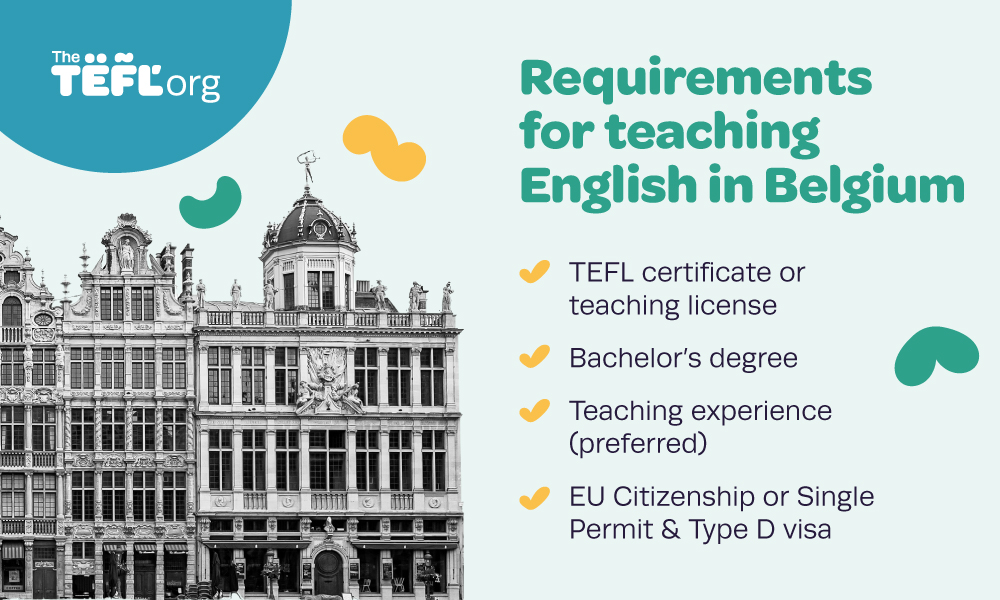
If you're an EU or EEA citizen, you won't need a work visa. But if you're from outside the EU, you'll need an employer willing to sponsor a Single Permit before you can apply for a Type D visa.
This gives EU or EEA teachers significant edge over non-EU teachers in the market because employers need to prove that no qualified workers could be found before hiring the non-EU teacher.
But it's not totally fruitless for non-EU teachers – some employers at private schools are happy to hire non-EU teachers, especially those with education in a British or American curriculum.
Non-EU teachers need to apply for the Single Permit and type D visa to teach English in Belgium legally, but they'll need to find a teaching job first. They'll need to submit a type D visa application before the employer can sponsor their Single Permit.
To qualify, you'll need the following:
- Proof of contract with Belgian employer
- Clear criminal background
- Proof of academic and professional qualifications (degree, TEFL certificate, etc.)
- Copy of passport
- Proof of payment of Single Permit administrative fee
Download our Teaching English in Europe Guide
Find out how teaching English in Belgium compares to other European countries.
Salary and Cost of Living
With high income taxes, you can expect a high standard of living in Belgium. But while you'll live comfortably in a country that offers excellent services and infrastructure, you'll also need to make a conscious effort to save up.
Here's how the cost of living compares to teacher salaries.
How much can you earn teaching English in Belgium?
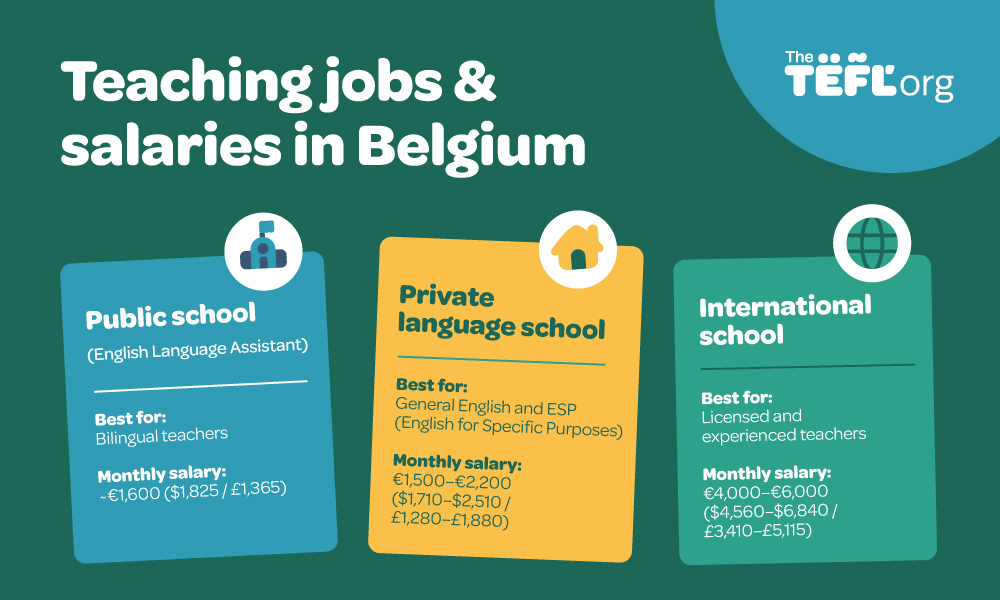
Belgium has one of the highest minimum wages in Europe sitting at around €2,190 ($2,500 / £1,865) per month for full-time workers, but it also has a high tax rate. But not all teachers work full-time, so the average salary for TEFL teachers in Belgium ranges from €1,500–€2,200 ($1,710–$2,510 / £1,280–£1,880) per month depending on hours, school type, qualifications, and experience.
If you have advanced qualifications like a bachelor's or master's degree, teaching experience, and a TEFL certificate or teaching license, you could earn a higher salary teaching at an international school. Popular international schools in Belgium like the British School, Montgomery School, International School of Belgium, and others can offer salaries ranging from €4,000–€6,000 ($4,560–$6,840 / £3,410–£5,115) per month.
Tip: When reviewing job offers, be sure to ask whether the listed salary is gross or net salary to get a clearer picture of what sort of lifestyle you can afford.
How much does it cost to live in Belgium?
With a high tax rate, you'll need to plan ahead before spending your first paycheck in Belgium. The average person spends around €1,700–€1,900 ($1,940–$2,170 / £1,455–£1,625) per month in Belgium. However, these figures vary by location, with popular cities like Brussels, Ghent, Brugge, and Antwerp costing more.
Overall, you can live an excellent quality of life in Belgium, but if you're an inexperienced teacher on a low salary, you'll need to be mindful of your spending habits. It can be a whirlwind when you first arrive to your new country, so here's how to budget mindfully as a teacher in Belgium:
- Be flexible with location: Most cities are walkable in Belgium, and living outside the center doesn't just get your steps up but it can also help you save upwards of €100 ($115 / £84) per month. If you want to give your legs a break, monthly transport passes in Belgium cost around €50 ($57 / £42).
- Share housing: Many teachers share housing with other teachers, locals, or expats to split rent, and it's a great way to socialise when you arrive! While a 1-bed apartment costs on average €820 ($935 / £700), a 3-bed apartment costs around €410 ($465 / £350) per person per month.
- Set lunch menus: If you fancy dining out, choose lunch over dinner! Cafes and eateries often offer a plat du jour – a set lunch menu – which is significantly cheaper than eating out for dinner in Belgium.
- Visit local markets: You can find cheap gems at the local market and at street food stalls. While a three-course meal at a restaurant costs around €35–€55, you can find a cone of fries (or frites), waffles, a mitraillette (a fried meat sandwich), or croquettes for around €5–€7.
- Bring some savings: Your first pay cheque may not arrive for several weeks, and many landlords ask for a deposit before you move in.
| Restaurants | EUR | USD | GBP |
|---|---|---|---|
| Inexpensive restaurant meal | |||
| Domestic beer (0.5 litre) | |||
| Regular cappuccino | |||
| Water (0.33 litre) | |||
| Markets | EUR | USD | GBP |
| Regular milk (1 litre) | |||
| Loaf of white bread | |||
| Regular eggs (1 dozen) | |||
| Apples (1 kg) | |||
| Transportation | EUR | USD | GBP |
| One-way ticket (local transport) | |||
| Monthly pass (regular price) | |||
| Taxi start (normal tariff) | |||
| Gasoline (1 litre) | |||
| Utilities | EUR | USD | GBP |
| Electricity, heating, cooling, water, and garbage (for a regular apartment) | |||
| Regular prepaid monthly mobile tariff with 10GB+ data | |||
| Internet (60 Mbps, unlimited data, cable/ADSL) | |||
| Clothing and shoes | EUR | USD | GBP |
| Pair of jeans (Levis 501 or something similar) | |||
| Summer dress in a chain store | |||
| Nike running shoes (mid-range) | |||
| Men's leather business shoes |
English Teaching Jobs in Belgium
English teaching jobs in Belgium vary depending on the qualifications and experience you have, but it's also important to think about what kind of job suits you best. Teaching jobs come in private and public sectors, but unless you speak the local language, most TEFL teachers work at private language schools and international schools.
Public schools
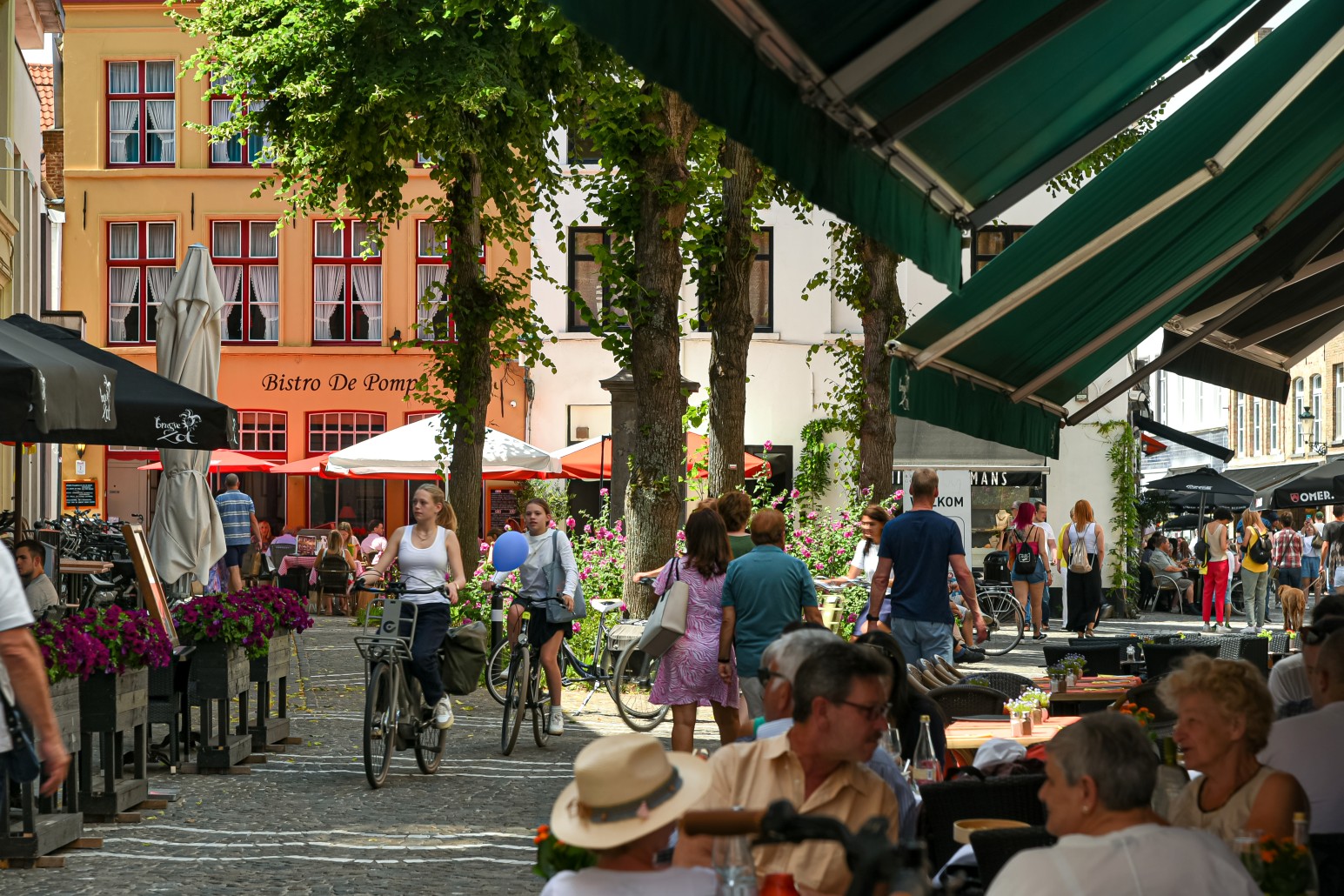
Public school jobs are uncommon unless you speak Dutch or French, and most jobs hire local teachers unless you're applying for a language assistant programme in Belgium like British Council. As a language assistant, you'll work part-time helping students at primary or secondary schools with English skills alongside a local teacher, with the Belgian school year running from October–May.
What to expect teaching in public schools in Belgium:
- Monday to Friday schedule
- Part-time language assistant roles
- Contracts lasting through September/October–May
- Following the national curriculum
Private language schools
Private language schools are generally the more flexible route for English teachers because there's more variety between institutions. Generally, these schools cater to teenagers and adults who study in the evening and on weekends with a specific goal in mind. Most language courses focus on academic English, exam preparation, business English, or another niche, so any specialised experience is worth emphasising in your application.
What to expect teaching in private language schools in Belgium:
- Year-round hiring and flexible entry requirements
- Teaching ESP (English for Specific Subjects) subjects
- Wide variety of student age
- Evening and weekend classes
International schools
International schools are the pick of the bunch when it comes to high salaries and career opportunities in the TEFL industry. At these schools, you'll teach English as the primary language to local and mostly international students from a US or UK curriculum. Teachers are required to teach multiple subjects in English, rather than English as a second language, so entry requirements are high.
What to expect teaching at international schools in Belgium:
- Monday to Friday schedule
- Following an international curriculum, teaching English as a primary language
- High entry requirements often including a master's, TEFL certificate or teaching license, and 3+ years of teaching experience
Teaching Programmes in Belgium
Teaching programmes are less common in countries where English speakers are common, but the British Council runs a language assistant programme that makes it easier for non-EU teachers to work in Belgium.
British Council Language Assistant Programme in Belgium
As a language assistant for the British Council, you'll be placed in a secondary public school to help students improve their English conversation, grammar, and other skills. Language assistants teach for around 12–16 hours per week alongside a local teacher, so it's an excellent entry into teaching in Belgium if you're an inexperienced teacher, and you'll also earn around €1,600 ($1,825 / £1,365) per month.To qualify for the British Council language assistant programme, you'll need to meet the requirements:
- B1 proficiency in Dutch or French
- Availability from October to May
- Clear criminal background
Teaching English in Major Cities
Belgium is home to amazing cities like Brussels, Brugge, Ghent, Antwerp, and more. Each city has its own unique charm that caters to different personalities, and also a different job market for teachers. These are some of the best cities for you to consider teaching in Belgium.
Teaching English in Brussels
The capital of Belgium is also the official headquarters for both the European Union and the NATO, and this alone can tell you how important the city is. As a diplomatic and international hub, English is essential to the cogs of Brussels, and English teachers can find opportunities in private language schools and international schools like the International School of Brussels and British International School Brussels.
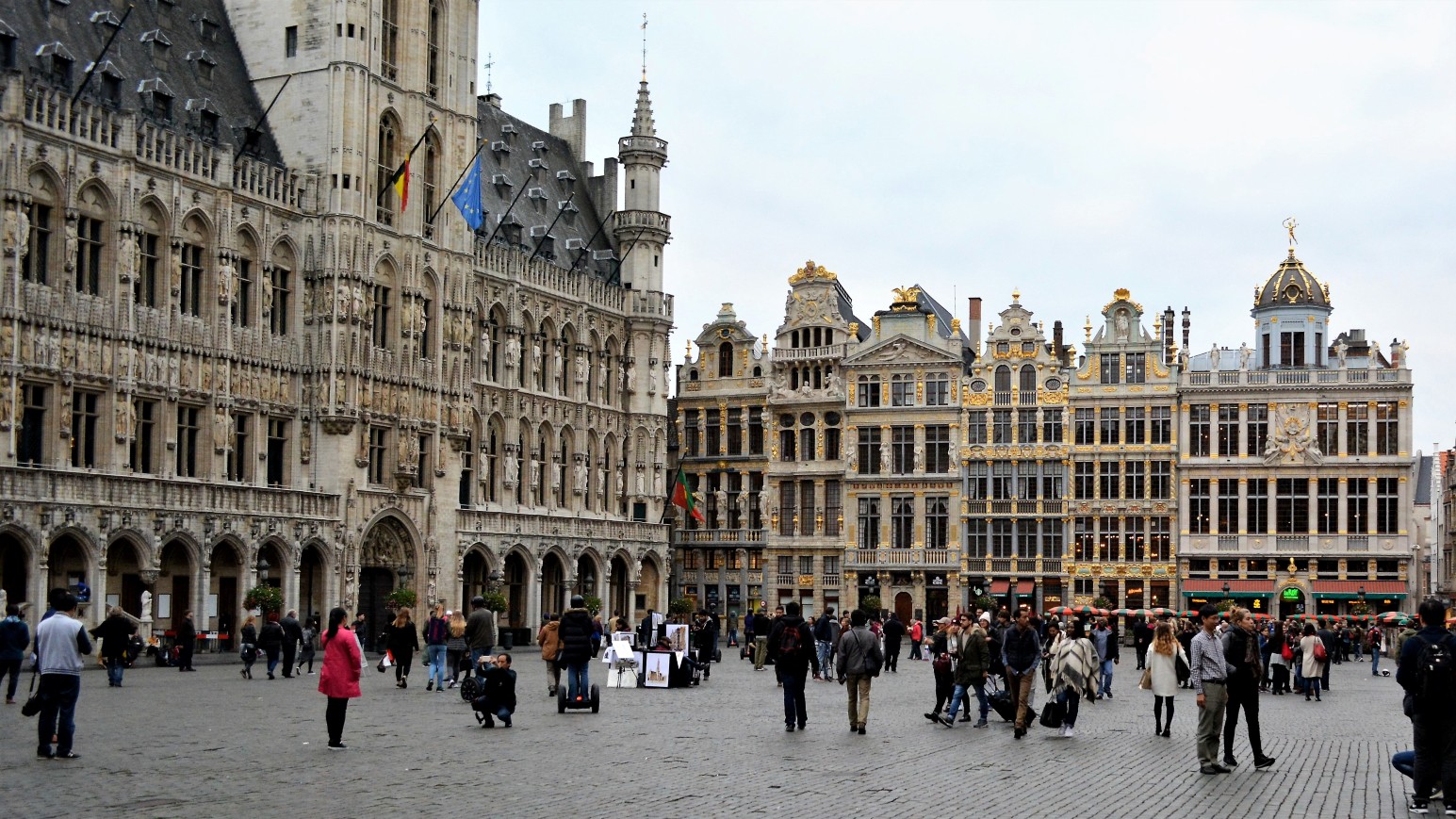
There's plenty to explore beyond bureaucracy and teaching. Brussels is dynamic, colourful, and historic. When you're not teaching, you can venture by the Grand Place with a fluffy waffle or gaze at art nouveau architecture. If you want to up the tempo, indulge in local beer at brown cafes (traditional Belgian pubs) and hike through the Sonian Forest to get your steps in.

Teaching English in Antwerp
Between Antwerp, Ghent, and Bruges, it's hard to choose a close second behind Brussels, but given Antwerp's size and population that creates plenty of teaching opportunities, it's hard to ignore this pocket-sized metropolis.
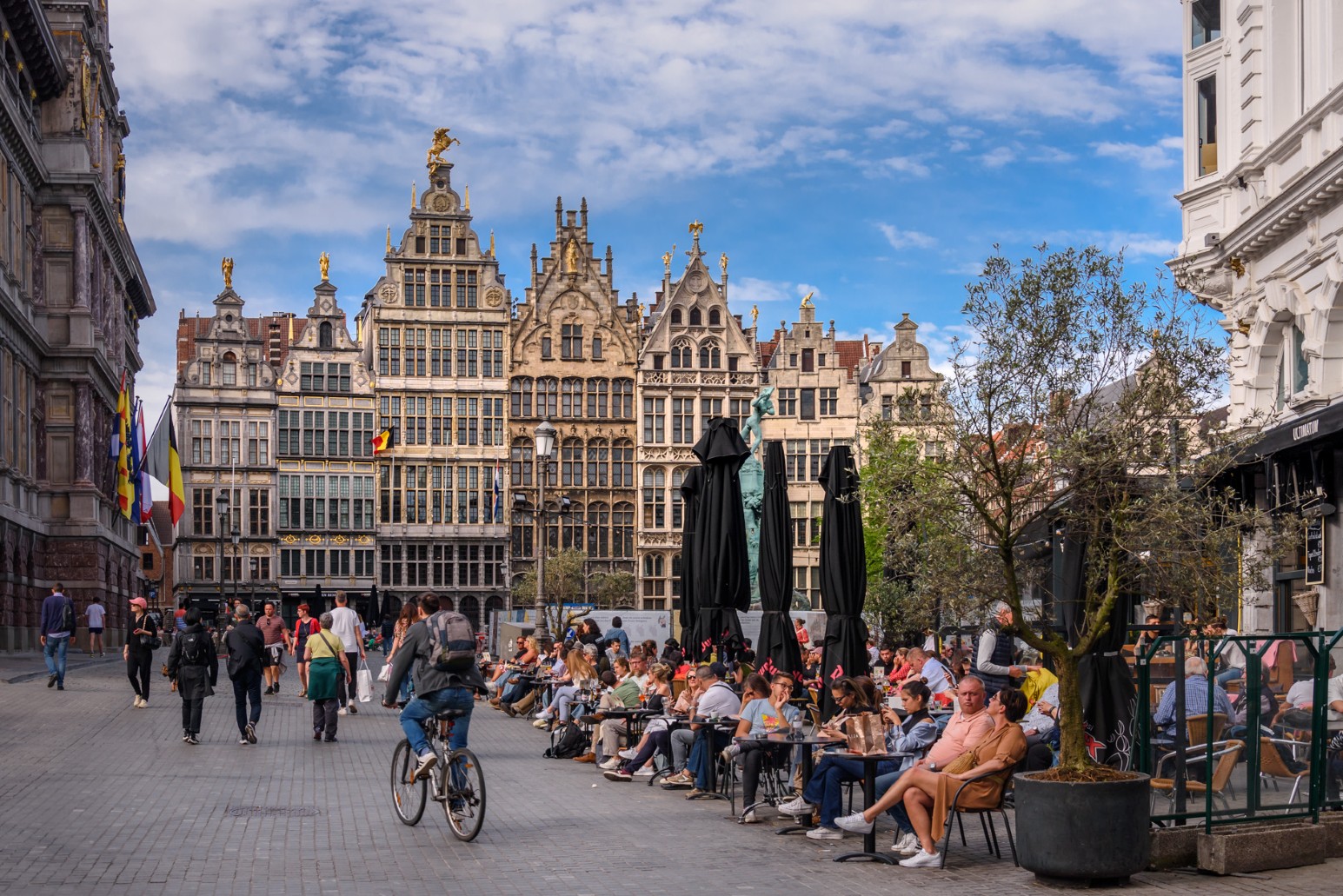
From the moment you step off at its neo-gothic train station, you'll instantly be drawn to Antwerp's cool charm. Combining medieval relics with fashionable boutiques and a thriving art scene, Antwerp blends historic and contemporary style. When you're not teaching energetic students, you can navigate cobblestone alleyways in the old town, head to Borgerhout – "Europe's coolest neighbourhood", or sip beer at cafe den engel on the old market square.
Ready to Teach English Abroad? Don't Forget Your TEFL Certificate
Before you start thinking of booking your flights to teach abroad, you'll need to be TEFL certified! Whether you're thinking about teaching adults at private schools or young learners in public education, a TEFL course teaches you to become a skilled and confident leader in the classroom. From helping students understand complex grammar to planning and delivering engaging lessons, a TEFL course is the first step towards your professional growth in the international classroom.
Get started today with our accredited 120-hour TEFL course.
Frequently Asked Questions
Q. Which city is best for teaching in Belgium?
Large cities like Brussels, Antwerp, and Ghent will offer the most teaching positions and a comfortable lifestyle for English teachers in Belgium.
Q. What salary do TEFL teachers earn in Belgium?
Belgium has a high cost of living compared to other European countries, but teachers can earn a salary ranging from around €1,500–€2,200 ($1,710–$2,510 / £1,280–£1,880).
Q. Are English teachers in demand in Belgium?
English teachers aren't in demand when compared to many other European countries, but you can still find teaching jobs, whether at public or private schools, or by private tutoring.
Q. Can I get a job in Belgium if I only speak English?
Yes, you can teach English in Belgium if you only speak English. Speaking the local language (whether French, German, or Dutch) is highly advantageous, though, and it can also improve the level of cultural immersion.