








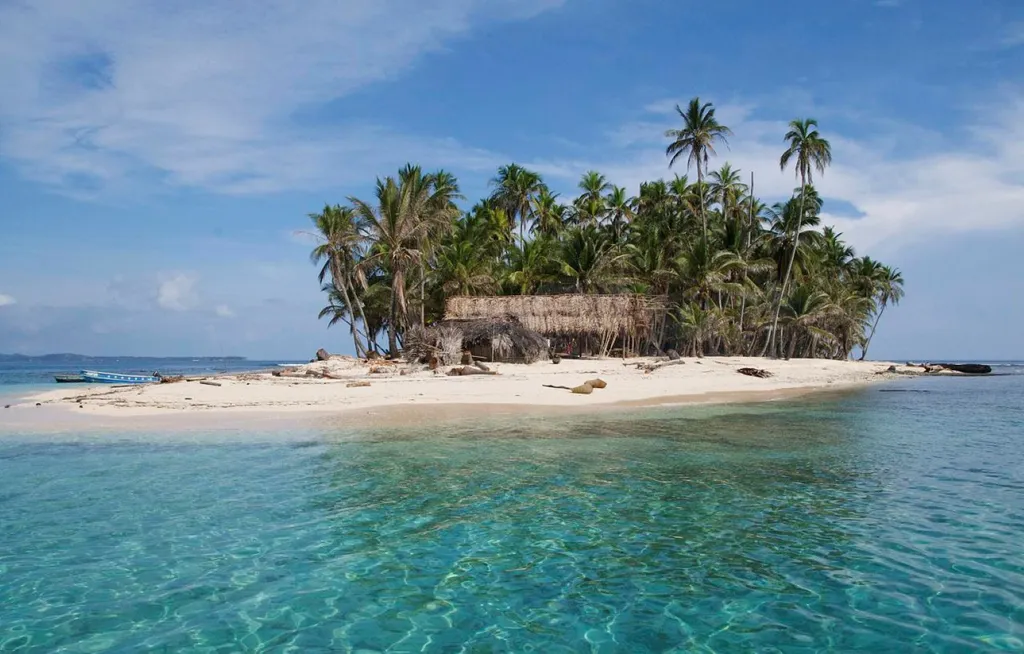
Caribbean beaches, volcanoes, and a rich indigenous culture have made Panama a popular tourist destination. As well as its role as an important global trade hub - via the Panama Canal - this small Central American country is also a unique TEFL destination, too.
With its international role and growing tourism industry driving demand for English teachers, we've outlined everything you need to know about TEFL and teaching English in Panama, including the kinds of jobs available, requirements, salaries, visas, and more.
Key Takeaways
- Panama is a global trade route, linking Central America to South America and the Atlantic with the Pacific Ocean, creating a huge demand for English speakers.
- There's a demand for English teachers, especially in private language centres and international schools.
- Most reputable schools in Panama require teachers to have a TEFL certification and a degree.
- The average salary for a TEFL teacher in Panama is around $800–$1,200 USD / £600–£895 per month.
- Most teaching jobs are found in the capital, Panama City.
- Teachers need to apply for a visa while their school sponsors their work permit; many teachers in Panama work on tourist visas which is technically illegal.
Requirements for Teaching English in Panama
As an under-the-radar TEFL location, the requirements for teaching English in Panama can be difficult to pin down. But while the teaching market isn't as busy as neighbouring countries, there's still a demand for English teachers in Panama.But schools can still be selective of who they hire, so you'll need to come prepared.
Do I need a TEFL certificate to teach in Panama?
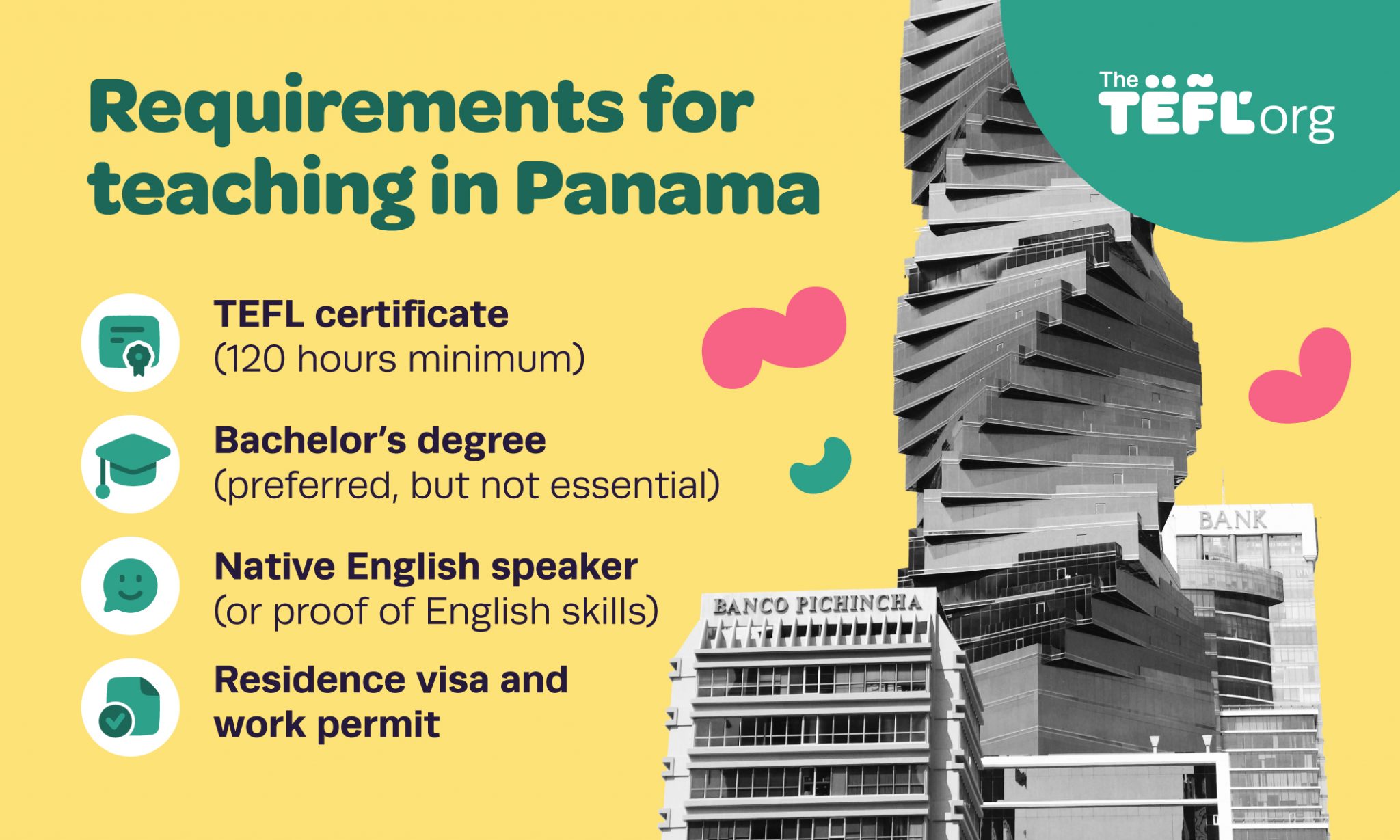
Not legally, but you won't find much luck without a TEFL certificate in Panama. Most teaching jobs in Panama require at least 120 hours of TEFL training, which shows employers you've been trained in the essentials, including lesson planning, classroom management and teaching English as a foreign language.
If you want to go even deeper into TEFL theory, go for the Level 5 TEFL course to improve your knowledge and stand out in the market.
Tip: Panama's role in international trade (especially with the US) means that teaching Business English is a valuable skill.
Can I teach English in Panama without a degree?
It's not a legal requirement, so you can teach English without a degree in Panama (just as long as you're TEFL certified). But not having a degree will limit the scope of your job search and lower your salary potential.
Do I need teaching experience?
You can teach English without experience in Panama, but employers generally prefer experienced teachers. You can level the playing field in the market by becoming TEFL certified, but having teaching experience will boost your job search and earning potential.
Visa requirements for teaching in Panama
To work in Panama legally, you'll need to complete two steps; getting the residency visa and then applying for the work permit once you've arrived in Panama.
You can get the residency visa (or residency permit) by applying to the National Immigration Service, and then by applying for the work permit at the Ministry of Labor (MITRADEL).
Your school will help sponsor your application, but you'll need to provide the following documents:
- Work permit application completed by a legal professional
- Letter of employment or job contract
- Clean criminal background check
- Documentation from the National Immigration Service demonstrating permanent residence
- Documents to be apostilled at a Panama consulate; translated by a certified Panamanian translator; certified at the Ministerio de Relaciones Exteriores
Tip: Some schools avoid the paperwork and costs by having teachers work on tourist visas. Teaching without a work permit is technically illegal and risks fines or deportation, regardless of how laid back Mañana culture is.
If you're an online English teacher, you can even enter Panama on a digital nomad visa (Short Stay Visa for Remote Workers) for 9 months if you meet the requirements:
- Proof of contracts with foreign clients
- Annual salary of over $36,000
- Proof of medical insurance
Take a look at how Matt and Perlie spend their time as digital nomad and online English teachers in Panama:
Download our guide to teaching English in Latin America
Everything you need to know about teaching English in Latin America
Salary and Cost of Living
While Latin America is generally affordable, you should still research the expenses and TEFL teacher salaries because living in Panama might be more expensive than you think.
How much can you earn teaching English in Panama?
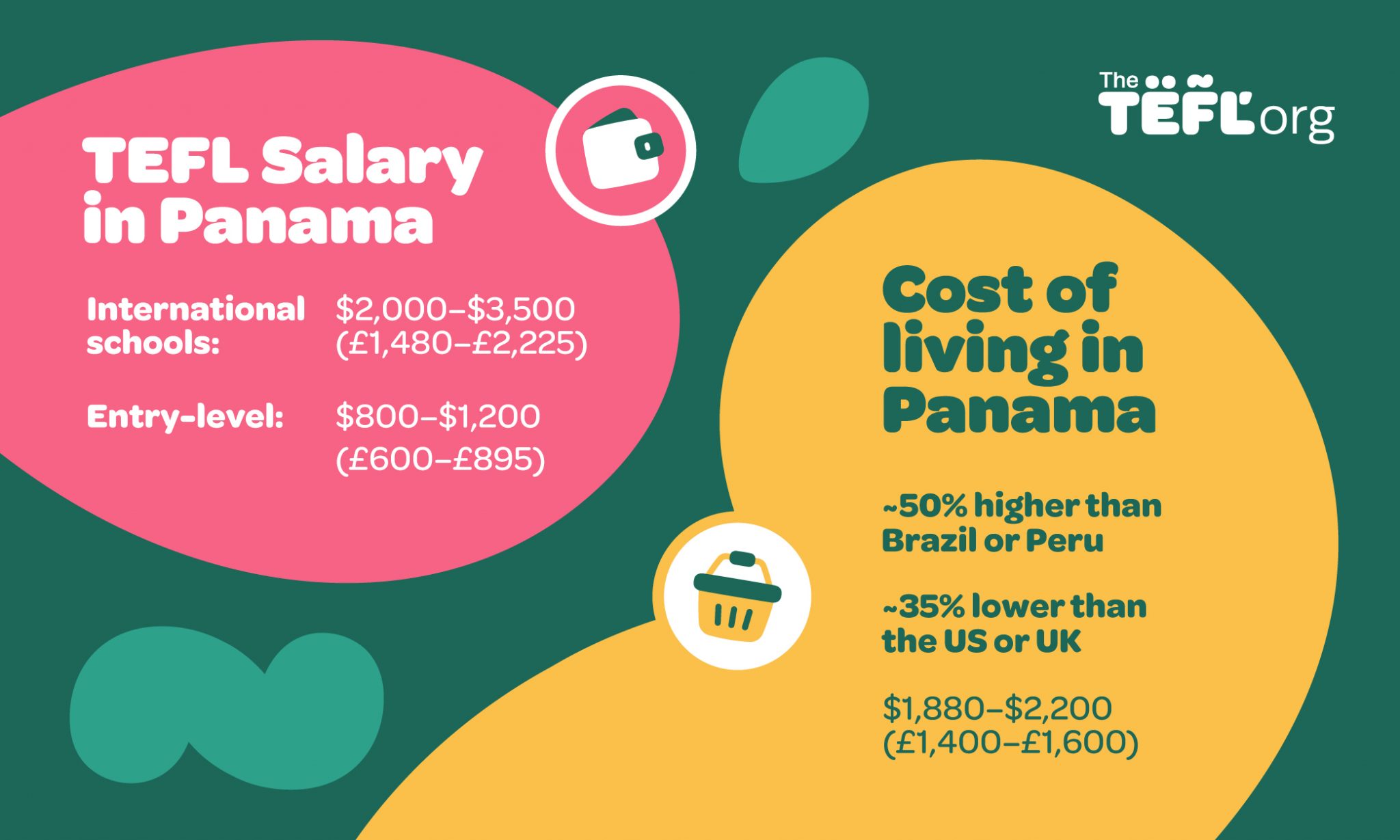
Teachers usually head to Panama for the quality of life, not the salary. The average salary for teachers ranges from $800–$1,200 (£600–£895) per month. It's worth arriving with some savings, as it's difficult to save money on a local teaching salary.
But there's no one-size-fits-all answer, and teachers with a degree, TEFL certificate, teaching licence or previous experience can expect to earn more.
Private language schools are often the easiest way to get started, while international schools typically offer salaries of around $2,000–$3,500 (£1,480–£2,225). Location matters too. Panama City tends to offer the highest salaries, but the cost of living is higher than in many other parts of the country.
Tip: Some teachers teach English online in their free time to boost their income.
How much does it cost to live in Panama?
The cost of living in Panama is around 35% more affordable than the US or UK, but it's still expensive compared to other Latin American countries. To put things into perspective, living costs in Panama are around 50% higher than Brazil or Peru.
A single person might spend around $1,880–$2,200 (£1,400–£1,600) per month in Panama. Cost of living is cheaper beyond the capital and touristic coastal towns, with cities like David and San Miguelito offering lower costs than Panama City.
But don't worry, you can still get by and live a comfortable lifestyle with these tips:
- Look beyond Panama City: Most teaching jobs are in the capital city, but don't rule out other locations if you can find jobs elsewhere. While you might find a higher paying job in Panama City, the cost of living is also much higher than other areas, and living in the city centre is much more expensive than the outskirts.
- Shop like a local: Buying local instead of imported goods will save you plenty of money. In Panama, you can find plenty of fresh food markets to stock your fridge at home.
- Split the rent: Multi-generational living is common in Panama, so most apartments will have multiple bedrooms. So instead of renting a 1-bed apartment, try splitting the rent with other teachers or expats to save up to $300–$500 (£225–£370) per month.
- Take public transport: Panama City has a modern public transport system, and monthly passes cost as little as $21, or $0.35 per journey. If you're travelling domestically for a holiday, take the bus instead of flying.
- Use Uber over taxis: Uber offers stable rates whereas some taxi drivers may overcharge foreigners, especially when you're finding your feet in a new country.
| Restaurants | PAB | USD | GBP |
|---|---|---|---|
| Inexpensive restaurant meal | |||
| Domestic beer (0.5 litre) | |||
| Regular cappuccino | |||
| Water (0.33 litre) | |||
| Markets | PAB | USD | GBP |
| Regular milk (1 litre) | |||
| Loaf of white bread | |||
| Regular eggs (1 dozen) | |||
| Apples (1 kg) | |||
| Transportation | PAB | USD | GBP |
| One-way ticket (local transport) | |||
| Monthly pass (regular price) | |||
| Taxi start (normal tariff) | |||
| Gasoline (1 litre) | |||
| Utilities | PAB | USD | GBP |
| Electricity, heating, cooling, water, and garbage (for a regular apartment) | |||
| Regular prepaid monthly mobile tariff with 10GB+ data | |||
| Internet (60 Mbps, unlimited data, cable/ADSL) | |||
| Clothing and shoes | PAB | USD | GBP |
| Pair of jeans (Levis 501 or something similar) | |||
| Summer dress in a chain store | |||
| Nike running shoes (mid-range) | |||
| Men's leather business shoes |
English Teaching Jobs in Panama
The best teaching job for you depends on your qualifications, experience and the kind of school you'd like to work in.
Most English teaching jobs for foreigners come in the private sector in language schools or international schools. The academic year in Panama starts in late February/March until December, but language schools often hire year-round. And while many teachers search for work in-country, it's also possible to find jobs online on platforms like AMISA, Serious Teachers, TES, or by attending virtual or in-person job fairs.
Public schools
In early 2025, the national curriculum was updated to focus more on English, so the language is becoming more important in public education. But most public schools prefer to hire local teachers, unless foreign applicants have strong qualifications, TEFL certification and fluent Spanish. Generally speaking, teachers at public schools work in larger classrooms and with fewer resources or teaching materials compared to private schools.
What to expect at public schools in Panama:
- Teaching larger classrooms
- Mixed levels of English within the same classroom
- High requirements for foreign teachers; strong preference given for fluent Spanish speakers
Private language schools
Most language schools (or language centres) offer evening and weekend classes to children, teenagers, college students and business professionals, and courses range from general English to exam preparation and Business English. Teachers with qualifications in ESP (English for Specific Purposes) subjects are valuable at these kinds of schools. Popular English language schools include Future Business Learning, ELS Language Centres, Skool, and more.
What to expect at language schools in Panama:
- Teaching evening and weekend classes
- Small class sizes of mixed age students
- Specialised subjects like exam preparation or business English
International schools
Advanced teachers can find the best salary and benefits at international schools. These schools cater to students who come from all over the world, learning English from an international curriculum alongside Spanish. These schools often have excellent facilities and benefits, but teaching expectations are high. Popular international schools in Panama include ISP, King's College, and Oxford School.What to expect at international schools in Panama:
- Working a traditional school schedule
- Smaller classrooms
- High requirements; teachers often need a degree, a valid teaching licence, TEFL certification, and experience
Tip: Some international schools in Panama prefer teachers with American accents.
Private tutoring
Many teachers become private tutors during their free time to earn extra income while teaching in Panama. There are many students who can't commit to language courses and prefer to learn English for an hour or so a week instead. Depending on your experience, you could charge around $10–$25 per hour for private lessons.
What to expect as a private tutor in Panama:
- Teaching online or in-person
- Finding your own students and network
- Charging your own hourly rate depending on your experience and students
Teaching English in Major Cities
From coastal towns like Coronado and Nueva Gorgona to bigger cities like the capital or David, there are a number of cities for teachers in Panama to consider.
Teach English in Panama City
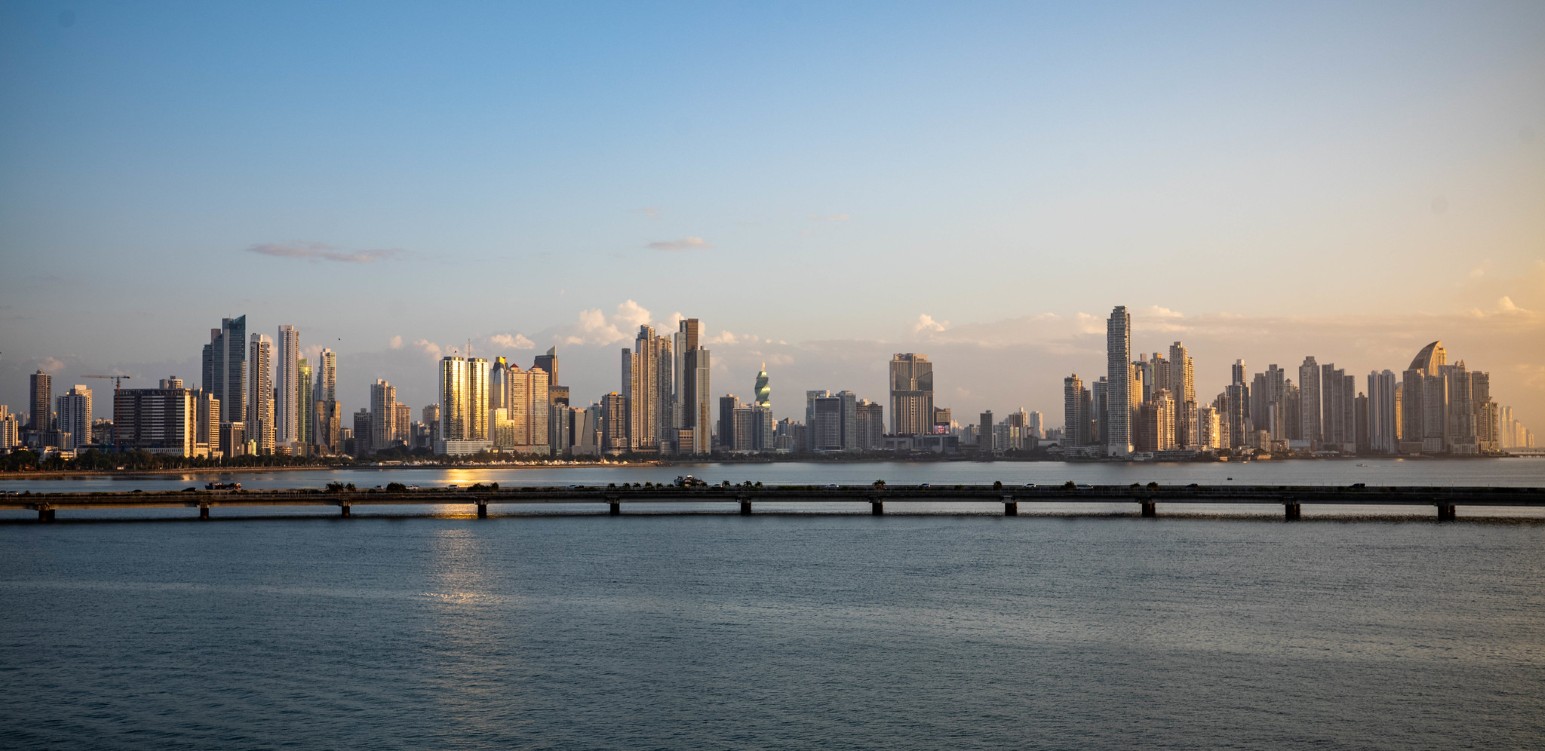
Panama City was the first European settlement on the Pacific Coast of the Americas. Today, this historic city is the country's political and economic centre, and there's a busy education market that values English language skills.
There are plenty of schools in the capital, from English language centres specialising in ESP subjects to international schools and universities like USMA, the GANEXA, and the UIP.
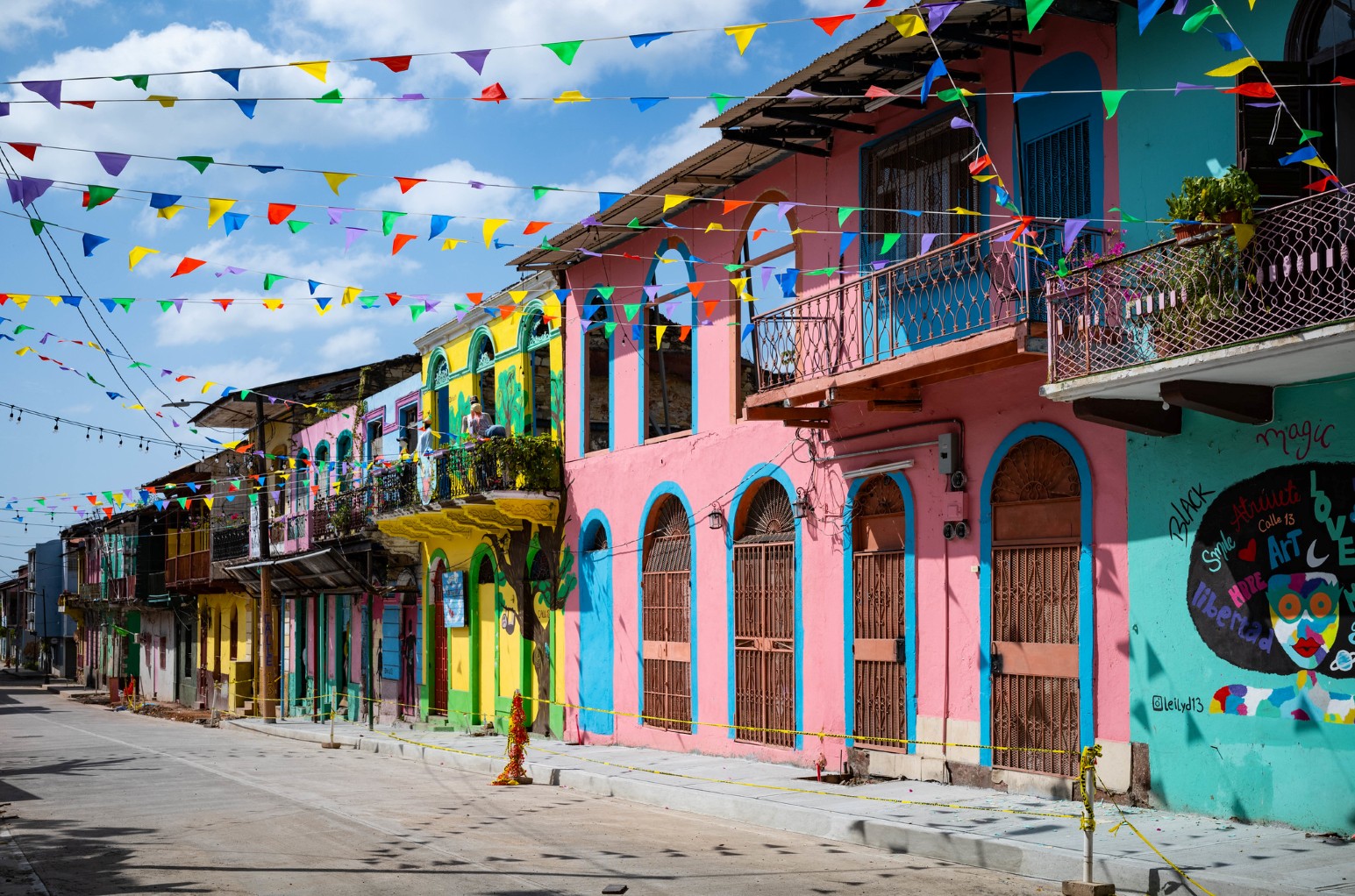
Beyond teaching, Panama City is recognised as a UNESCO Creative City of Gastronomy. Outside the classroom, teachers can take a day trip to the Pearl Islands, visit the historic Old Panama (Panamá Viejo), or stroll along the colonial streets of Casco Viejo or the Cinta Costera waterfront.
Ready to Teach English Abroad? Get TEFL Certified
Before you start your teaching abroad journey in the Americas, you'll need to be TEFL certified. Employers look for TEFL qualifications while sifting through CVs not just because it's a technical requirement, but it's a practical one too.
With a TEFL course, you'll learn how to manage large classrooms, teach complex grammar structures, plan and present lessons, and so much more. The qualification itself will help you find jobs abroad, and the learning process will make you feel like you belong in the classroom.
Why not get certified today with our 120-hour TEFL course to launch your career?
Frequently Asked Questions
Q. How much do English teachers earn in Panama?
It depends on the level of qualifications and experience. Teachers with a TEFL certificate and bachelor's degree can expect to earn around $800–$1,200 USD / £600–£895 per month.
Q. Do they teach English in Panama?
Yes, English is taught in public and private schools in Panama, but the national language is Spanish. But English isn't widespread in Panama, so there's still plenty of opportunity for teaching abroad here.
Q. Are English teachers in demand in Panama?
Yes, English teachers are in demand in Panama due to its strong-performing economy, tourism, and proximity to the US.
Q. Do I need to speak Spanish to teach English in Panama?
No, many Panamanian schools want students to be completely immersed in an English-speaking environment, often with a native English speaker. That said, having Spanish skills will definitely boost your application because it means you'll be able to communicate with co-workers and adjust to the culture more easily.
Q. How can I teach English abroad in Panama?
To teach English abroad in Panama, you'll need English fluency and a TEFL certificate. You can search for teaching positions online by applying for Panama teaching jobs and receiving visa support from your employer. Or, you can arrive in Panama visa-free and search for work in-country.