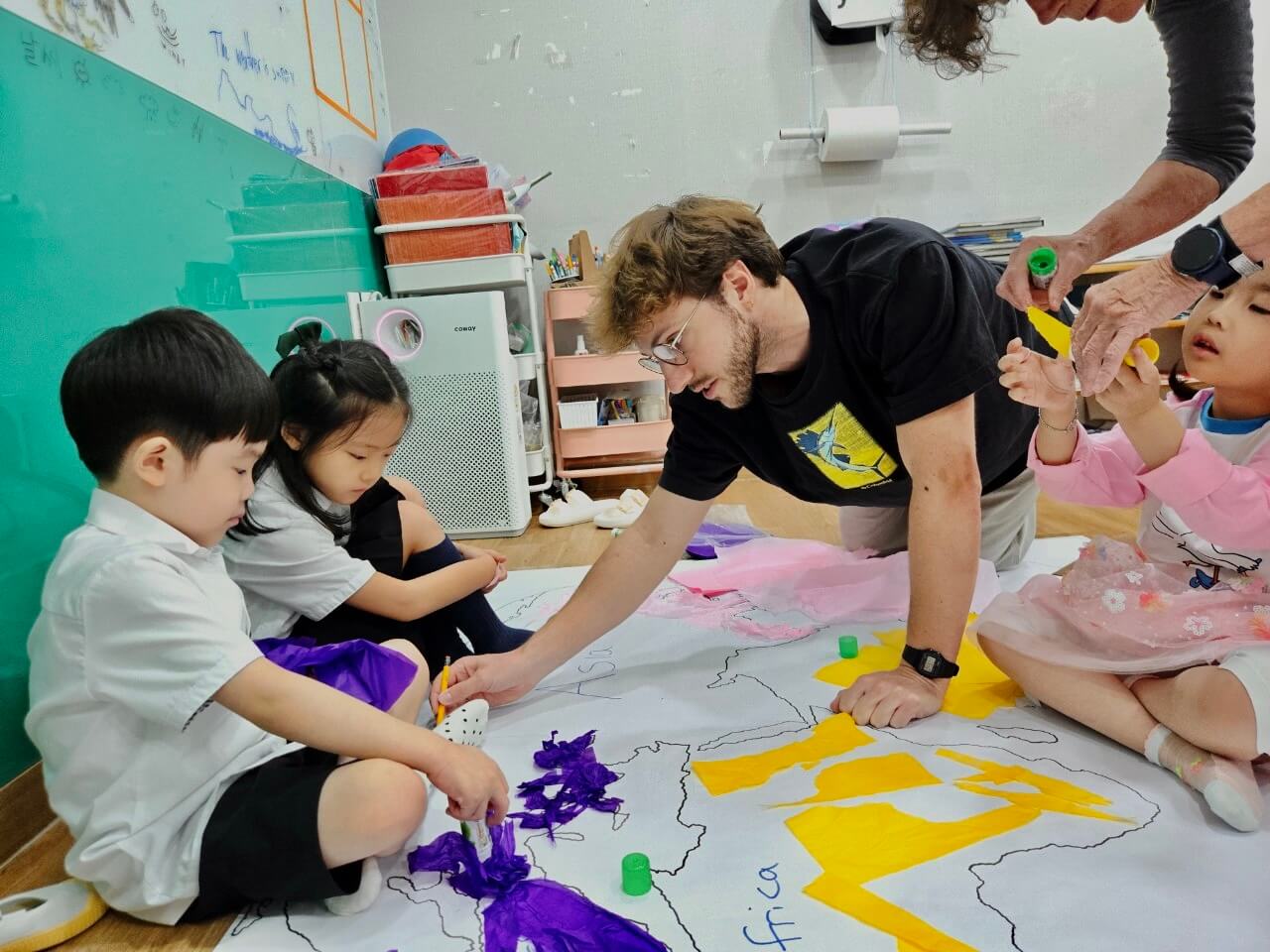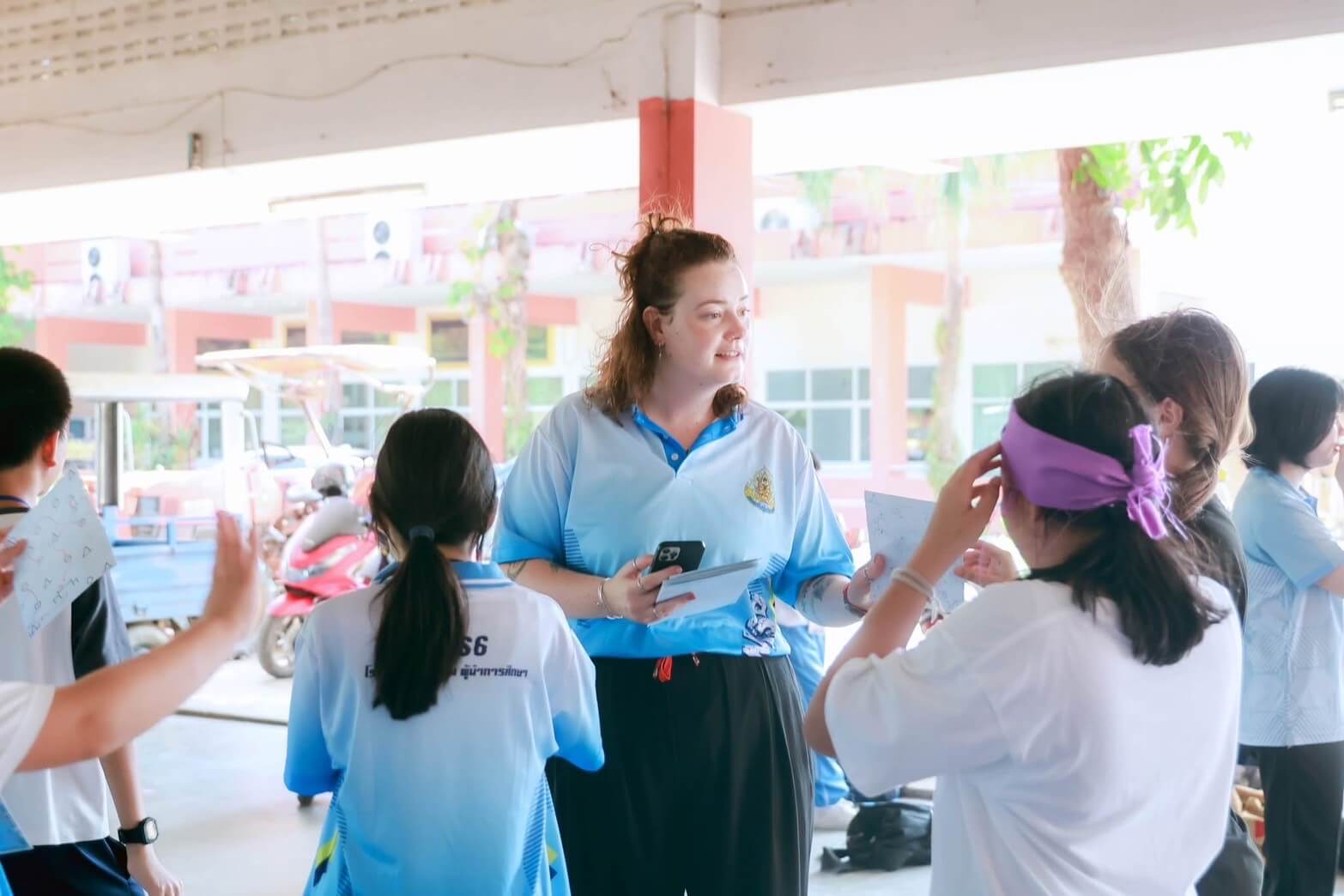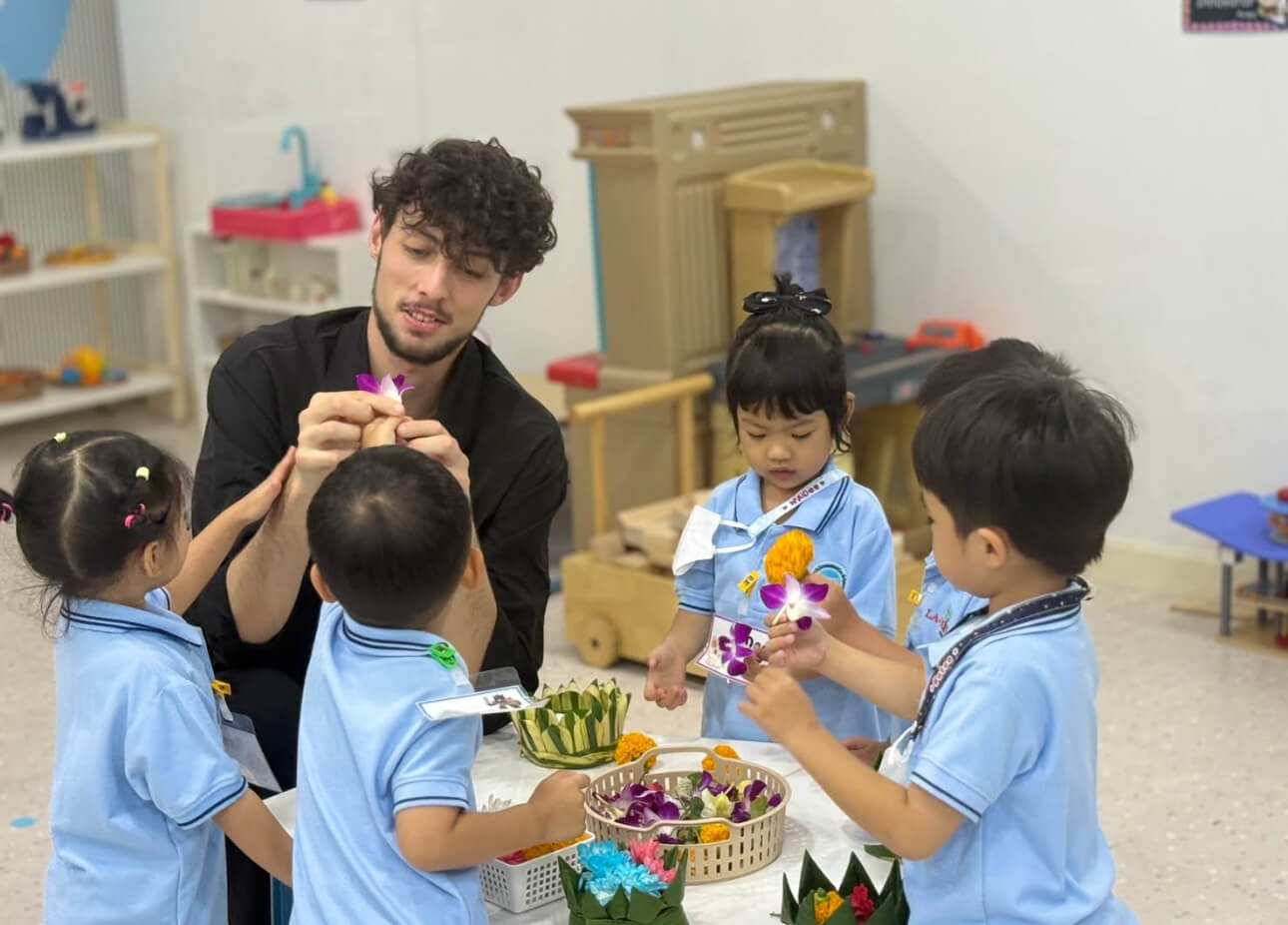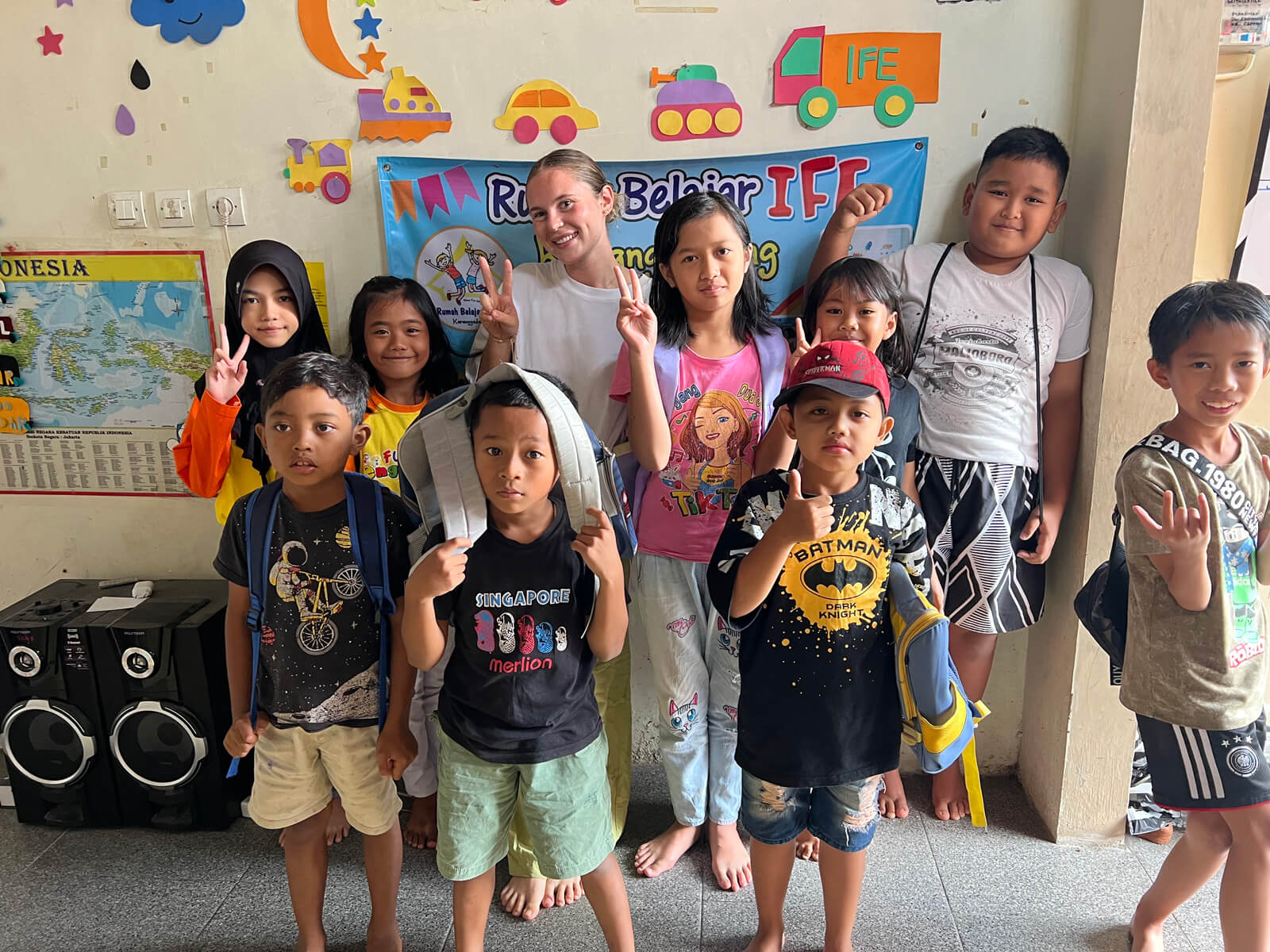









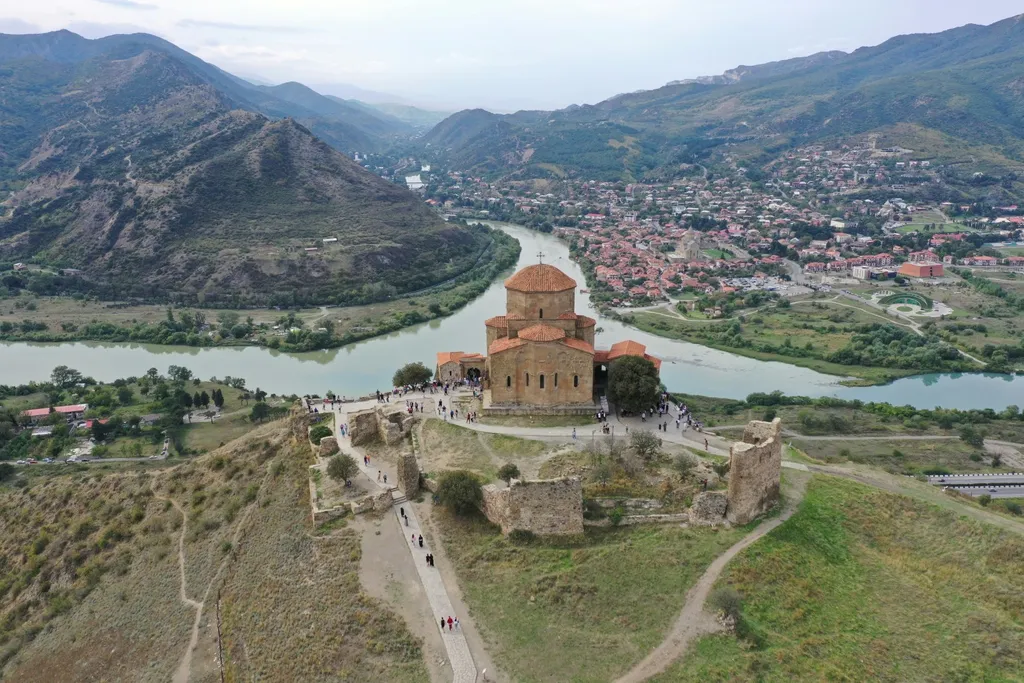
Georgia’s sweeping landscapes, centuries-old monasteries, and blend of European and Soviet appeal makes it a top location for backpackers and digital nomads. But there’s also plenty of opportunities for English teachers sitting at the crossroads of Europe and Asia on the Black Sea.
Although its history is rooted in communism, Georgia is angling towards a western European market, and English language proficiency is growing. Today, more students are learning English which creates a growing demand for TEFL teachers. Read on for The TEFL Org’s guide on teaching English in Georgia, from the job requirements, salary, visa process, and more.Key Takeaways
- The demand for English teachers is increasing in Georgia, with teaching jobs in public, private, and international schools.
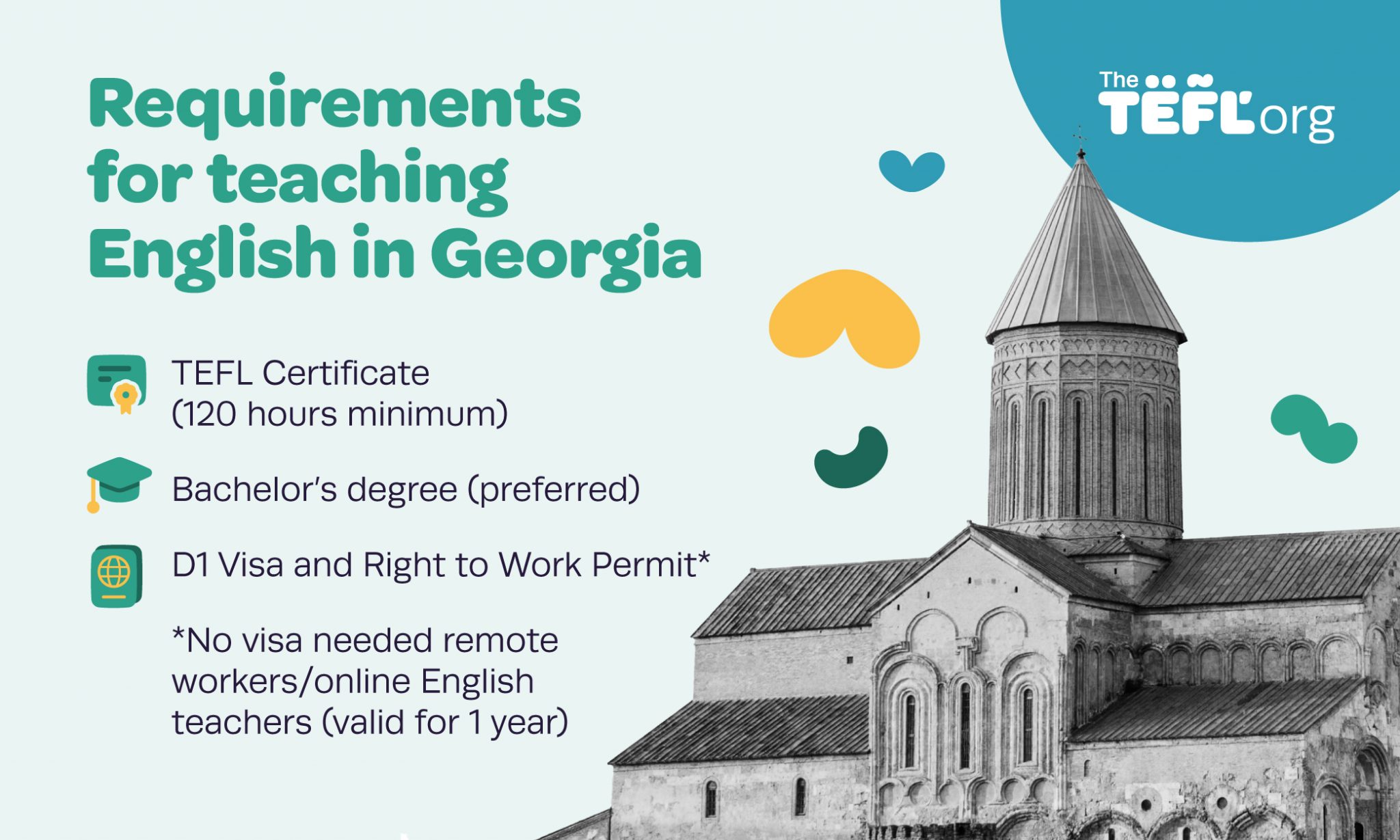
- Most teaching positions in Georgia require a 120-hour TEFL certificate and a bachelor’s degree, while native English speakers are preferred.
- TEFL teachers in Georgia earn from around ₾750–₾3,160 ($285–$1,200 / £215–£900) per month, or more working at an international school.
- Teachers can apply to jobs directly or join a teaching programme like Teach & Learn Georgia (TLG)
- English teachers need the D1 Visa and Right to Work Permit to work in Georgia legally.
Requirements for Teaching English in Georgia
Georgia still sets a high benchmark for English teachers. Universities and schools are offering more and more English courses, so English teachers need to understand that they can’t arrive unprepared and expect to find work.
Here’s everything that you need to know about the requirements for teaching abroad in Georgia.
Do I need a TEFL certification to teach English in Georgia?
Not legally, but most employers in Georgia look for teachers with TEFL training. A TEFL certificate shows that you’ve put in the hours to learn about essential skills like teaching grammar, lesson planning, and classroom management.
A 120-hour TEFL certificate is enough for most jobs, but you can top up your current TEFL training with an advanced course or study the 250-hour Level 5 TEFL course to increase your depth of knowledge and boost job prospects.Do I need a degree to teach English in Georgia?
In most cases, you need a bachelor’s degree to teach English in Georgia. Most employers look for teachers with a degree in any subject, but it helps if you’ve got a degree in English or education. If you’re in your final year of university/college study, you can still find jobs through the Teach and Learn with Georgia (TLG) programme.
Don’t worry, you can still teach abroad without a degree in other countries in Europe, Asia, and Latin America!
Can I teach abroad in Georgia without experience?
Employers in Georgia are open to hiring teachers without experience if you have a TEFL certificate. This is because even if you don’t have experience, completing a TEFL course means that you’ve learned the essentials of teaching English as a foreign language.
Most of these jobs come through private language schools or as a language assistant at a public school. But if you’re looking for a handsome salary, employers at high-paying private school or international school jobs require a few years of experience.
Visa requirements for English in Georgia
Georgia applied for EU membership in 2022, but it isn’t a member yet, so you’ll need to apply for a D1 Visa and Right to Work Permit regardless of nationality.
You’ll need to find a job first, and then you can apply for the visa and work permit with the support and sponsorship of your employer. Planning to freelance full-time? You’ll need to register as self-employed and apply for a Special Labour Permit.
To get the work permit, you’ll need the following:
- Proof of contract with Georgian employer
- Clear criminal background check
- Proof of academic and professional qualifications
- Health insurance
Visitors from the EU, UK, US, Canada, and Australia can enter and work remotely in Georgia for 365 days, visa-free. This makes it easier to find jobs in-country, but you can also earn a salary teaching English online while living in Georgia if you meet the following requirements:
- Show a stable income of $2,000 per month or have $24,000 in savings
- Have proof of work with foreign employers — not local employers in Georgia
- Health insurance
Tip: If you do work remotely in Georgia, you become a Georgian tax resident once you spend longer than 183 days within 12 months.
Important: The information above is not intended to be legal advice. Please visit the official Georgian government website for the latest update rules.
Download our Teaching English in Europe Guide
Find out how teaching English in Georgia compares to other European countries.
Salary and Cost of Living
Georgia is affordable compared to other European countries, but affordable countries usually offer lower salaries. Here’s everything you need to know about the cost of living and teacher salary of Georgia.
How much can you earn teaching English in Georgia?
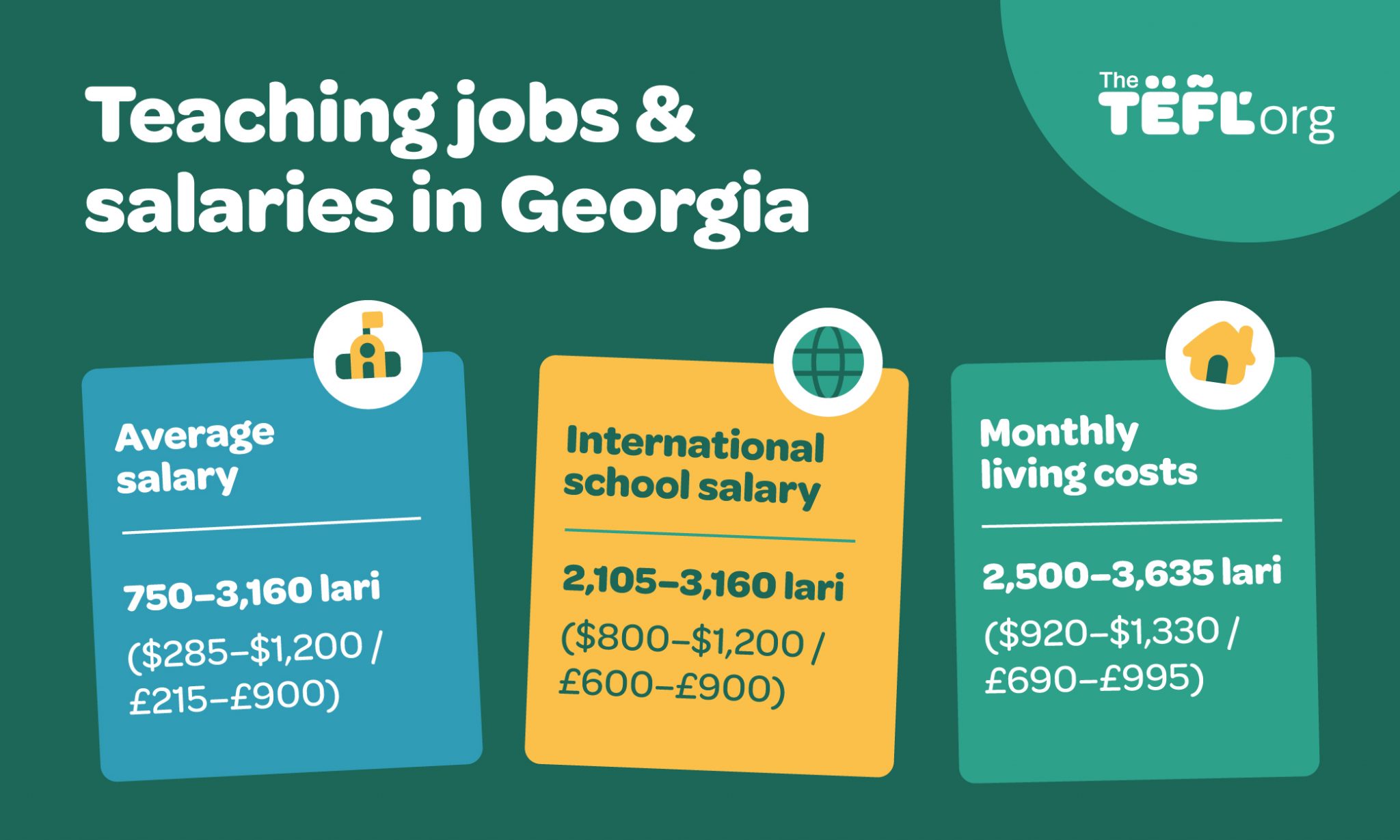
TEFL teachers in Georgia earn from around ₾750–₾3,160 ($285–$1,200 / £215–£900) per month. Generally, language assistant roles pay less than private school or international schools, but they often include benefits like free accommodation.
Some private language schools and international schools especially offer the highest salaries, ranging from around ₾2,105–₾3,160 ($800–$1,200 / £600–£900) per month. But you’ll need to have more experience or higher qualifications for these roles.
How much does it cost living in Georgia?
Georgia offers plenty of affordability, and English teachers can expect to spend around ₾2,500 ($920 / £690) per month or ₾3,635 ($1,330 / £995) per month in Tbilisi. So even with a low teaching salary, you can live a comfortable lifestyle in Georgia.
Living comfortably on a budget isn’t a problem in Georgia, but you might need to adopt mindful spending habits if you want to save money. Here’s how you can save up as a teacher in Georgia:
- Think beyond salary: Don’t just focus on salary when looking for teaching jobs.
- While language assistant programmes might offer low salaries, you might save more money in the long run with benefits like free accommodation.
- Live outside the centre: If you’re living in a popular city like Tbilisi, avoid the touristy centre. Living outside the city centre can save you up to ₾350+ ($130 / £100) per month — enough to cover your gym membership, mobile plan, restaurant meals, and then some!
- Eat like a local: Georgian food is delicious, and you’ll save money by staying local than buying imported food. From soup-dumplings like Khinkali to cheesy Khachapuri or Shawarma, you can expect to pay from ₾1–₾10 ($0.40–$3.80 / £0.30–£2.85) per dish.
- Embrace nature and history: From free walking tours to adventurous hiking trails by sweeping landscapes, you can do so many things without involving your wallet.

English Teaching Jobs in Georgia
Most teachers find English teaching jobs in Georgia by applying directly to schools, using job boards or joining programmes like Teach and Learn with Georgia (TLG). If you want to be as direct as possible, you can even enter Georgia visa free and look for work in-country — but you’ll need to do a visa run if you do find a job.
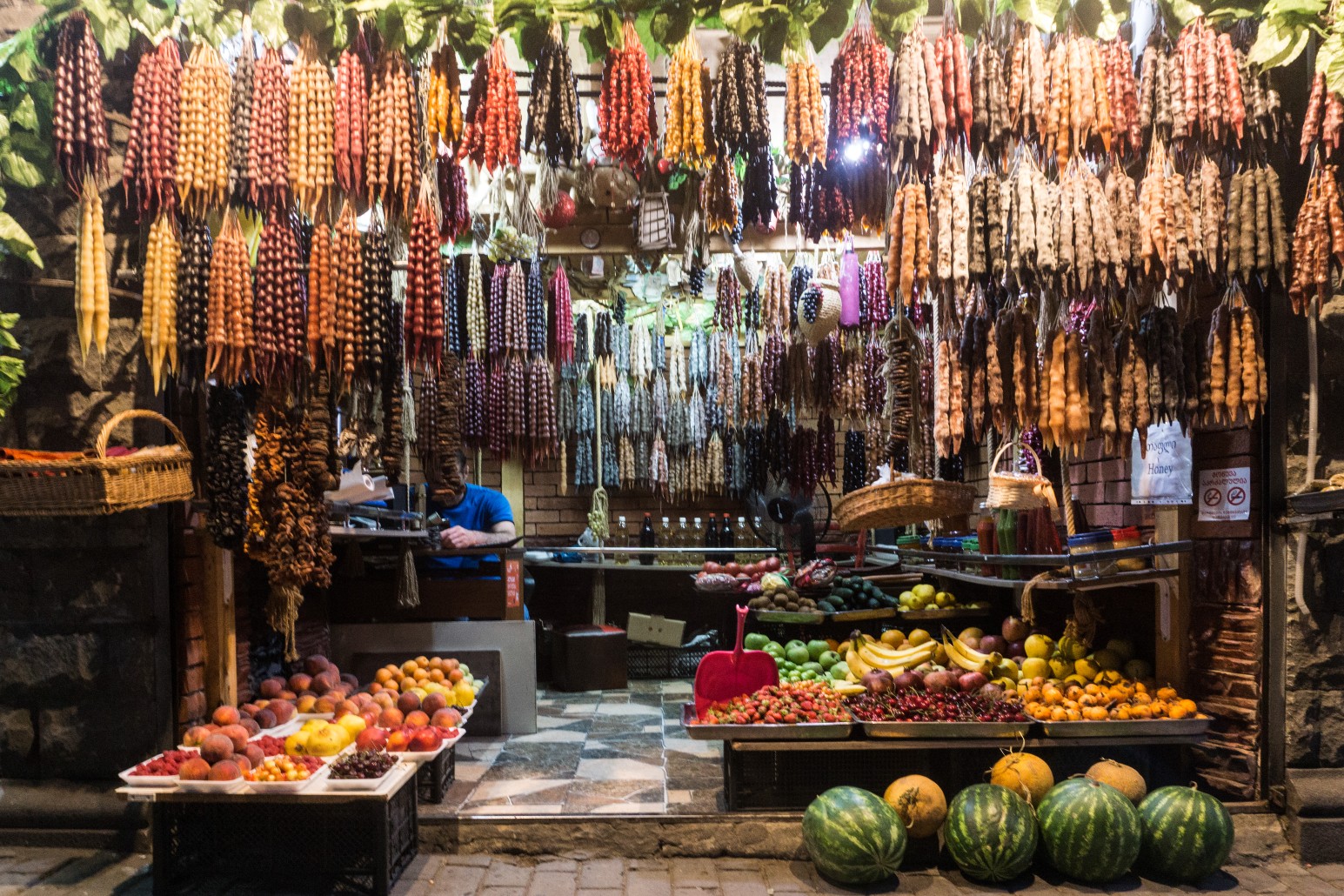
Teaching jobs exist in the public and private sectors, and teachers find more luck in the private sector due to the flexible requirements and variety between schools and curricula.
Public schools
Most public school jobs in Georgia go to locals, unless you apply to the Teach & Learn Georgia (TLG) Programme. Most foreign teachers at public schools work as a language assistant with a local teacher, offering support to students where they can and supporting classroom activities. English lessons are taught from the second grade, so teachers can expect to work at primary or secondary schools depending on experience.
What to expect teaching at public schools in Georgia:
- Monday to Friday schedule
- Following the language curriculum
- Assisting the homeroom teacher with classroom activities
Private language schools
Private language schools or language centres in Georgia offer English intensive and part-time courses to students. While these schools do also cater to young learners and teenagers, most students at these schools are adults.
Teachers with experience in business can find luck in this industry, as teaching business English is popular in Georgia among workers. International House (IH) and British Council are some of the most popular language centres in Georgia.
What to expect teaching at language schools in Georgia:
- Evening and weekend classes
- Teaching young learners, teenagers, and adults
- Focusing on ESP (English for Specific Purposes) subjects
- Smaller class sizes than public schools
International schools
International schools are the gold standard when it comes to teaching English abroad. In Georgia (especially Tbilisi), schools like the British International School, Georgian-American School, and Newton offer some of the best salaries for teachers.
At an international school in Georgia, teachers follow a US, UK, or IB curriculum and teach English as a main language, so the standard of English is much higher. Teachers need to have plenty of experience and a teaching license to apply.What to expect teaching at international schools in Georgia:
- Monday to Friday schedule
- Teaching English as the main language
- Students come from Georgia and other countries
- Excellent salary, benefits, and facilities — but requirements and responsibilities are high
Teaching Programmes in Georgia
Teach and Learn with Georgia (TLG) is a government-funded programme that places English language assistants in schools across the country. The programme was launched by the Georgian Ministry of Education and Science in 2010 to improve English education and promote cultural exchange.
As a language assistant, you’ll work with a local teacher which is a great way to gain experience without being thrown into the deep-end. Language assistants also live with a host family, which allows them to gain cultural insight and feel like a member of the community and live like a local.You’ll spend ~25 hours a week supporting lessons, planning activities and helping students build confidence in speaking English, leaving the programme with classroom experience to prepare your future in teaching abroad.
To qualify for the Teach and Learn with Georgia programme, you’ll need:
- Native English proficiency (passport from UK, Ireland, US, Canada, Australia, New Zealand or South Africa)
- Degree in any subject — or be in your final year of education
- Clear criminal background check
Teaching English in Major Cities
Here’s where you should consider for your adventure in Eastern Europe.
Teach English in Tbilisi
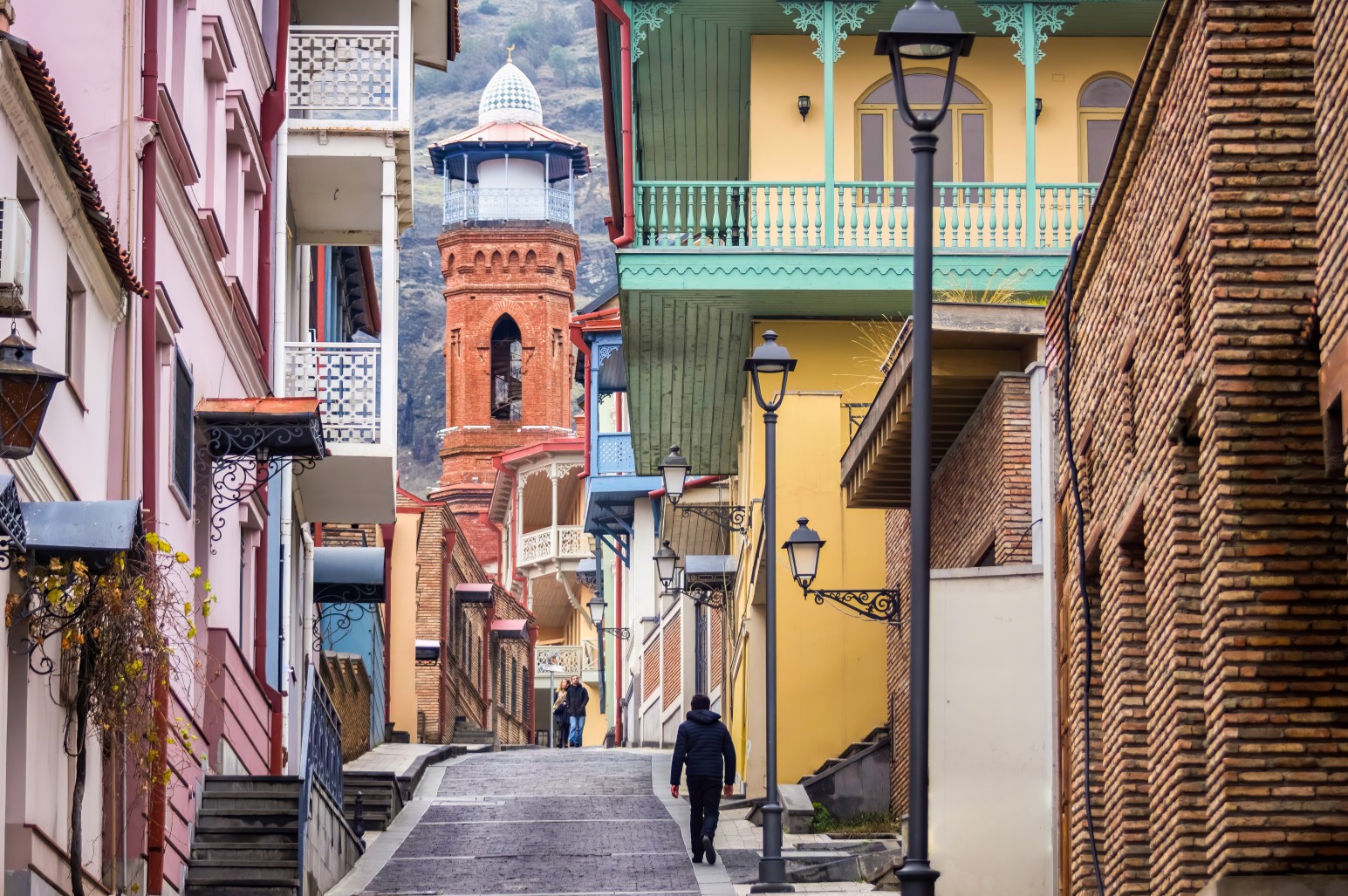
Sat at the crossroads of Europe and Asia, the capital city Tbilisi is known for combining eastern and western influences to create a pocket of contrast. With a winding old town, Soviet and medieval architecture, and elements of modernism, the city caters to whatever vibe you’re after.
English teachers can find plenty of opportunities in Georgia, with public schools through the TLG programme, language centers that focus on business English, to international schools that cater to some of the city’s brightest minds. And Tbilisi’s affordability means you can live comfortably even on a low salary.
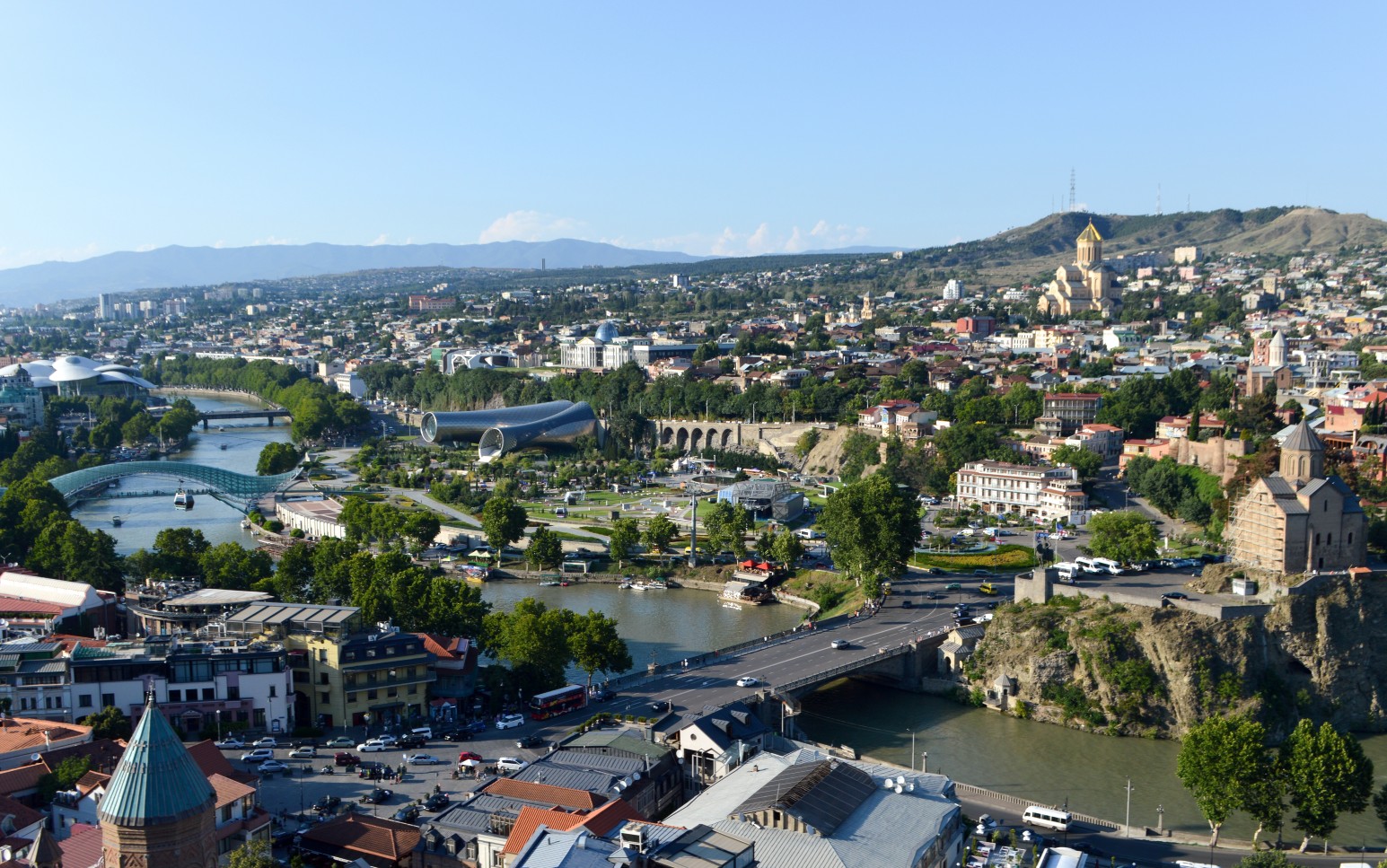
When you’re not teaching, you can live like a local and soak up everything Tbilisi has to offer. From its steam rooms, iconic Khinkali dumplings, stylish bars and Holy Mountain that overlooks the city, there’s so much to do. It’s also becoming a digital nomad hub, so beyond the friendly locals you’ll have plenty of opportunities to socialise.
Ready to Teach English Abroad? Don’t Forget Your TEFL Certificate
Before you set off to teach English abroad, you’ll need to complete your TEFL course first. A TEFL certification isn’t just a piece of paper, you’ll improve your teaching skills and classroom experience significantly by completing the course. From studying teaching methodologies, complex grammar structures, lesson planning and more, learn to teach English as a foreign language with our 120-hour TEFL certificate.
Frequently Asked Questions
Q. What visa do you need to teach in Georgia?
You need the D1 Visa and Right to Work Permit to teach in Georgia legally. But first, you need to find a job so that an employer can sponsor your application before entering the country.
Q. How much can teachers earn in Georgia?
English teachers in Georgia earn somewhere between ₾750–₾3,160 ($285–$1,200 / £215–£900) per month (or more) depending on their experience and teaching job.
Q. How much do English teachers make in Tbilisi?
Most teaching jobs in Georgia are found in the capital, Tbilisi, so teachers can expect to earn a salary ranging from ₾1,000–₾3,160 ($285–$1,200 / £215–£900) per month, or around ₾2,105–₾3,160 ($800–$1,200 / £600–£900) per month at reputable private language schools and international schools.
Q. Can I survive with just English in Georgia?
Yes, you can get by with just English in Georgia. Learning the Georgian language can help improve the level of cultural immersion you experience, but English speakers are common especially in the capital city.