





From snow-covered volcanoes to dense rainforests and the Galapagos Islands, Ecuador is an adventurer’s paradise. And while Ecuador might be the second-smallest country in South America, it has plenty to offer for English teachers.
While salaries are low in Ecuador, so is the cost of living, and the country offers teaching opportunities with the backdrop of immense natural landscapes, thriving wildlife, and a mixture of Spanish and indigenous culture. Read on for The TEFL Org’s guide to teaching English in Ecuador, from the best jobs, salaries, visa requirements, top locations, and more.
Key Takeaways
- Spanish is the official language, and Ecuador has a high demand for English teachers.
- Teachers need a TEFL certification (120 hours minimum) and a bachelor’s degree (in most cases). Non-native teachers can teach English with proof of their language skills.
- Salaries are modest, but the cost of living is low. English teachers can earn around $600–$1,000 / £445–£740 per month, or more if they work at international schools.
- Teaching jobs come in the public and private sector, but TEFL teachers will find most opportunities at language schools and international schools.
- English teachers need a working visa, either the professional visa, temporary residence work visa, or the digital nomad (Rentista) visa.
- Top locations in Ecuador include Quito, Cuenca, and Guayaquil.
Requirements for Teaching English in Ecuador
English learning is mandatory at public schools in Ecuador, but large class sizes, limited resources, and low standards of English-speaking teachers mean there’s a demand for native (and near-native) English teachers.
Here’s everything you need to know about the requirements for teaching in Ecuador.
Do I need a TEFL certificate to teach English in Ecuador?
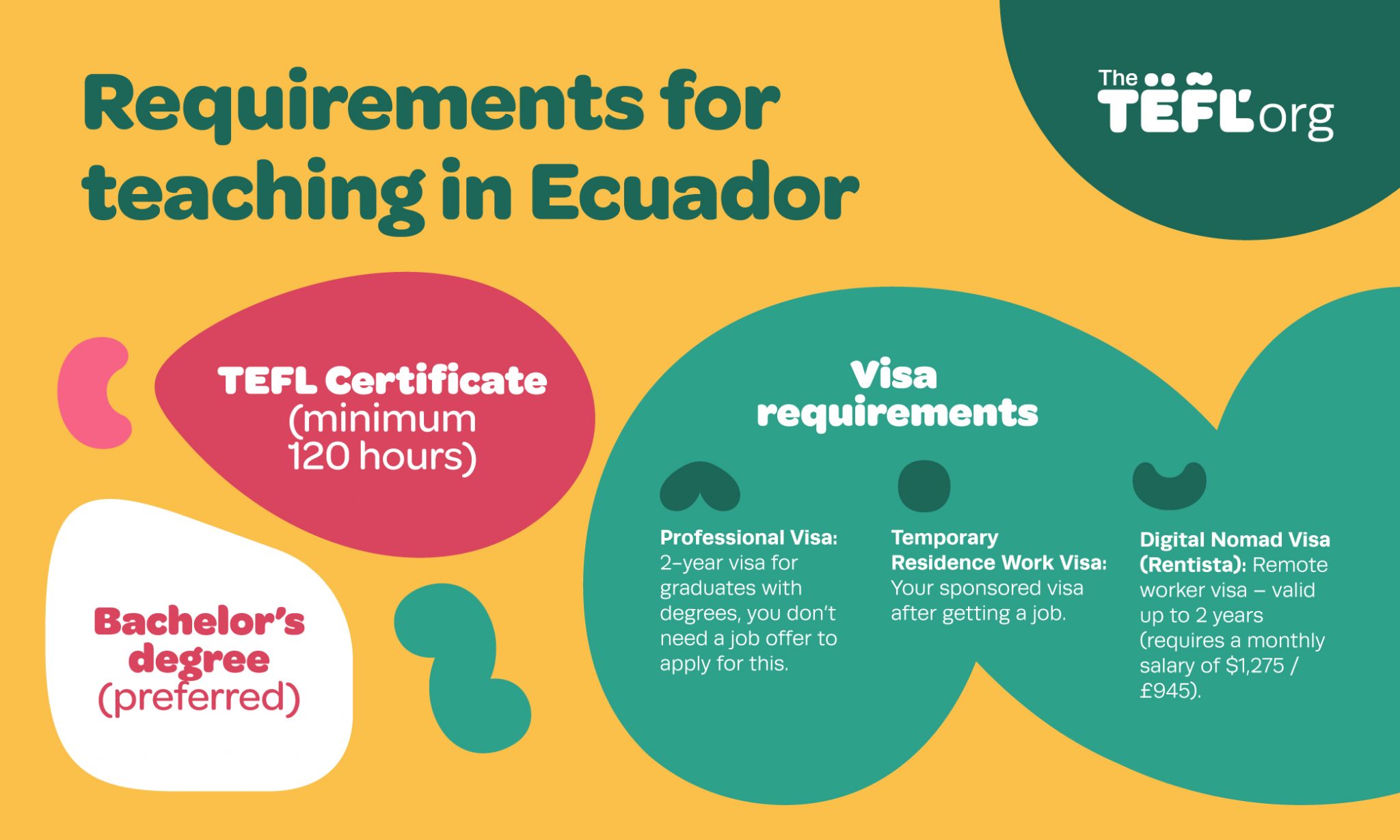
It’s not a legal requirement, but you won’t find much luck without a TEFL certificate in Ecuador. Most employers require at least 120 hours of TEFL training from teachers, because it shows that you’ve covered the essentials of teaching English as a foreign language.
In some cases, employers might ask for more — like a Level 5 TEFL course or a teaching licence — but a 120-hour TEFL certificate is usually enough for most jobs.
Can I teach English without a degree in Ecuador?
South America is a popular region for teaching English without a degree, and the same goes for Ecuador (just as long as you’re TEFL certified). But while not having a degree won’t stop you from teaching in Ecuador, it might limit your job opportunities and salary potential.
Do I need teaching experience to teach in Ecuador?
You don’t need teaching experience to teach English in Ecuador, but some employers look for experienced teachers (especially at international schools). You can still teach English abroad without experience if you’re TEFL trained, and private language schools usually have the most flexible entry requirements.
Can I teach in Ecuador as a non-native speaker?
You can teach English as a non-native speaker in Ecuador, especially if you can speak Spanish (Ecuador’s official language). If you’re a non-native speaker with a TEFL certificate, you might also need to show employers proof of your English skills with an IELTS, CEFR, or TOEFL certificate, or proof of education in an English-speaking country.
But some employers might look for teachers who have a specific accent or experience teaching a specific national curriculum.
Visa requirements for teaching English in Ecuador
To teach English in Ecuador legally, you’ll need a work visa, and there are a few ways to go about this. There are multiple visas you can choose from; which one you should get depends on your unique job path and experience:
- Professional visa: The professional visa (or Visa de Residencia Temporal de Profesional) is a two-year visa for graduates with degrees. You don’t need a job offer to apply for this. Your degree might need to be registered with the SENESCYT to prove that it’s authentic.
- Temporary Residence Work visa: Once you’ve secured a job, your employer will sponsor your Temporary Residence Work visa. You can’t get this visa without already having a job in place.
- Digital Nomad visa (Rentista): If you’re a digital nomad and an online English teacher, you can apply for the Rentista visa. With this, you can work for foreign clients for up to 2 years as long as you earn a minimum of $1,275 (£945) per month, which is much lower than digital nomad requirements in other countries. The visa costs around $400 (£295).
If you already have a job lined up with a school in Ecuador, apply for the Temporary Residence Work visa. If you have a university degree and want to enter Ecuador before finding a job, you can apply for the Professional visa.
The requirements for each visa are different, but here’s what you generally need:
- Proof of employment with a local school, or a university degree
- Or, proof of academic and professional experience
- Valid passport
- Health insurance
Download our guide to teaching English in Latin America
Everything you need to know about teaching English in Latin America

Salary and Cost of Living
Ecuador has a low cost of living, but that doesn’t mean much if you don’t know what the teacher salary is like. Here’s everything you need to know about earning, spending, and saving as an English teacher in Ecuador.
How much can you earn teaching English in Ecuador?
Ecuador uses the US dollar as its currency, which makes it not just easier to understand but also less volatile when it comes to inflation. English teachers earn around $600–$1,000 / £445–£740 per month in Ecuador, or significantly more if they work in an international school.
How much does it cost to live in Ecuador?
Ecuador offers a comfortable lifestyle even on a low salary. A teacher can expect to spend around $810–$1,080 (£600–£800) per month, and that includes your rent, food, and other expenses.
But if you’re an entry-level teacher, your salary may not meet the average monthly spending rate. In this case, you’ll need to budget mindfully with these tips:
- Be flexible with location: You might have your eyes set on Quito or Guayaquil, but don’t rule out other options. Some cities might offer higher teaching salaries, but others might have better saving potential because they’re way more affordable.
- Travel during low season: Whether you want to go to the Galapagos Islands or Cuyabeno Wildlife Reserve, travelling during the low season can save you plenty of money on accommodation and transport.
- Eat like a local: Choose local eateries and markets over western restaurants or supermarkets that rely on imported food. Keep your eye out for the almuerzo del día, a set lunch menu that costs as little as $2.50–$4 (£3.40–£5.40).
- Use public transport: Public transport can cost as little as $0.35 for a one-way ticket or around $21 (£15) for a monthly transport pass.
| Restaurants | USD | GBP | EUR |
|---|---|---|---|
| Inexpensive restaurant meal | |||
| Domestic beer (0.5 litre) | |||
| Regular cappuccino | |||
| Water (0.33 litre) | |||
| Markets | USD | GBP | EUR |
| Regular milk (1 litre) | |||
| Loaf of white bread | |||
| Regular eggs (1 dozen) | |||
| Apples (1 kg) | |||
| Transportation | USD | GBP | EUR |
| One-way ticket (local transport) | |||
| Monthly pass (regular price) | |||
| Taxi start (normal tariff) | |||
| Gasoline (1 litre) | |||
| Utilities | USD | GBP | EUR |
| Electricity, heating, cooling, water, and garbage (for a regular apartment) | |||
| Regular prepaid monthly mobile tariff with 10GB+ data | |||
| Internet (60 Mbps, unlimited data, cable/ADSL) | |||
| Clothing and shoes | USD | GBP | EUR |
| Pair of jeans (Levis 501 or something similar) | |||
| Summer dress in a chain store | |||
| Nike running shoes (mid-range) | |||
| Men's leather business shoes |
English Teaching Jobs in Ecuador
English is mandatory in the national curriculum from the second grade, so there’s a demand in both public and private schools. While it’s possible to find English teaching jobs in Ecuador on platforms like The TEFL Org Job Centre, some teachers prefer to look for work in-country.
The school year in Ecuador depends on where you’re teaching. If you’re in the Sierra and Amazonia (the inland region), the school year runs from September–June/July. But if you’re teaching in the coastal regions of Costa and Galápagos, it runs from April–January. So it’s important to time your application properly depending on where you’re heading.
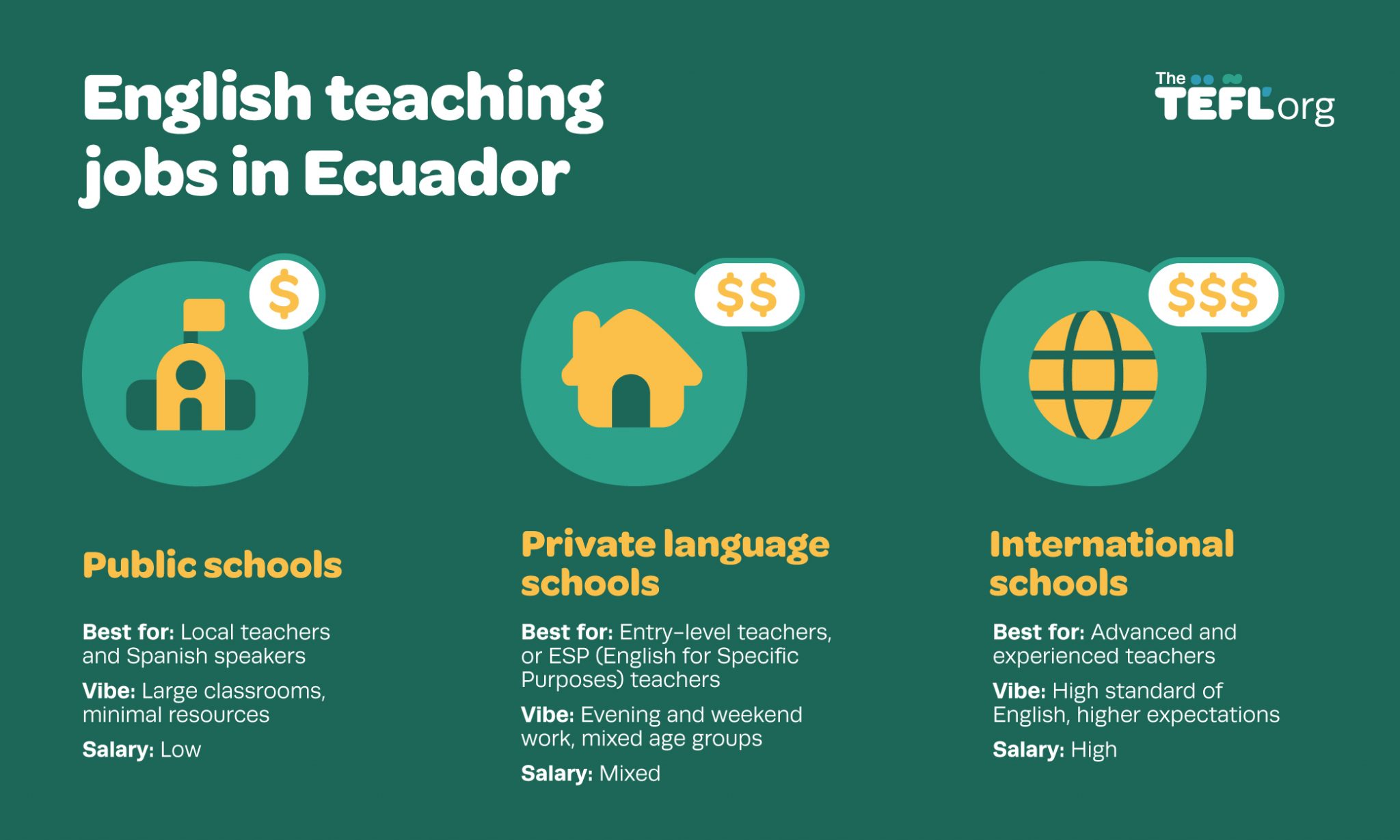
Public schools
Public school teaching jobs are usually reserved for locals, unless you’re fluent in Spanish and have a recognised teaching licence. At public schools, you’ll teach English to large classrooms, and you might need to navigate skill differences within the same classroom.
What to expect at public schools in Ecuador:
- Large class sizes, minimal resources
- Mixed ability classrooms
- Following the national curriculum and school year from September–June/July or April–January

Private language schools
Private language schools are the most common teaching jobs for foreign teachers in Ecuador, because there’s a steady demand for students and entry requirements are more flexible.
Students here usually learn English with a specific goal in mind, rather than just general English. While many positions are open to entry-level teachers, having specialist qualifications like teaching young learners, business English, or exam preparation is beneficial at these language schools.
What to expect at private language schools in Ecuador:
- Year-round hiring and teaching
- Teaching in the evening and on weekends
- Focus on ESP (English for Specific Purposes) subjects
- Students of varying ages, from young learners to adults
International schools
International schools in Ecuador are usually the end-goal for ambitious teachers because they offer the highest salary and benefits, but you need years of experience before you can teach here. At an international school, you’ll usually follow an international, British, or an American curriculum with English as the main language (unless it’s a bilingual school). Students are usually international students from expat families, and high tuition fees mean that expectations are also high.
What to expect at international schools in Ecuador:
- Following national school calendar
- Teaching international students (mostly)
- Teaching English as a main language from an IB, US, or UK curriculum
- High salary and benefits, but high entry requirements
Teaching English in Major Cities
Teachers in Ecuador are spoiled for choice when it comes to choosing a city to work and live in. From the inland mountains to the Pacific coast, here are the best locations for English teachers in Ecuador.
Teach English in Quito
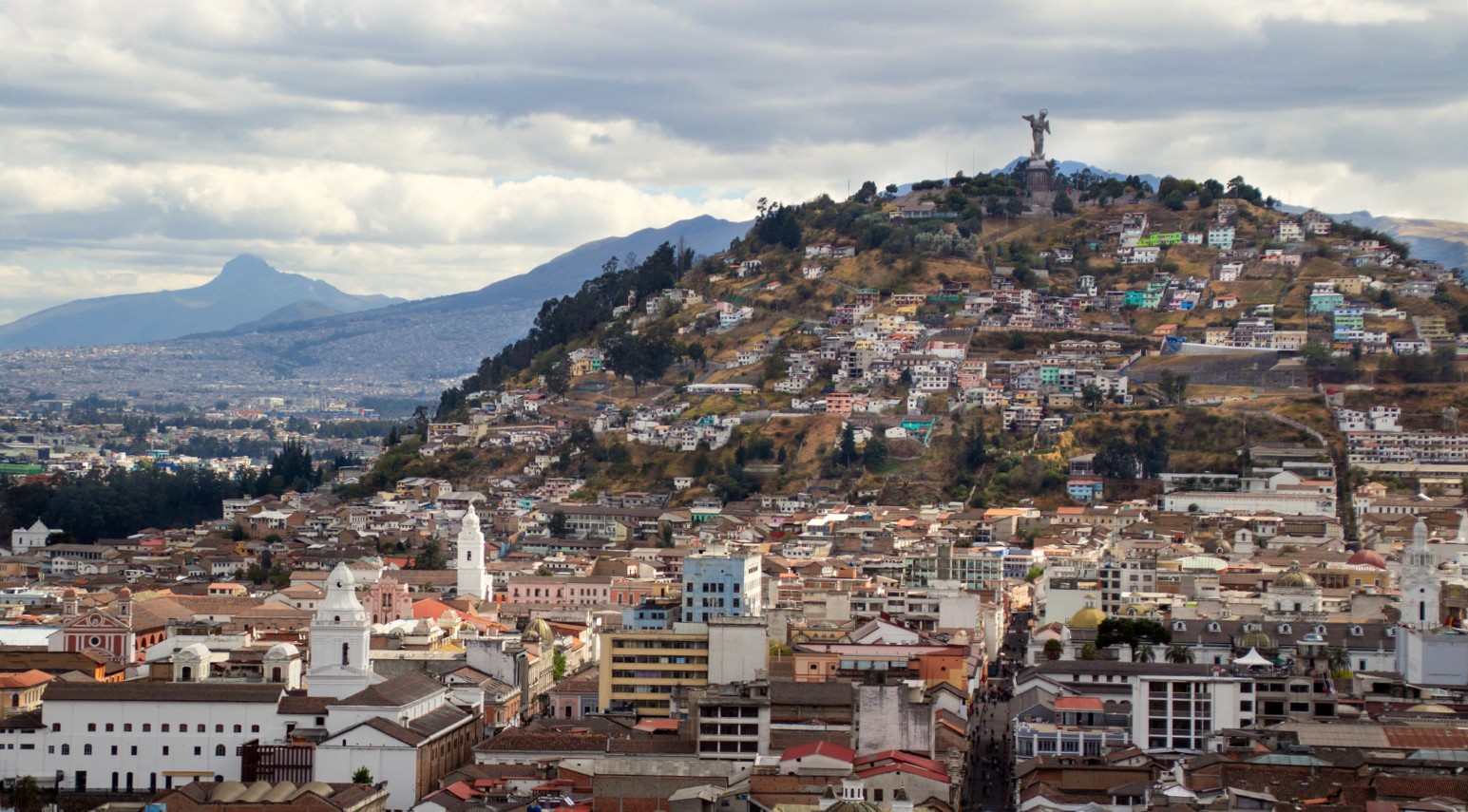
The capital city, Quito, is a great place to start if you’re looking for both teaching opportunities and a fulfilling South American lifestyle. From the Andes to European colonial architecture and indigenous art, Quito has everything you’d want as a teacher in Ecuador.
With a population of around 2.8 million, there are plenty of opportunities to work in public and private schools, or if you want to teach English as a private tutor, there are plenty of university students looking for extra English lessons.
When you’re not teaching, head out for a day of trekking in the Andes or strolling through the colourful neighbourhoods near the old town. If you have more time, Quito is a great base for planning your trip to the Galapagos Islands.
Tip: Quito’s altitude takes some getting used to — give yourself a few days to adjust.
Teach English in Guayaquil

With a similar population to the capital city, Guayaquil is another excellent place to launch your TEFL career in Ecuador. This port city boasts a hotter climate and a coastal breeze compared to Quito’s cooler climate.
As a gateway to the Pacific Ocean, popular beaches and also the Galapagos Islands, there’s plenty of business in the city that relies on English speakers. From public and private schools to teaching tourism workers and business professionals, Guayaquil offers plenty of teaching jobs.Beyond the classroom, take a walk along the riverfront or climb the colourful steps of Cerro Santa Ana to get a panoramic view of the city from the top. If you’re into swimming or sunbathing, you’re just an hour or so away from some of the country’s nicest beaches.
Teach English in Cuenca
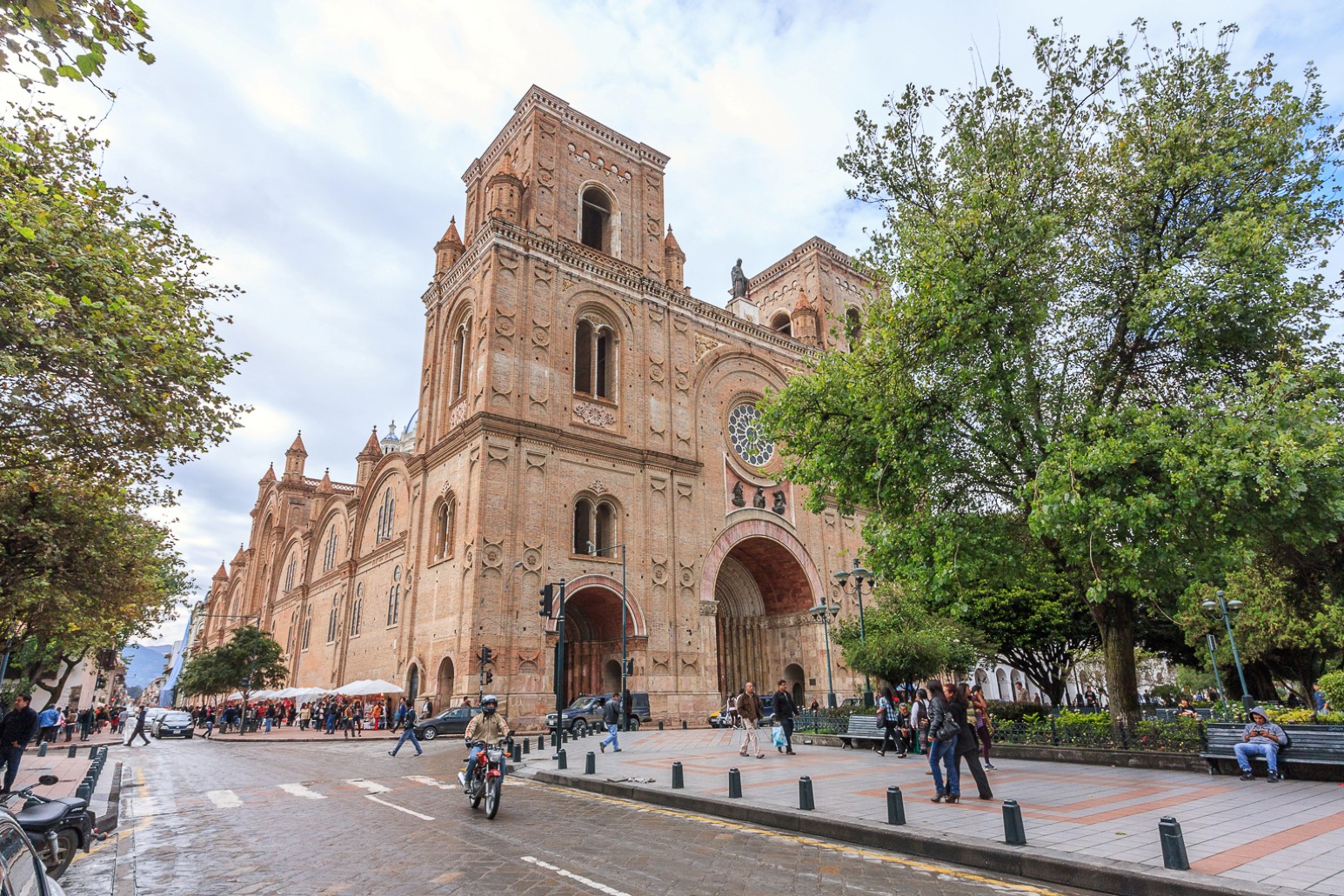
Located further south in Ecuador, Cuenca is another Andean city located around 8,400 feet high. As the third-largest city and the capital of the Azuay province, there’s plenty of work to be had for teachers.
But teaching in Ecuador isn’t all work no play. During your free time, you can visit UNESCO-listed attractions like 16th-century Spanish-colonial architecture or Inca ruins. If you’re looking to up the tempo, go for a hike at the Parque Nacional Cajas — the high-altitude nature reserve that’s packed with rugged mountains, idyllic lakes, and curious alpacas.
Ready to Teach English Abroad? Don’t Forget Your TEFL Certificate
Before you prepare to teach English abroad, you’ll need a TEFL qualification. A TEFL certificate is something that employers will immediately look for on your CV, but beyond that, it’ll also help you develop into a confident teacher in the classroom.
From learning about complex verbs and prepositions to supporting students with learning difficulties, you’ll feel confident in your abilities to teach the English language in foreign countries, whether you want to teach English in Ecuador, elsewhere in South America, or beyond.
Get started today with our 120-hour TEFL course.
Frequently Asked Questions
Q. Do I need to speak Spanish to teach in Ecuador?
It can help if you speak Spanish, but it’s not essential. Most employers want students to experience language immersion by only speaking English in the classroom during lessons.
Q. How much do English teachers make in Ecuador?
English teachers in Ecuador make around $600–$1,000 / £445–£740 per month. It doesn’t seem like much, but the affordable living costs in Ecuador mean you can live comfortably on a very low budget.
Q. Can a foreigner get a job in Ecuador?
Yes, foreigners can get a job in Ecuador. You’ll need a TEFL certificate and usually a bachelor’s degree, and you can enter on the Professional visa, Temporary Residence Work visa, or Digital Nomad visa (Rentista) depending on your current employment and goals in Ecuador.
Q. Where can I find English teaching jobs in Ecuador?
You can find teaching jobs on platforms like The TEFL Org Job Centre or you can even arrive in-country to apply for teaching jobs directly.