








Denmark consistently ranks among the happiest countries in the world thanks to its excellent quality of life and emphasis on hygge – a cosy lifestyle that prioritises wellbeing and a relaxed state of mind. With Viking history, Danish pastries, colourful cities (and Legoland!) there's plenty to enjoy outside the classroom for teachers.
However, Denmark's high level of English proficiency means teaching jobs are competitive - but highly qualified teachers can still find opportunities. Read on for The TEFL Org's guide to teaching English in Denmark, from teaching jobs and requirements, to salaries, top locations, and more.
Key Takeaways
- English speakers are common in Denmark, so the demand for foreign teachers isn't as high as other countries.
- The requirements for teaching English in Denmark are high, including a bachelor's or master's degree, TEFL or teaching licence, and prior teaching experience is highly preferred.
- Denmark offers teaching salaries ranging from 20,000 kr.–33,335 kr. ($3,110–$5,140 / £2,315–£3,845) per month.
- Public school jobs are reserved for local teachers, so foreign teachers will find most teaching opportunities at private schools like language centres or international schools.
- EU teachers don't need a visa, but non-EU teachers need a work and residence permit.
Requirements for Teaching English in Denmark
It can be tough to find a job teaching English in Denmark, especially for non-EU citizens or non-native Danish speakers. Immigration laws are strict, making it difficult for non-EU teachers to find work, as most schools and employers prioritise hiring local Danish teachers or EU citizens. And with a high rate of English speakers, there's plenty of competition from local teachers.
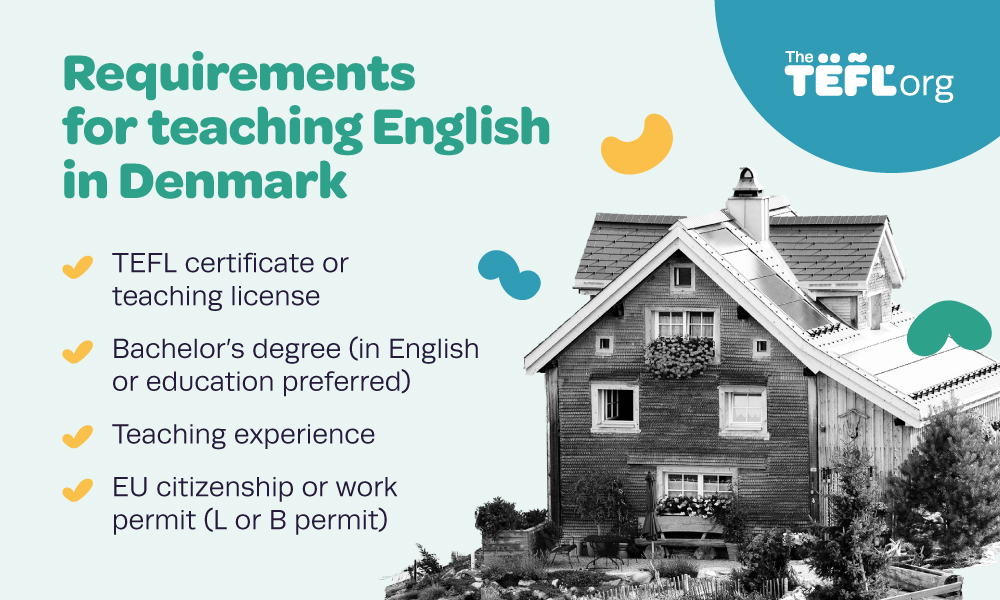
Here are the teaching requirements in Denmark.
Do I need a TEFL certification to teach English in Denmark?
Yes, you need a minimum of a TEFL certificate or a teaching licence to teach English in Denmark. The standard of the Danish education system is excellent, so you'll need to be qualified to find a teaching job in Denmark.
You might need to go beyond the typical industry requirements. Most employers in other countries accept a 120-hour TEFL course, but a Level 5 TEFL course offers greater skill development in the classroom.
If you're already TEFL certified, you can top up your current qualifications with a specialist course like teaching young learners or Business English.
Can I teach English in Denmark without a degree?
No, you can't teach English in Denmark without a degree. Most schools require at least a bachelor's degree or master's degree to teach English. If you're an EU teacher, you could technically engage in private tutoring without a degree, but it's a very competitive market and students seek highly qualified teachers.
You can still teach English without a degree in other countries in Asia, and Latin America.
Do I need teaching experience to teach English in Denmark?
There isn't a technical requirement for English teachers to have experience, but you'll struggle to find a job teaching English without experience in Denmark.
Local teachers are common, so it's hard for employers to justify hiring a foreign teacher that doesn't have experience, especially if you're a non-EU teacher.
Visa requirements for teaching English in Denmark
Denmark is a member of the European Union, so EU teachers don't need a visa or work permit to find a job teaching English here.
But this makes it difficult for non-EU teachers to find teaching English jobs in Denmark. With so many local Danish and EU teachers available, employers are unlikely to sponsor visas for non-EU teachers unless they have exceptional experience.
To teach English in Denmark legally, non-EU teachers need the work permit and residence permit. With these, you can register for a Danish ID and tax card. To qualify, you'll need the following:
- Valid passport
- Proof of employment with a Danish employer
- Proof of academic qualification and teacher training
- Health insurance
Download our Teaching English in Europe Guide
Everything you need to know about teaching English abroad in Europe
Salary and Cost of Living
Teaching salaries in Denmark are high, but that doesn't tell the whole story. How do teaching salaries compare to the cost of living?
How much can you earn teaching English in Denmark?
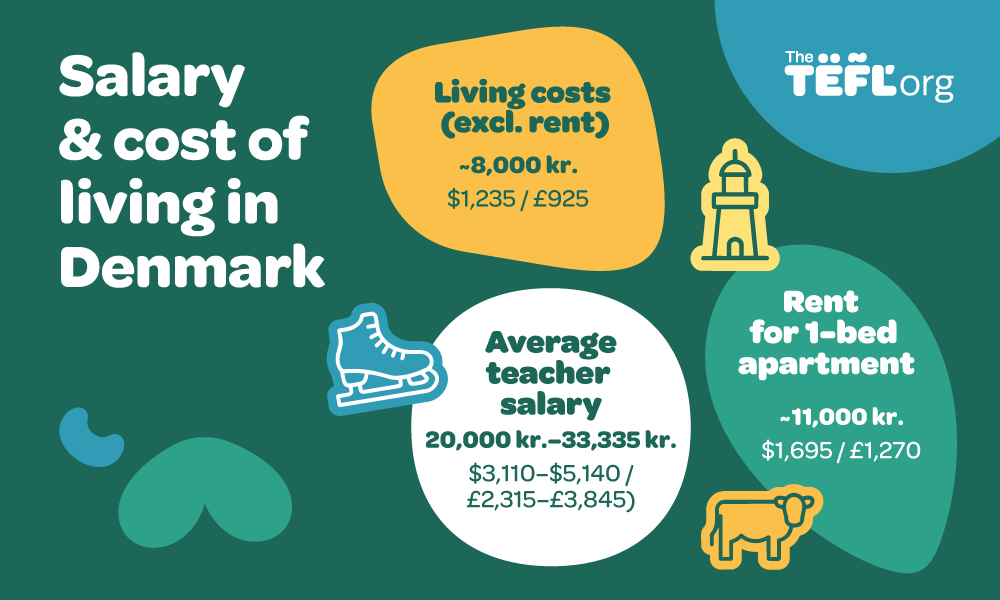
English teachers in Denmark earn around 20,000 kr.–33,335 kr. ($3,110–$5,140 / £2,315–£3,845) per month, but salaries vary depending on your teaching job and experience.
Wages for teachers are set by law in the public sector, with teachers at public schools earning some of the highest salaries. In the private sector, international school teachers earn a very high salary and benefits, whereas private language school teachers usually earn less.
How much does it cost to live in Denmark?
A single person in Denmark spends around ~8,000 kr. ($1,235 / £925) per month excluding rent. Rent for a 1-bed apartment costs around ~6,600 kr. ($1,015 / £760) per month, or around ~11,000 kr. ($1,695 / £1,270) in the capital city, Copenhagen.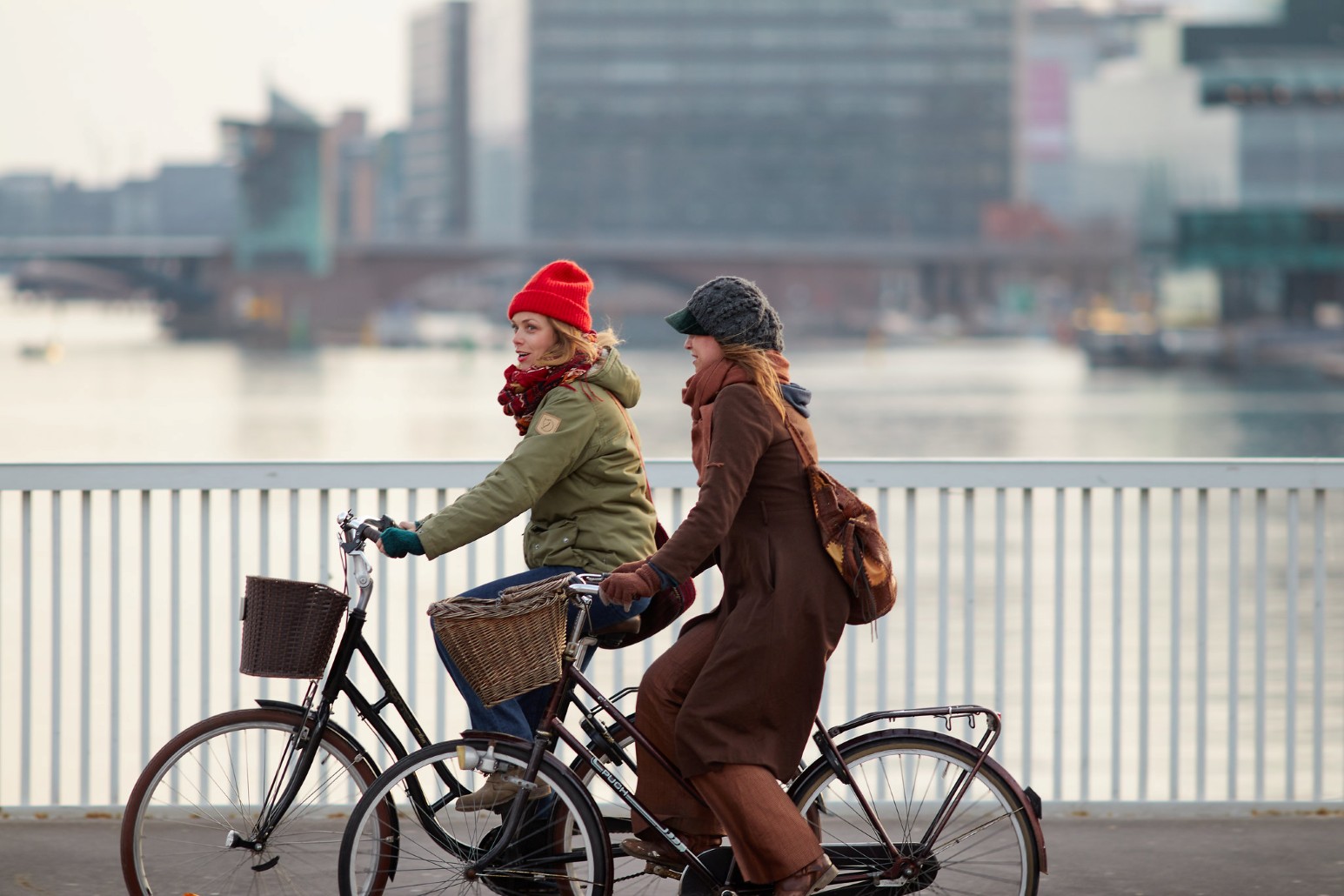
But you can stretch your salary with these mindful budgeting tips:
- Look beyond Copenhagen: While the capital Copenhagen might offer higher salaries, it'll also drain your budget more quickly than other cities. Take into account living costs when searching for a teaching job in Denmark.
- Live outside the city centre: Living outside the city centre can save you up to ~2,000 kr. ($310 / £230) per month.
- Split the rent: A 1-bed apartment costs around ~6,600 kr. ($1,015 / £760), but sharing a 3-bed apartment averages at around ~3,665 kr. ($565 / £420) per person per month.
- Eat local produce: Eating out can be very expensive in Denmark. Instead, shop at local markets and budget supermarkets like Lidl and Rema 1000 for food to cook at home.
- Cycle to work: Denmark is a cycle-friendly country, and this can help you not only stay active but offset commuting costs. Some employers may even incentivise cycling with rewards.
| Restaurants | DKK | USD | GBP |
|---|---|---|---|
| Inexpensive restaurant meal | |||
| Domestic beer (0.5 litre) | |||
| Regular cappuccino | |||
| Water (0.33 litre) | |||
| Markets | DKK | USD | GBP |
| Regular milk (1 litre) | |||
| Loaf of white bread | |||
| Regular eggs (1 dozen) | |||
| Apples (1 kg) | |||
| Transportation | DKK | USD | GBP |
| One-way ticket (local transport) | |||
| Monthly pass (regular price) | |||
| Taxi start (normal tariff) | |||
| Gasoline (1 litre) | |||
| Utilities | DKK | USD | GBP |
| Electricity, heating, cooling, water, and garbage (for a regular apartment) | |||
| Regular prepaid monthly mobile tariff with 10GB+ data | |||
| Internet (60 Mbps, unlimited data, cable/ADSL) | |||
| Clothing and shoes | DKK | USD | GBP |
| Pair of jeans (Levis 501 or something similar) | |||
| Summer dress in a chain store | |||
| Nike running shoes (mid-range) | |||
| Men's leather business shoes |
English Teaching Jobs in Denmark
Most teachers will find teaching positions in the private sector, unless you can speak Danish fluently. Generally, TEFL teachers have most luck at private language schools or international schools.
Popular examples of recruiters or employers for teaching English in Denmark include Cambridge Institute and Arbejdernes Oplysnings Forbund (AOF), whereas teachers often apply directly to schools such as Copenhagen International School (CIS) or European School Copenhagen.
Public schools
Public school teachers in Denmark work around 40 hours per week, half of which is teaching and the other preparing lessons, grading assignments, etc. If you have a non-Danish teaching qualification, you may need to apply to the Danish Agency for Higher Education and request that your qualification be formally recognised.
What to expect at public schools in Denmark:
- Large classroom sizes (compared to private schools)
- High salary and benefits including 6 weeks of paid annual leave
- Requires Danish fluency and a degree in education or a teaching licence
Private language schools
Because of Denmark's high English proficiency, language schools cater to specific goals, whether studying abroad or professional development opportunities. Common subjects at these schools include teaching business English to corporate professionals or academic English to international students.
These teaching jobs are generally more flexible than in public or international school jobs, and they often hire year-round, making them accessible for inexperienced TEFL teachers.
What to expect at private language schools in Denmark:
- Teaching evening classes and on weekends
- Smaller class sizes, mostly focused on adult students
- A TEFL or experience in teaching English for Specific Purposes (ESP) like business English, IELTS preparation is desirable
International schools
With a strong education system and English proficiency, international schools are rare in Denmark, but job opportunities still exist in larger cities such as Copenhagen, Aarhus, or Odense. These schools cater for the children of expats, and teachers follow an international curriculum. These positions are highly sought-after, and you may find that applicant requirements are stricter than for international schools in other countries.
What to expect at international schools in Denmark:
- Smaller class sizes
- Teaching international students from a British, American, or international (IB) curriculum
- Excellent salary and benefits, but the job comes with high expectations
Teaching English in Major Cities
Here's where you'll find the most teaching opportunities alongside an excellent lifestyle teaching English in Denmark.
Teach English in Copenhagen

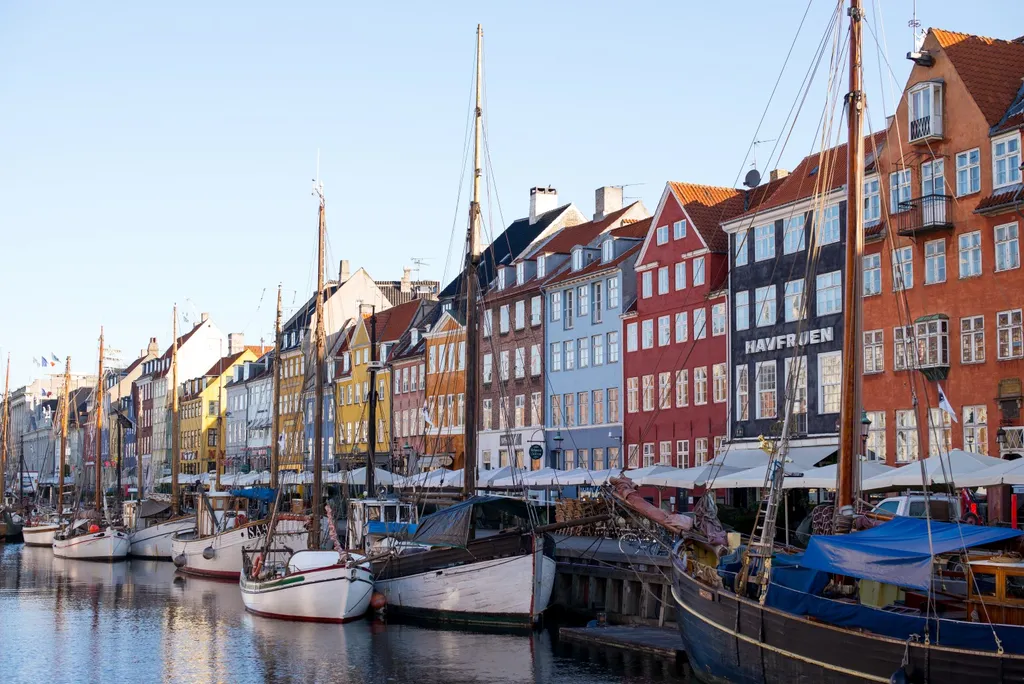
Copenhagen is known for its colourful waterfront buildings, enlightening museums, sustainability, and relics of a distant Viking age. As the capital city, Copenhagen presents the most job opportunities for TEFL teachers in Denmark. Most jobs come in the form of international schools for expat students, or at private language schools that offer corporate training, exam preparation, and business English courses.
When you've clocked out for the day, Copenhagen can satiate your thirst for adventure or downtime. Whether you want to taste Nordic food at Michelin star restaurants, cycle through picturesque neighbourhoods, or kayak along the harbour, there's plenty to do in this varied city.

TEFL Org Teacher Story
Want on the ground insight on teaching in Denmark? Find out what Donna had to say about her experience in this Nordic country.
Donna, Denmark
"What I liked most about living in Denmark was the work – life balance. Nobody in Denmark works long hours and everyone accepts that people may need time off for family requirements, personal appointments…etc They take a very relaxed and healthy approach to work.
Coming from Scotland and growing up seeing my family members go to work despite being really ill with the flu or absolutely choked with the cold, it was refreshing to be in a country where people fully accept that you just can't work well if you are ill and you should take the time off to recover.
Denmark has a very impressive welfare system and employees know their rights, people there do not live in fear that they will lose their jobs if they have had to take some time off work."
Ready to Teach Abroad? Don't Forget Your TEFL Certificate
Before you launch your career teaching abroad, you'll need to be TEFL certified. While a TEFL is listed as a requirement for most job openings abroad, it's also a course that will help you feel confident and proficient in the classroom. From lesson planning to classroom management skills, a TEFL course will teach you about the differences of teaching and teaching English as a foreign language.
Get started today with our 120-hour TEFL course.
Frequently Asked Questions
Q. Are English teachers in demand in Denmark?
English aren't in demand in Denmark like they are in other countries – Danish society offers free education and English is a mandatory subject. However, it's still possible to teach English in Denmark with the right qualifications, especially in the private sector, and EU teachers are preferred over non-EU teachers.
Q. How much do English teachers make in Denmark?
English teachers earn from 20,000 kr.–33,335 kr. ($3,110–$5,140 / £2,315–£3,845) per month depending on the job and their experience. Public school and international school jobs pay very well (but have high entry requirements), whereas private language schools typically pay less but have more flexible entry requirements.
Q. Which country has the highest demand for English teachers?
Generally, Asian countries have a higher demand for English teachers, especially in China, South Korea, and Thailand. However, other European countries like Spain also have a high demand.
Q. Which job is high demand in Denmark?
When it comes to TEFL in Denmark, international school jobs and private language school jobs are the most in demand. Public school jobs are typically reserved for Danish teachers, but there's a demand for ESP (English for Specific Purposes) such as business English.