








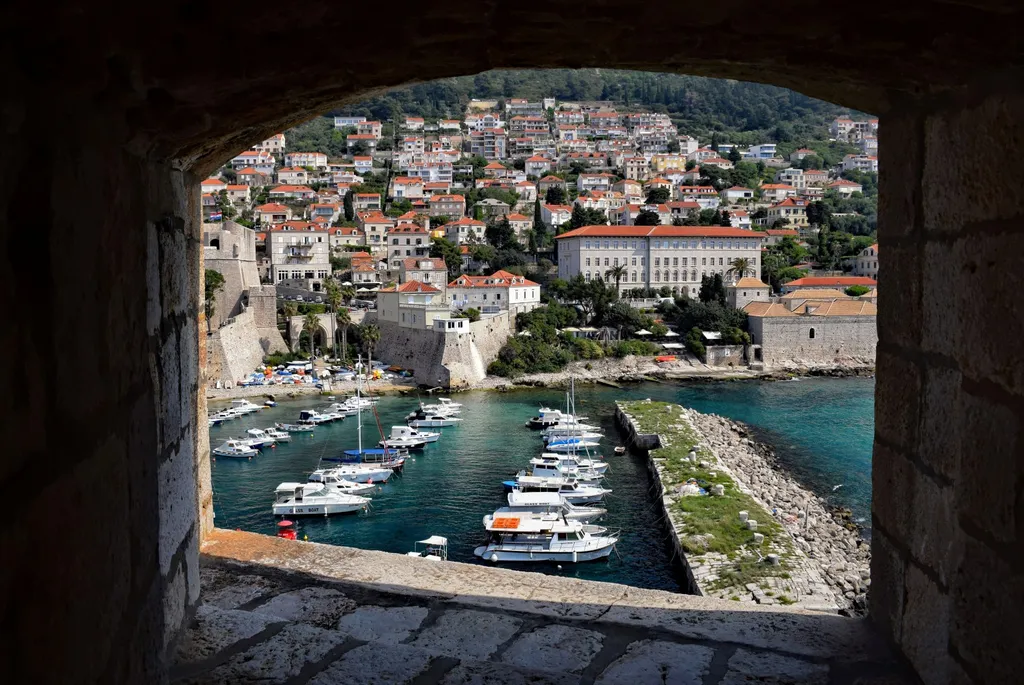
From the Adriatic islands to mediaeval cities, Croatia packs plenty for its size. Since its independence from Yugoslavia in the 90s, Croatia has turned into an international hub for island-hopping, history, and serene national parks.
The growth of tourism and international business has also increased the demand for English skills in the workplace. While English proficiency is high among the younger generation, there are still plenty of jobs for qualified TEFL teachers. Read on for The TEFL Org's guide to teaching English in Croatia, from the requirements and salaries to teaching jobs, visas, and more.
Key Takeaways
- Croatia has a relatively high demand for English teachers, with a surging tourist industry that needs English speaking workers.
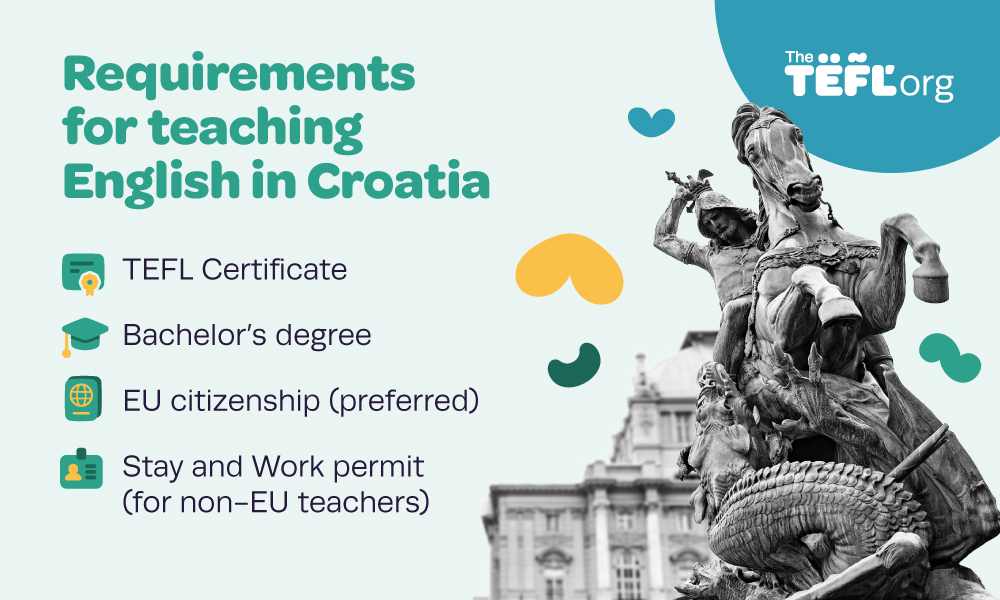
- Teachers typically need a bachelor's degree and a TEFL certificate to teach in Croatia.
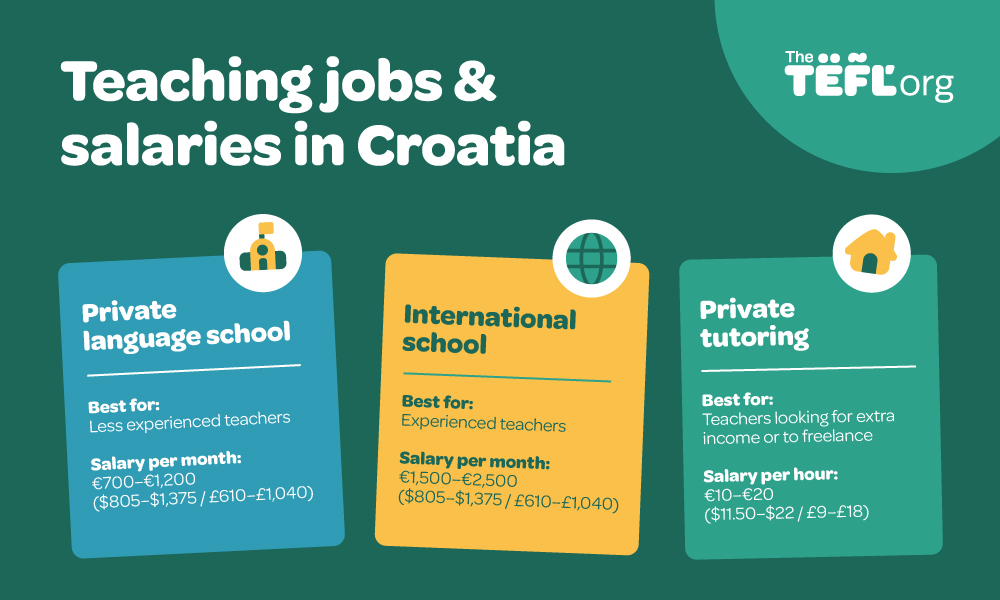
- The average salary for English teachers in Croatia ranges from €700–€1,200 ($805–$1,375 / £610–£1,040) per month depending on the job type.
- Croatia is a member of the European Union, so EU citizens don't need a visa, but non-EU citizens need to enter on a Single Permit.
- Top locations for teaching in Croatia include Zagreb, Split, and the tourist hub Dubrovnik.
Requirements for Teaching English in Croatia
The national curriculum in Croatia puts plenty of emphasis on learning foreign languages, with English being a typical go-to. So it's not as easy as booking your flight and finding a job.
Teaching requirements in Croatia depend on the job, location, and even factors like your nationality. Here's everything you need to know about qualifying to teach English in Croatia.
Do I need a TEFL certificate to teach in Croatia?
It's not a legal requirement, but you need a TEFL certificate if you want to make a career out of teaching in Croatia. The teaching market is competitive, so going without a TEFL certificate puts you at a huge disadvantage.
A 120-hour TEFL certificate is enough for most TEFL jobs, but some teachers go for the Level 5 TEFL course because it goes more in-depth into teaching methods. Or, top up your existing TEFL skills with an advanced course to improve your knowledge and employability in niche areas.Tip: Many workers study Business English because their companies deal in EU and global markets, where English skills are essential.
Can I teach English in Croatia without a degree?
You generally need a bachelor's degree (in any subject) to teach English in Croatia. It might be easier to teach abroad without a degree if you're an EU teacher with a TEFL certificate, but non-EU teachers need a degree for the work visa.
Prestigious schools like international schools and universities might require a master's degree from applicants, especially in bigger cities like Zagreb and Dubrovnik.
Do I need teaching experience to teach in Croatia?
You can teach English without experience in Croatia, just as long as you show employers that you're classroom ready with a TEFL course. While it might limit your job search or salary potential, there are plenty of job opportunities for entry-level teachers at private language schools.
Visa requirements for teaching English in Croatia
Croatia is a member of the European Union, so EU teachers don't need a visa to relocate and work here. But non-EU teachers need to get a visa and work permit to teach in Croatia legally.
If you're from a non-EU country, you'll need to get the Stay and Work Permit also known as a Single Permit. First, you'll need to secure a job in Croatia first so your employer can sponsor and submit your application at a police administration.
Or, you might be requested to submit the application yourself at a local Croatian embassy. You'll need to provide the following to meet the requirements:
- Completed application Form 1a
- Valid passport
- Proof of contract with Croatian employer
- Clear criminal record check
- Proof of health insurance
- Academic and professional qualifications
Download our Teaching English in Europe Guide
Everything you need to know about teaching English abroad in Europe

Salary and Cost of Living
Gone are the days where Croatia was considered a budget-travel destination, but it's still affordable compared to other European countries. How much you can earn or save depends heavily on your location, lifestyle, teaching experience, and so on.
Here's what you need to know about the teacher salary and cost of living in Croatia.
How much can you earn teaching English in Croatia?
The average salary for English teachers in Croatia ranges from €700–€1,200 ($805–$1,375 / £610–£1,040) per month, but this depends on many factors like your experience level and location.
- Experience & qualifications: Having teaching experience and qualifications like a TEFL or teaching licence paves the way for higher salaries, and specialising in a niche subject like business English or exam preparation can increase your earnings.
- Teaching jobs: While public and private language schools can offer a decent salary, international schools typically pay the highest salaries for TEFL teachers in Croatia.
- Location: Generally, teaching jobs in the capital, Zagreb, and other hubs like Split and Dubrovnik pay higher salaries because there's a higher demand for teachers.
How much does it cost to live in Croatia?
While the teaching salary isn't as high as other European countries, Croatia has relatively low living costs depending on the city. The average person spends around ~€700 ($805 / £610) per month (excluding rent) to get by, and rent for a 1-bed apartment costs around ~€490–€635 ($560–$730 / £420–£550) depending on the city.
Croatia is around 25% more affordable than the UK or US, but tourist spots such as Dubrovnik, Split, or Hvar can be expensive. So, when combining these factors, the saving potential isn't that high for teacher salaries.
Stretch your teaching salary in Croatia using these thrifty tips:
- Go beyond Dubrovnik: When people think of Croatia, they may immediately think of Dubrovnik or Split, but don't rule out cities like Zagreb, Rijeka, or Osijek where it's more affordable and the market is less competitive.
- Live like a local: Living outside the city centre can save you up to €200 ($230 / £175) per month, and you don't need to rush to see the top attractions if you're living there rather than visiting briefly.
- Split the rent: Sharing an apartment is a great way to save money and make friends. A 1-bed apartment costs around ~€600 ($690 / £520) in Zagreb, but a 3-bed apartment costs around ~€430 ($495 / £375) per person, per month – the rest can go towards weekend trips or your savings.
- Use public transport: One-way bus tickets can cost as little as €0.50, and monthly transport passes cost around €47 ($54 / £40) to help you navigate the city seamlessly.
| Restaurants | EUR | USD | GBP |
|---|---|---|---|
| Inexpensive restaurant meal | |||
| Domestic beer (0.5 litre) | |||
| Regular cappuccino | |||
| Water (0.33 litre) | |||
| Markets | EUR | USD | GBP |
| Regular milk (1 litre) | |||
| Loaf of white bread | |||
| Regular eggs (1 dozen) | |||
| Apples (1 kg) | |||
| Transportation | EUR | USD | GBP |
| One-way ticket (local transport) | |||
| Monthly pass (regular price) | |||
| Taxi start (normal tariff) | |||
| Gasoline (1 litre) | |||
| Utilities | EUR | USD | GBP |
| Electricity, heating, cooling, water, and garbage (for a regular apartment) | |||
| Regular prepaid monthly mobile tariff with 10GB+ data | |||
| Internet (60 Mbps, unlimited data, cable/ADSL) | |||
| Clothing and shoes | EUR | USD | GBP |
| Pair of jeans (Levis 501 or something similar) | |||
| Summer dress in a chain store | |||
| Nike running shoes (mid-range) | |||
| Men's leather business shoes |
English Teaching Jobs in Croatia
Croatian schools start teaching students a second language (often English) in the first grade at the age of 6–7. But public school jobs are rare for TEFL teachers because the requirements include Croatian fluency and experience teaching subjects aside from English.
So, the majority of jobs come in the private sector, and while the academic year runs from around September–June, private language schools typically hire year round.

Private language schools
Private language schools are the most flexible and entry-friendly roles for TEFL teachers in Croatia. These schools hire year-round and teachers only need a TEFL or a bachelor's degree in any subject. You might teach general English to young learners, IELTS exam preparation to teenagers, or business English to professionals – it depends on the unique school and course.
What to expect at private language schools in Croatia:
- Evening and weekend classes
- A wide range of student ages and subjects
- More flexible hiring requirements
International schools
International schools cater to international students of expat families and also local students who want the highest level of education from an international curriculum. With high tuition fees, teaching expectations are high from the school and the students' parents. The academic year runs from September–June, with peak hiring season between January–April. Teachers need a degree, teaching licence, and previous teaching experience.
What to expect at international schools in Croatia:
- Small class sizes of mainly international students
- Teaching from an international curriculum (US, UK, or IB)
- Excellent classroom facilities
- High salary and benefits, but high requirements
Private tutoring
Many students and workers have a specific goal in mind, seeking private tutors to improve their conversational English, exam preparation, tourism or business English skills. Teachers can charge around €10–€20 ($11.50–$22 / £9–£18) or more if you have specialist skills.
EU teachers will find it easier to engage in private tutoring, as it won't violate the terms of their work permit. Non-EU teachers are tied to their employers with their work permit, so they'll need to review their contract and ensure that private tutoring doesn't breach the terms.
What to expect as a private tutor in Croatia:
- Finding your own students through networking or marketing
- Setting your own hourly rates
- Flexible teaching schedule, but unstable schedule
Teaching English in Major Cities
Croatia is full of enticing locations for teachers, and here's where you'll find the best teaching opportunities.
Teach English in Zagreb
As the capital with a population of around ~800,000, Zagreb is an obvious choice for teaching English in Croatia. With a history that dates back to Roman times, Zagreb is modern, diverse, and the business hub of Croatia.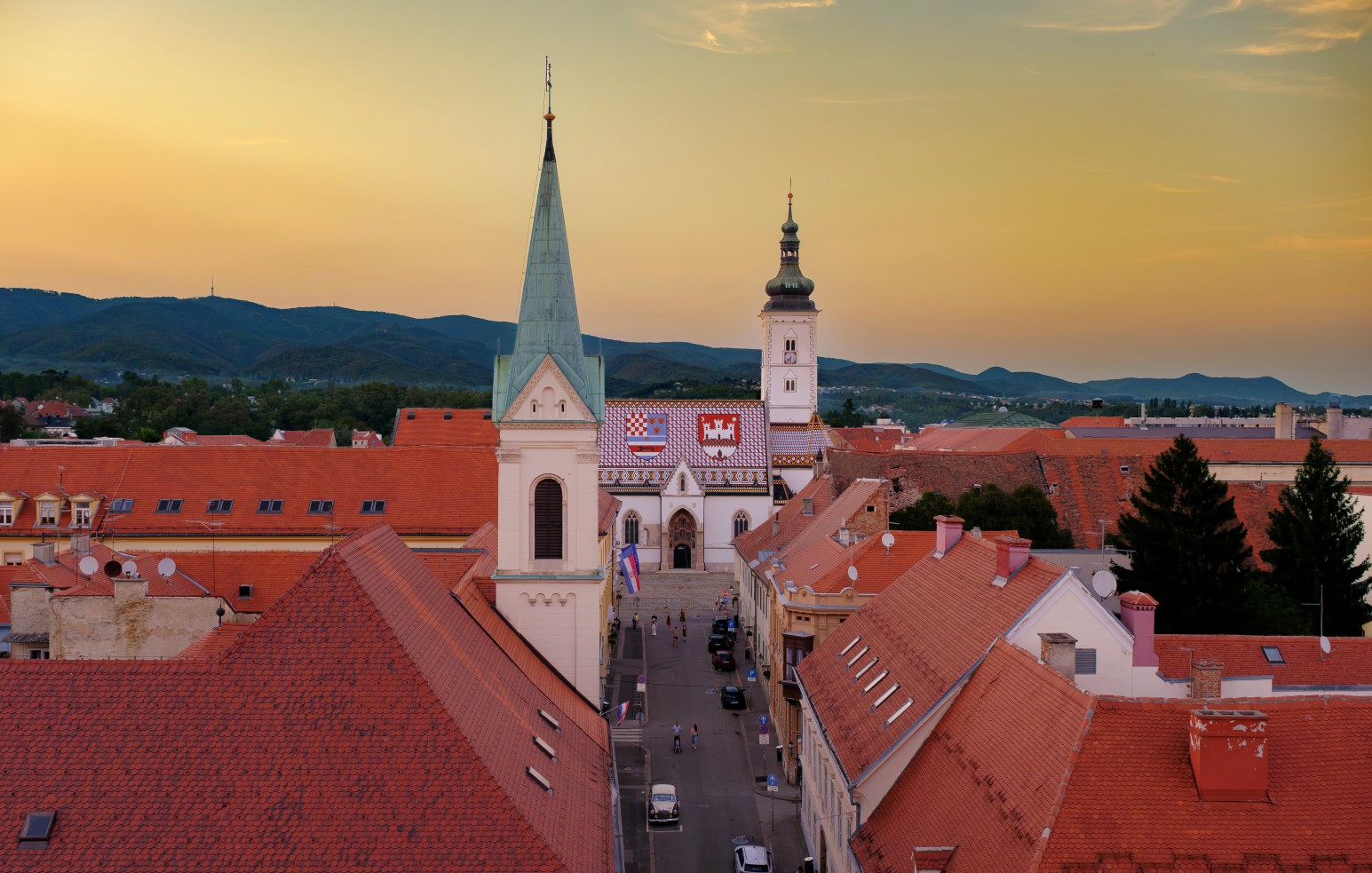
You'll find most of the country's teaching jobs in Zagreb, with plenty of British and American international schools, private language centres, and eager students looking for private tutors.
Beyond teaching, wander down Tkalčićeva Street for a litany of bars and restaurants, seek out comedic, colourful, and political street art, or head to the Gothic presence of Zagreb Cathedral. After, you can head off to Maksimir Park or Zrinjevac which bring nature to the city centre.
Teach English in Split
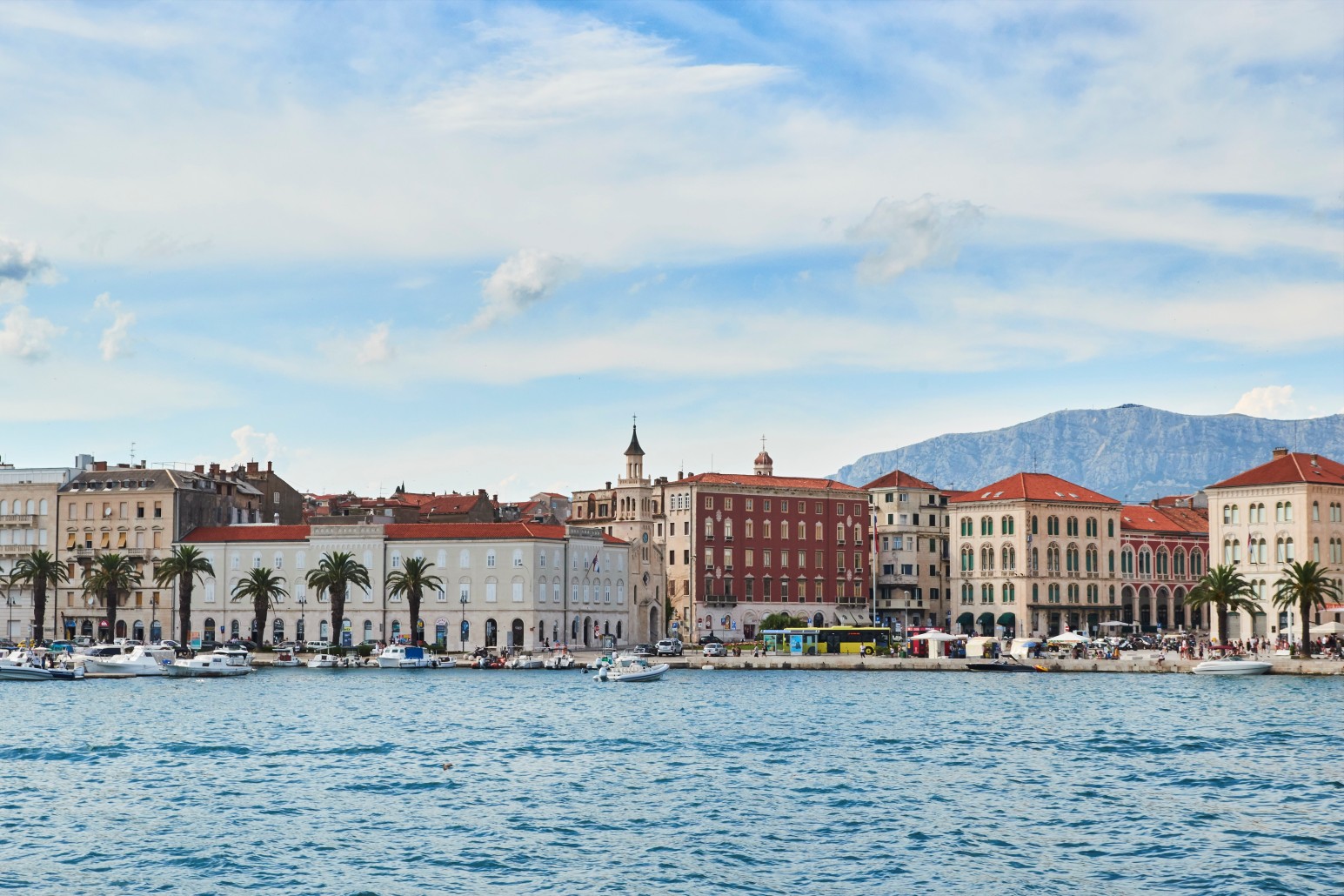
While many will have their eyes set on Dubrovnik for its medieval waterfront and marble-esque streets that inspired Game of Thrones' King's Landing, Split offers similar qualities and even better teaching opportunities.
Split has a population of around 140,000, making it the second largest city in Croatia.
Located on the Dalmatian coast, Split's idyllic spots can be found in the UNESCO-listed old town, Riva waterfront, or the marvellous Diocletian's Palace. If you want a city break, head to Krka National Park for its picturesque waterfalls and swimming spots which is only an hour away by car.
Ready to Teach English in Croatia? Don't Forget Your TEFL Certificate
Before you start looking for a job teaching English, don't forget your TEFL certification! Although many employers list a TEFL as a requirement, it's so much more than a technical formality. With a TEFL course, you'll become the best version of yourself in the classroom, learning to manage classrooms effectively, plan engaging lessons, and overcome common obstacles that non-native speakers face.
Get started today with our internationally accredited 120 hour TEFL Course!
Frequently Asked Questions
Q. Are English teachers in demand in Croatia?
Yes, English teachers are in demand in Croatia. Not only do many schools teach English from the age of 7, but English is one of the most popular languages in the country and a growing tourist sector is only increasing the demand for English workers.
Q. Is English taught in Croatia?
Yes, English is taught at primary schools in Croatia. Students also learn English at private schools such as language centres or international schools, or they may hire a private tutor.
Q. Can you make a living teaching English in Europe?
Yes, you can make a living teaching English in Europe. While the saving potential may not be as high as teaching English in Asia, you can teach English and live a comfortable lifestyle with a TEFL certificate and bachelor's degree in many European countries.
Q. Can I teach English in Croatia as a non-native English speaker?
Yes, you can teach English in Croatia as a non-native English speaker. For most positions, you'll need a TEFL qualification, a bachelor's degree, and proof of your English proficiency. If you have EU citizenship, you'll have an easier time finding teaching jobs in Croatia.